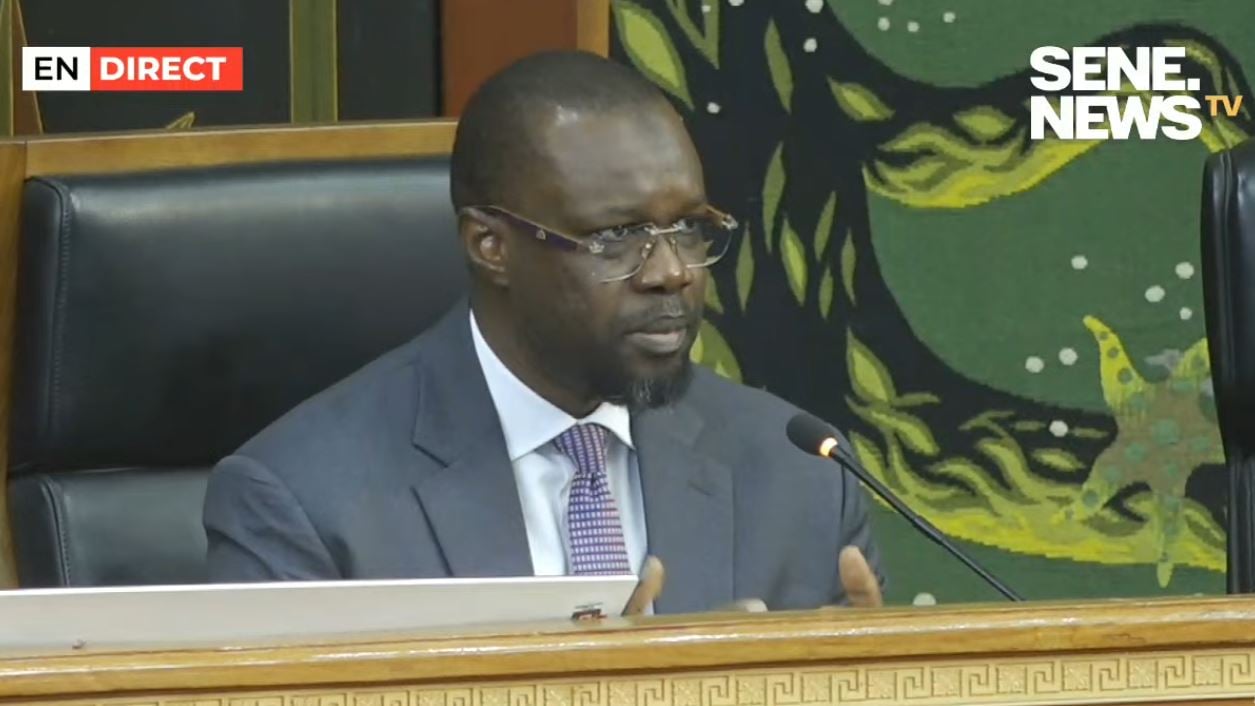
Tensions are escalating in Senegal’s political landscape as the Front pour la Défense de la Démocratie et de la République (FDR) intensifies its call for the exclusion of Prime Minister Ousmane Sonko from the National Assembly. The coalition argues that his continued presence in the legislature violates established legal and constitutional norms, sparking a fresh wave of debate.
In a sharply worded statement released on June 3, 2026, the FDR declared Ousmane Sonko’s position in the Assembly ‘illegal and illegitimate.’ The coalition contends that the current legal framework prohibits an individual from simultaneously holding a ministerial post and a parliamentary seat without resigning from the government within eight days—a condition they claim Sonko has not met.
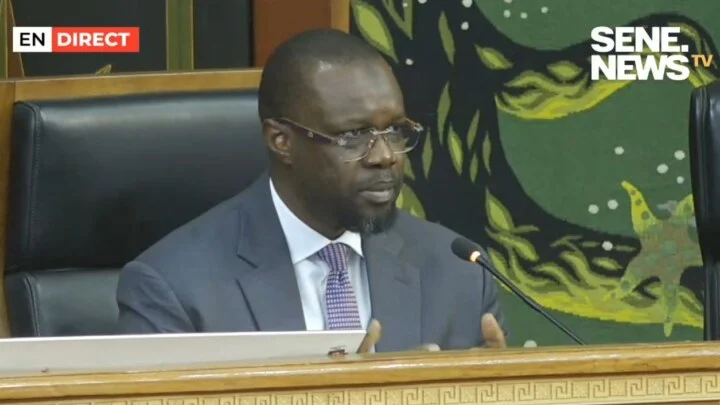
Opposition unites against parliamentary breach
The FDR’s demands have galvanized opposition forces, with multiple political parties and movements rallying behind the initiative. The coalition has hailed the move as a necessary defense against what it describes as a ‘parliamentary coup,’ while opposition lawmakers have escalated the matter by petitioning the Constitutional Council to intervene.
Central to the dispute is the interpretation of Article LO172 of the Electoral Code, which explicitly states that a minister elected as a deputy must relinquish their parliamentary mandate if they fail to resign from their ministerial position within eight days. The FDR argues that recent amendments to the Assembly’s internal regulations cannot override constitutional and statutory provisions, rendering Sonko’s return to the legislature null and void.
The coalition has gone further, labeling the procedural maneuvers that facilitated Sonko’s reinstatement as a direct violation of Senegal’s Constitution, the Electoral Code, and the Assembly’s own rules. In response, the FDR has called for the immediate annulment of what it terms ‘the illegal act’ and the removal of the Prime Minister from the Assembly.
Beyond legal arguments, the FDR has urged civil society, activists, and citizens to rally in defense of the Republic’s constitutional order, laws, and institutions. The escalating political confrontation underscores the deepening divisions over governance and the rule of law in Senegal.
Legal and political fallout intensifies
The controversy surrounding Ousmane Sonko’s parliamentary status shows no signs of abating, with legal experts and political observers closely monitoring developments. The dispute has reignited discussions about the balance of power between the executive and legislative branches, as well as the integrity of Senegal’s democratic institutions. As the political class grapples with these challenges, the nation watches to see how the crisis will unfold and what it may mean for the future of governance in Senegal.