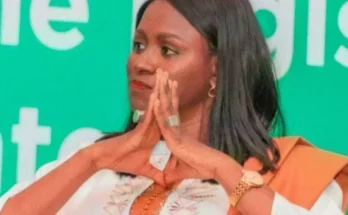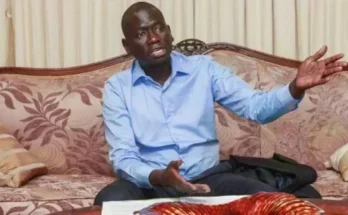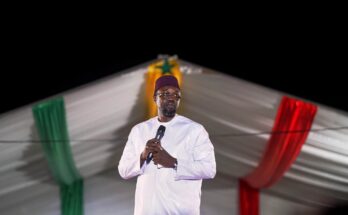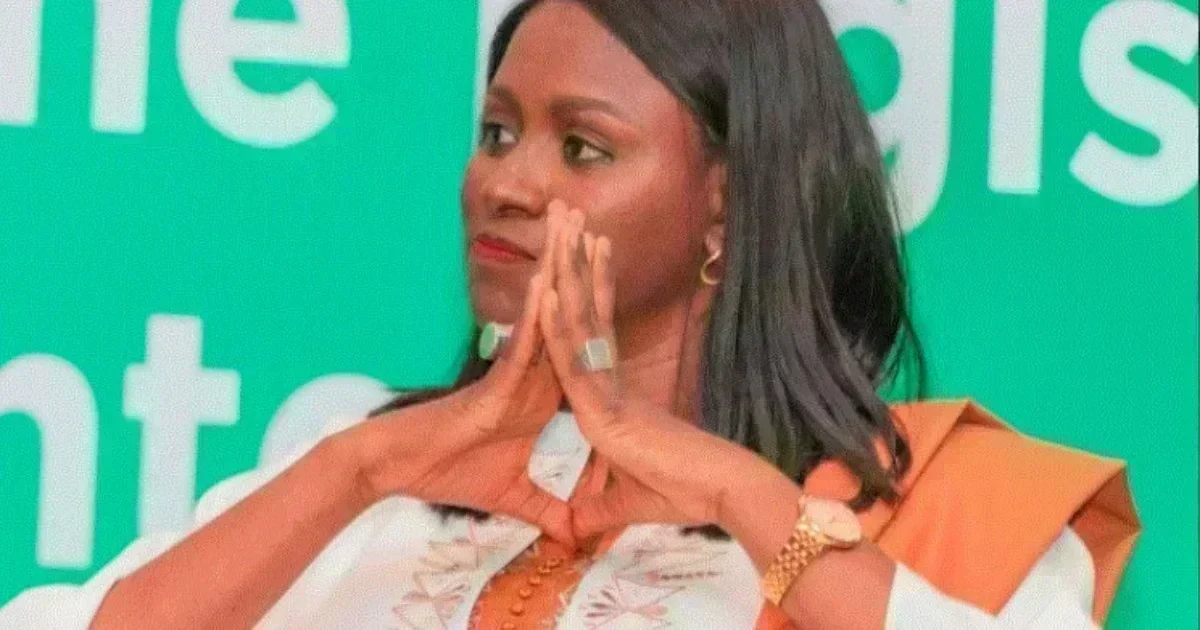
The newly appointed head of Senegal’s Council of Shipowners (COSEC), Ndeye Rokhaya Thiam, has publicly reaffirmed her unwavering loyalty to opposition leader Ousmane Sonko, a move that has intensified discussions in the nation’s volatile political climate.
Since assuming her role at the COSEC in May 2024, replacing former director Abdoulaye Diop, Thiam has found herself at the center of national debates—not just for her professional leadership but for her personal political stance. In a recent social media post, she shared a piece of advice given to her before her appointment, revealing a calculated strategy to remain steadfast in her support for Sonko no matter how the political landscape shifts.
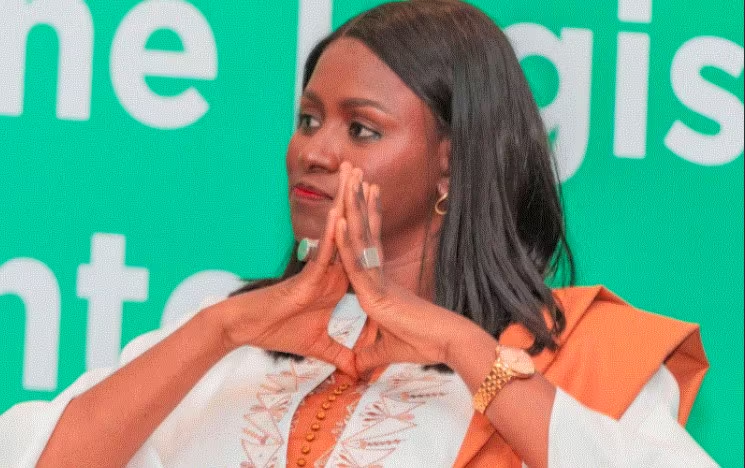
From professional appointment to political declaration
Thiam’s endorsement of Sonko comes amid escalating tensions between the opposition figure and President Bassirou Diomaye Faye, creating a charged environment where institutional leaders are increasingly scrutinized for their allegiances. Her statement—”The political landscape is unpredictable. Divisions may arise, but when they do, ensure you stand as Ousmane’s most loyal ally. He will always turn to you when needed”—has drawn both support and criticism across the country.
She concluded her message with a pointed remark: “Dear brother, you’ll know who you are. And yes, Ousmane will see me.” This bold declaration has fueled further debate about the intersection of public service and political loyalty in Senegal’s evolving democracy.
Why this loyalty matters in Senegal’s current climate
The COSEC leader’s public stance highlights a growing trend among Senegalese officials to openly align with political factions, even as the nation navigates a period of significant constitutional and institutional transformation. With Sonko’s influence remaining a defining factor in the country’s political future, Thiam’s decision underscores the high stakes of personal conviction in the face of institutional responsibility.
As Senegal continues to witness shifts in its political alliances, the question remains: How will the balance of power evolve, and what role will leaders like Thiam play in shaping the nation’s next chapter?