
In the ever-shifting landscape of Senegalese politics, a new dynamic is unfolding as President Bassirou Diomaye Faye navigates his leadership under the towering influence of Prime Minister Ousmane Sonko. The relationship between these two key figures is shaping the nation’s future trajectory, blending ambition with calculated risk.
the political chessboard: sonko’s enduring shadow
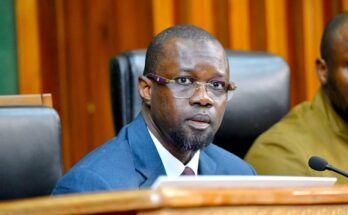
Ousmane Sonko, a charismatic and polarizing figure, remains a central player in Senegal’s political arena. His shadow looms large over the administration, even as Diomaye Faye steps into the presidency. This power dynamic raises critical questions about governance, influence, and the balance of authority in the West African nation.
Sonko’s Pastef party, which has reshaped Senegal’s political narrative, continues to command significant support. His policies and rhetoric resonate deeply with a substantial portion of the electorate, making him a force to be reckoned with. Yet, his proximity to power also invites scrutiny over the extent of his control behind the scenes.
diomaye faye’s balancing act
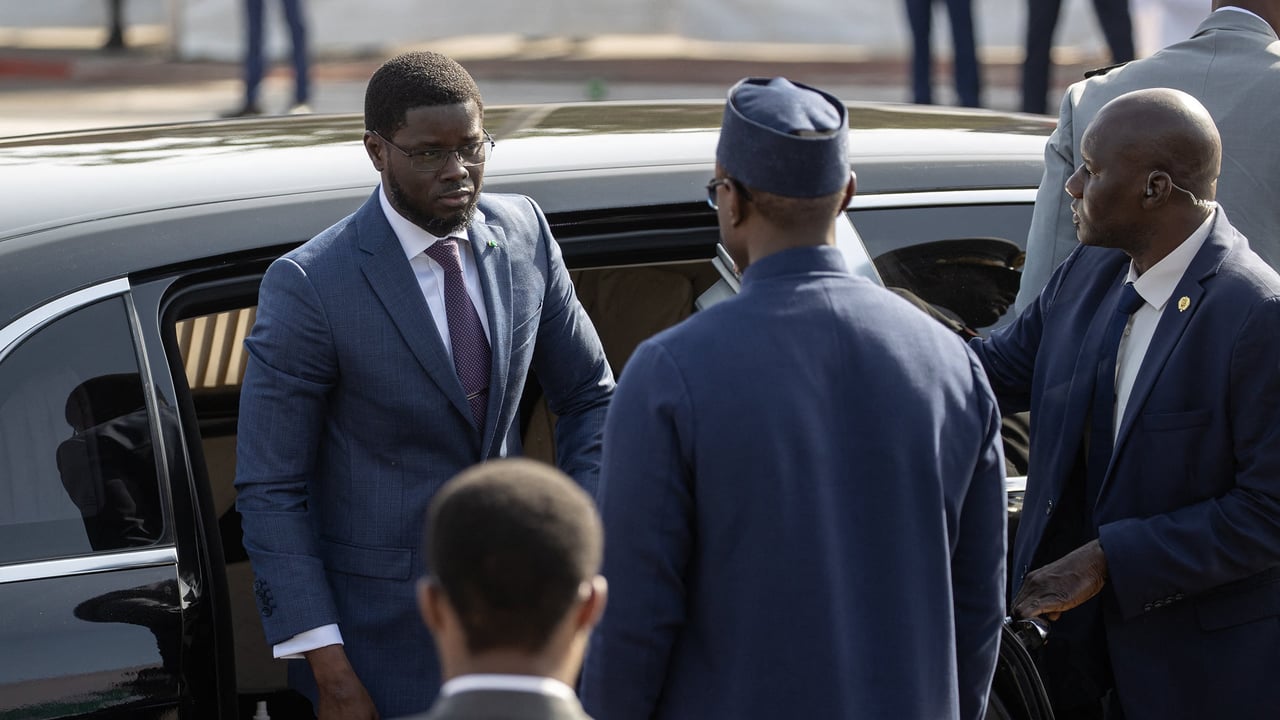
Bassirou Diomaye Faye, often seen as a more moderate voice within the Pastef movement, faces the daunting task of asserting his own vision while managing Sonko’s expectations. His presidency marks a pivotal moment for Senegal, as he seeks to carve out an identity distinct from his predecessor’s shadow.
The challenges are multifaceted. Faye must address pressing socio-economic issues, from unemployment to infrastructure development, while navigating the complexities of a coalition government. His decisions today will determine whether he can solidify his leadership or remain overshadowed by Sonko’s legacy.
public perception and political risks
The Senegalese public is divided on the relationship between Faye and Sonko. Some view it as a necessary partnership that ensures stability and continuity, while others see it as a potential threat to democratic governance. The media’s portrayal of this dynamic further fuels the debate, with opinions varying widely across platforms.
Critics argue that Faye’s emancipation from Sonko’s influence is essential for true progress. They point to historical precedents where strong second-in-command figures have overshadowed presidents, leading to instability. Supporters, however, emphasize the need for unity within the Pastef movement to achieve long-term goals.
the road ahead: opportunities and challenges
As Senegal moves forward, the interplay between Faye and Sonko will be a defining factor in the country’s political landscape. Faye’s ability to assert his authority while maintaining Sonko’s support will be tested in the coming months. Key decisions on policy, governance, and international relations will shape not only his presidency but the future of Senegal itself.
For observers and citizens alike, the stakes could not be higher. The balance of power between Faye and Sonko will determine whether Senegal can achieve its aspirations for democracy, development, and prosperity—or whether it will remain trapped in the shadow of its most influential leaders.