
Decoding the debate over presidential term limits in Senegal
The question of Senegal’s presidential term limits has resurfaced in public discourse, sparking debate and speculation. At the heart of the discussion is the legal framework governing the duration of the president’s mandate, a topic that has drawn attention from political analysts and citizens alike.
Understanding the origins of this conversation requires examining the constitutional provisions that have shaped Senegal’s political landscape. Since gaining independence, the country has undergone several constitutional revisions, each altering the balance of power and the rules governing presidential terms.
In recent years, the debate has intensified, with some political factions advocating for adjustments to the existing framework. This has led to questions about the motivations behind such proposals and their potential implications for the nation’s democratic future.
Historical context of Senegal’s presidential mandates
Senegal’s constitutional history reflects a dynamic interplay between political ambition and public demand for stability. The 2001 constitution, for instance, introduced significant changes, including the reduction of the presidential term from seven to five years. This shift was widely seen as a response to calls for greater accountability and a more responsive government.
However, the debate over term limits is not new. It has evolved alongside the country’s political climate, with each administration bringing its own perspective on governance and leadership. The current discussions echo past controversies, particularly those surrounding the tenure of former President Macky Sall, whose decisions regarding term limits drew both praise and criticism.
Key figures and political movements shaping the discourse
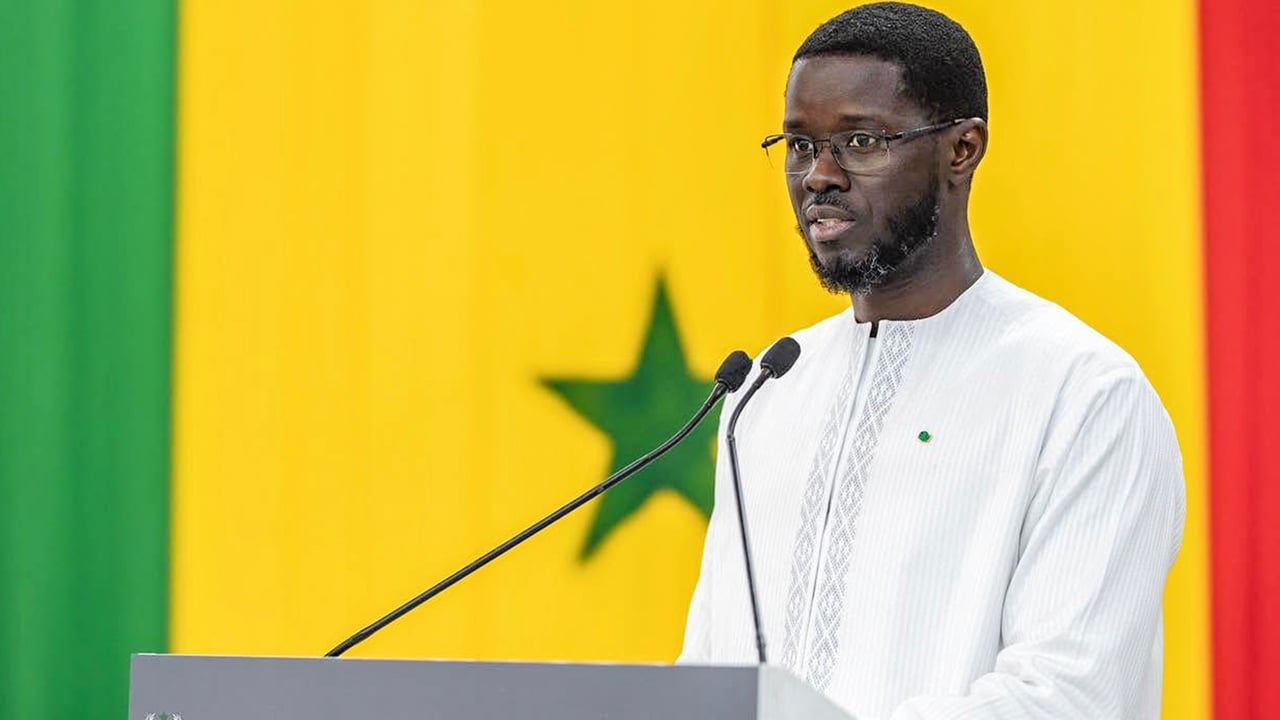
The debate over presidential term limits in Senegal is not confined to legal texts; it is also a reflection of the country’s vibrant political landscape. Central to this conversation is President Bassirou Diomaye Faye, whose rise to power has brought renewed focus to the issue.
Allied with the Kiiraay – Les Patriotes républicains movement, Faye’s administration has positioned itself as a champion of constitutional reform. Supporters argue that such changes are necessary to modernize Senegal’s governance structures, while critics warn of the risks of destabilization and the erosion of democratic norms.
This divide highlights the broader tensions within Senegalese society, where questions of leadership, accountability, and national identity are deeply intertwined.
What’s next for Senegal’s presidential term limits?
As Senegal navigates this critical juncture, the path forward remains uncertain. The government’s stance on term limits will undoubtedly influence the country’s political trajectory, with potential consequences for its democratic institutions and international standing.
For now, the debate continues, driven by a mix of legal, political, and social factors. Whether these discussions lead to substantive changes or remain confined to rhetoric will depend on the evolving dynamics of Senegal’s political arena.
Comments are closed, but trackbacks and pingbacks are open.