Dakar’s tense standstill as unions push for accountability
Dakar, October 2026 — Senegal faces a decisive moment as labor unions launch a 72-hour nationwide strike from October 21 to 23, putting pressure on the government to fulfill long-overdue commitments. The walkout, backed by multiple unions including the influential G7 coalition and the Front syndical pour la défense des travailleurs (FSDT), targets systemic delays in wage payments, unmet social agreements, and deteriorating work conditions. With authorities warning of legal repercussions while urging dialogue, the strike tests the state’s ability to balance financial constraints with public accountability.
Broken promises fuel the walkout
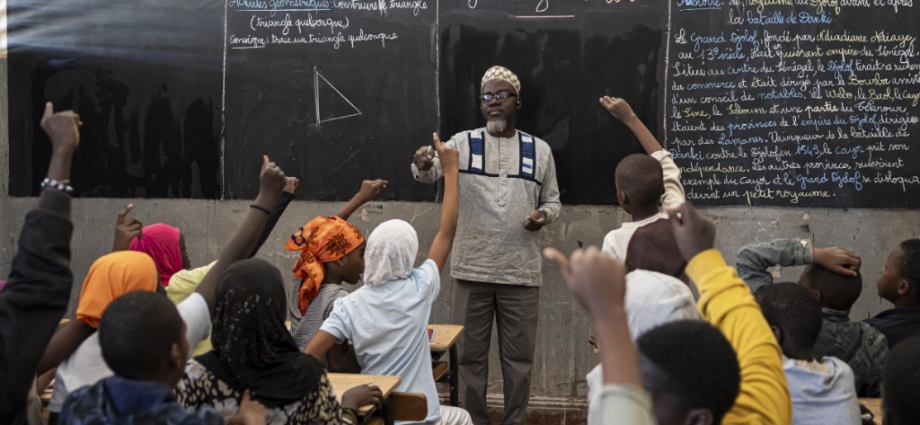
At the heart of the dispute lies a pattern of unfulfilled pledges. The G7 coalition, representing seven major education unions, escalated the action after the government delayed implementing a key agreement signed on April 16, 2026. Teachers are owed back pay, administrative regularizations remain pending, and promised training programs have stalled. The union warns that without immediate action, the 2026-2027 academic year—already delayed by October floods—could face further disruption.
For contract teachers, the crisis is especially acute. Salaries are overdue, new funding streams have dried up, and promised stipends for trainees have not materialized. The G7 insists these issues must be resolved before normalcy returns to schools, where students already missed critical instruction time.
The FSDT, representing broader worker demands, amplifies the pressures by targeting multiple sectors. Their focus extends beyond education to encompass workplace safety, employment stability, and social protections. Should the strike expand, essential services and private enterprise could grind to a halt, raising alarms about the country’s economic resilience ahead of upcoming international events.
Government responds with carrot and stick
State officials have adopted a two-pronged strategy. Premier Ahmadou Al Aminou Lo convened a tripartite meeting on October 15, reiterating the government’s commitment to dialogue and requesting a three-month moratorium on strikes to facilitate negotiations. Yet behind the diplomatic overtures lies a stern warning: the Ministry of Public Service and Labor declared that a single pre-strike notice filed with their department could not legally cover a general strike across public, parapublic, and private sectors. Violations could lead to wage deductions and disciplinary action for participating workers.
The executive has also pledged to guarantee worker mobility and safe passage to job sites during the strike. However, unions dismiss these assurances as insufficient without tangible progress on core demands. For them, promises alone cannot substitute for the execution of signed accords—accords that the government itself negotiated and approved.
Political fractures deepen as unions take center stage
The strike erupts amid widening political fissures. Disputes over the 2027 budget, clashing institutional priorities, and tensions between top leadership and parliamentary allies have eroded confidence in the government’s cohesion. While the unions stress their demands remain professional—not partisan—their actions now influence a broader national conversation about fiscal responsibility and governance.
Adding urgency is Senegal’s upcoming hosting of the Youth Olympic Games. Authorities aim to preserve service continuity and maintain the country’s international image during the event. Unions, however, refuse to temper their actions, framing the strike as a fight for fundamental rights regardless of the calendar.
The path forward: negotiations or escalation
The next 72 hours will determine whether the strike expands or finds resolution. A resumption of talks with a clear implementation timetable could de-escalate tensions, while inaction risks hardening positions on both sides. Students, families, public service users, and businesses will bear the brunt of sustained disruptions. For the government, this moment tests its ability to reconcile fiscal discipline, public trust, and social peace.
Senegal’s stability hinges on more than temporary truces. The outcome will hinge on verifiable commitments—not rhetoric—and whether workers see their concerns addressed with the urgency they demand.
Comments are closed, but trackbacks and pingbacks are open.