
Fichier généré le
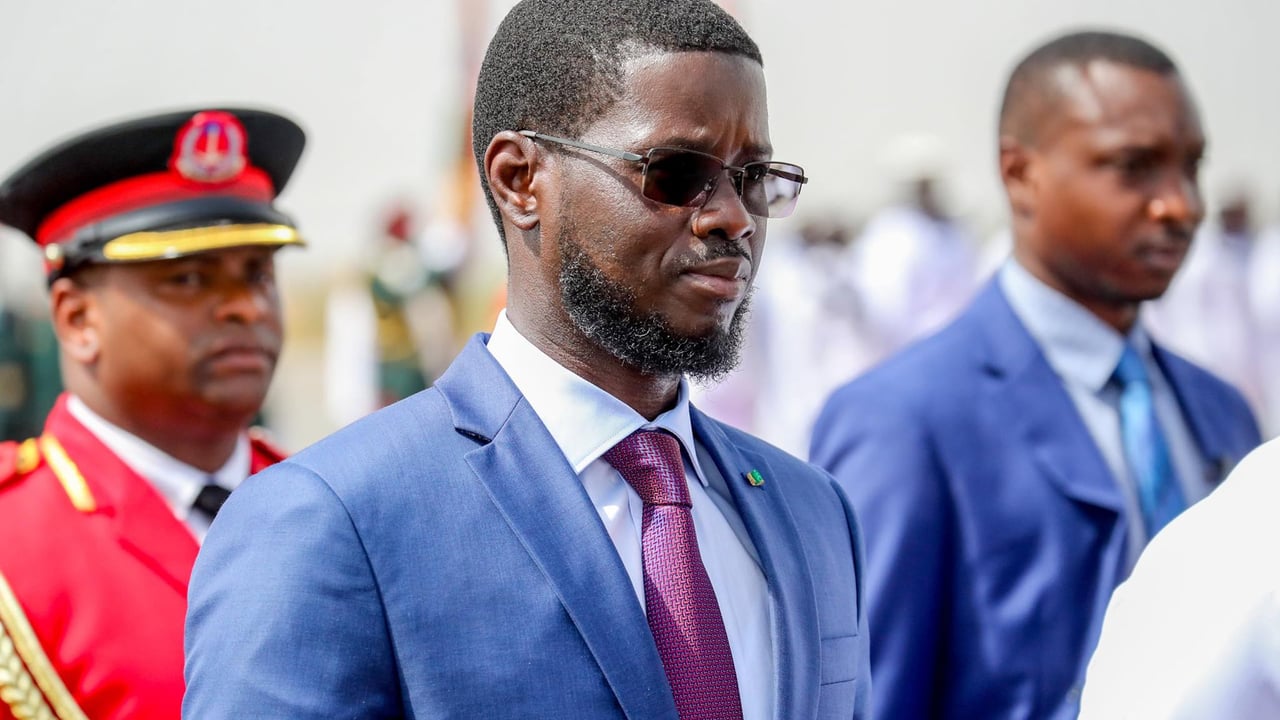
President Bassirou Diomaye Faye’s ascent to power in Senegal marked a significant shift in the nation’s political landscape. His administration faces the crucial question of how it will navigate legislative processes, particularly concerning its relationship with the Pastef party. While Faye’s victory was undeniably linked to the popular movement championed by Ousmane Sonko and Pastef, the dynamics of governing and legislating present a distinct set of challenges for the new head of state.
The political alliance that propelled Faye to the presidency is complex. Pastef, led by the influential Ousmane Sonko, played a pivotal role in mobilizing support and shaping the reformist agenda. However, effective governance requires more than just popular backing; it demands a robust legislative framework and the ability to pass critical bills through parliament. The question now looms large: can President Faye effectively legislate and implement his vision without a guaranteed, unwavering majority or direct control over Pastef’s parliamentary faction?
Key policy areas, such as addressing the nation’s “hidden debt of Senegal,” will necessitate strong legislative consensus and cooperation. Faye’s capacity to introduce and pass reforms, secure budgets, and enact new laws will heavily depend on his ability to forge alliances, negotiate with various political forces, and potentially assert a degree of independence from the very party that helped elect him. The coming months will reveal the true extent of his legislative power and his strategy for navigating Senegal’s intricate political currents.