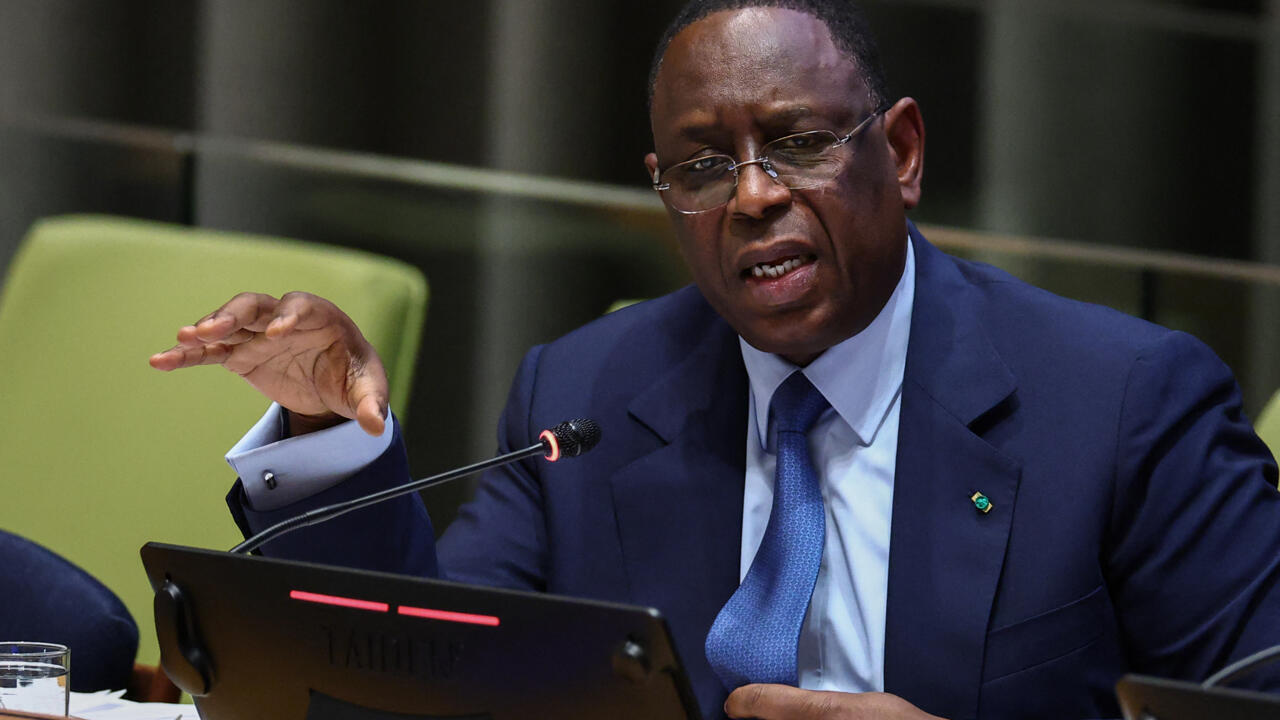
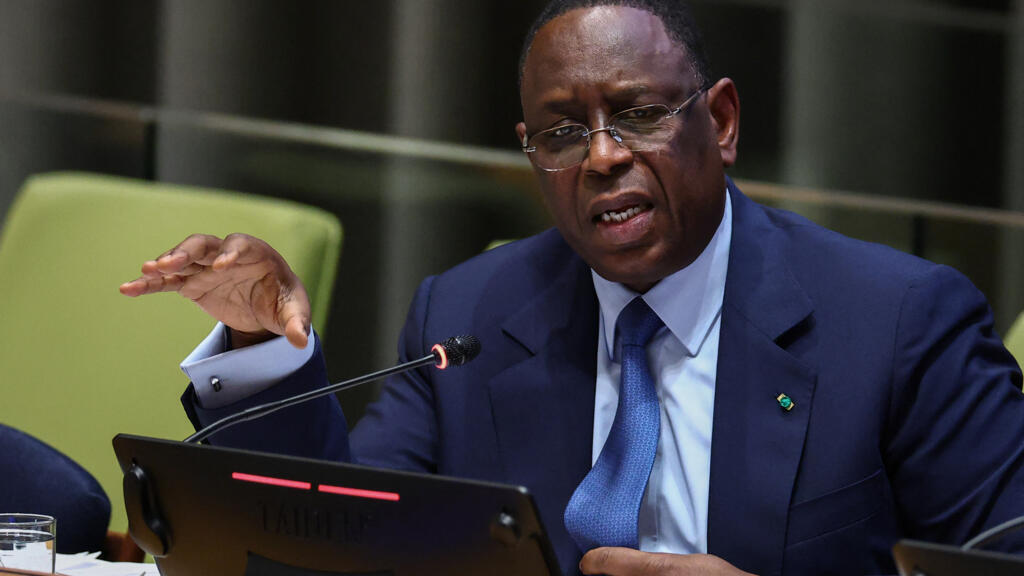
The diplomatic landscape of West Africa has witnessed a striking evolution this week as Senegal, under the leadership of Bassirou Diomaye Faye, reversed its position to fully endorse Macky Sall‘s candidacy for the United Nations Secretary-General role. Just three days after welcoming Sall at the presidential palace in Dakar, President Faye announced on July 20 the country’s unwavering support for his predecessor’s bid, deploying the full weight of Senegal’s diplomatic machinery.
This strategic pivot comes after months of reservations—expressed as recently as March—that placed Senegal at odds with the African Union’s stance on the matter. The endorsement significantly bolsters Macky Sall‘s campaign, now backed by the official apparatus of the nation he led for twelve years. But what prompted Bassirou Diomaye Faye to make this about-face, and could it deepen the rift with Ousmane Sonko, his former Prime Minister?
From opposition to outright support: a strategic recalibration
The timing of this endorsement is particularly noteworthy. Macky Sall, who stepped down after twelve years in office, has been actively campaigning for the UN role, including a high-profile hearing at the UN headquarters in April. His efforts were initially met with skepticism from Senegal’s current administration, which had publicly opposed his bid during the African Union’s discussions in March.
Yet, the sudden shift has brought the full machinery of Senegal’s diplomacy into play. President Faye’s government has framed the endorsement as a national position, presenting it as a unified stance rather than an individual political maneuver. This move not only strengthens Sall’s candidacy but also underscores Senegal’s diplomatic leverage on the global stage.
The reversal raises questions about the motivations behind Bassirou Diomaye Faye’s decision. Was it a calculated political move to consolidate alliances, or does it reflect a deeper reevaluation of Senegal’s international priorities? The president’s office has framed the support as a reflection of the country’s unity, but critics argue that such a dramatic shift could have far-reaching implications for Senegal’s political cohesion.
Tensions rise with Ousmane Sonko
One of the most immediate consequences of this diplomatic pivot could be its impact on the already strained relationship between President Faye and Ousmane Sonko, his former Prime Minister and a prominent opposition figure. Sonko, who has been a vocal critic of Macky Sall’s leadership, may view this endorsement as a betrayal of the reformist agenda he championed.
The endorsement could further polarize the political arena in Senegal, where Sonko’s supporters have long accused the current administration of backtracking on promises of change. With Sonko positioning himself as the leader of a new political wave, Faye’s alignment with Sall might be seen as a step backward by those who advocated for a clean break from the past.
As Senegal navigates this diplomatic and political tightrope, the international community will be watching closely. The endorsement of Macky Sall’s UN bid not only reshapes the political dynamics within Senegal but also signals a potential realignment in the country’s foreign policy priorities.