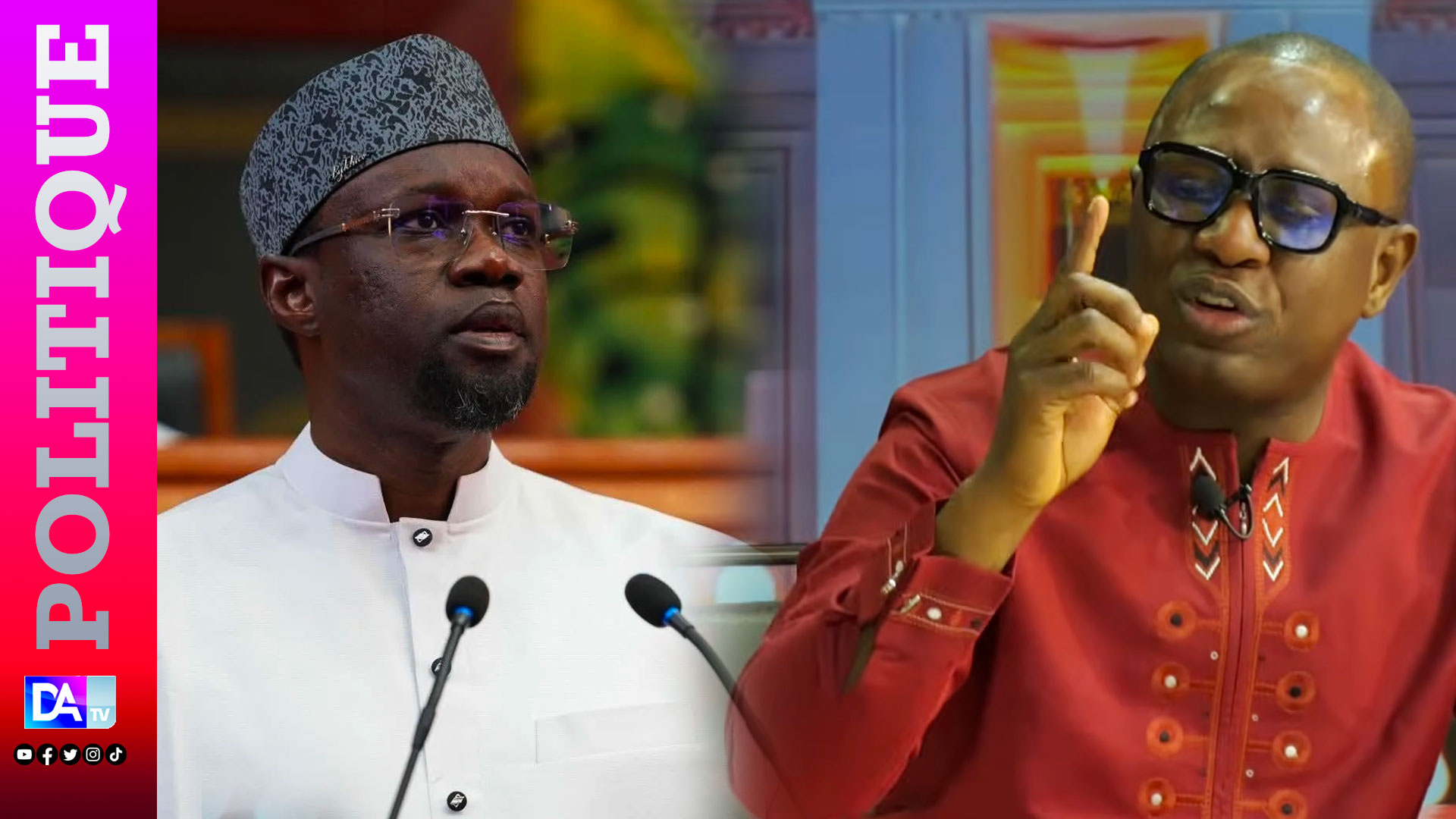
In a scathing critique aired on national television, political commentator Badara Gadiaga has accused former Prime Minister Ousmane Sonko of flagrant mismanagement of Senegal’s political funds during his tenure at the helm of government. Speaking this past Friday, Gadiaga highlighted that 142 days have passed since Sonko’s dismissal from the Primature on May 22, 2026—a period during which the former premier allegedly drained the allocated 1.77 billion CFA francs for political operations.
According to the analyst, Sonko left his successor, Al Aminou Lo, with a meager 70 million CFA francs—barely 4% of the original allocation. Breaking down the figures, Gadiaga revealed that Sonko’s daily spending averaged 12 million CFA francs, a rate he described as unsustainable and emblematic of financial irresponsibility.
From political funds to public distress
The commentary took a sharp turn as Gadiaga juxtaposed these expenditures with the plight of Senegalese students, notably the tragic case of Abdoulaye Ba, whose untimely death underscored the government’s failure to disburse a 40,000 CFA franc stipend. For the commentator, the contrast between luxurious political spending and the desperation of impoverished students painted a stark picture of what he termed ‘vampirism’ in public finance.
Highlighting further inconsistencies, Gadiaga pointed out that Sonko’s monthly allocation for political funds—over 300,000 CFA francs—far exceeded the amounts allocated to critical social programs. This discrepancy, he argued, exposed a systemic disconnect between the government’s stated Plan de redressement économique et social (PRES) and its actual fiscal priorities.
Calls for accountability in Senegal’s governance
The allegations have reignited debates over transparency and fiscal discipline in Senegal’s political landscape. As the nation grapples with economic challenges, Gadiaga’s remarks have amplified calls for a thorough audit of political fund utilization, urging authorities to bridge the gap between rhetoric and reality in governance.
Comments are closed, but trackbacks and pingbacks are open.