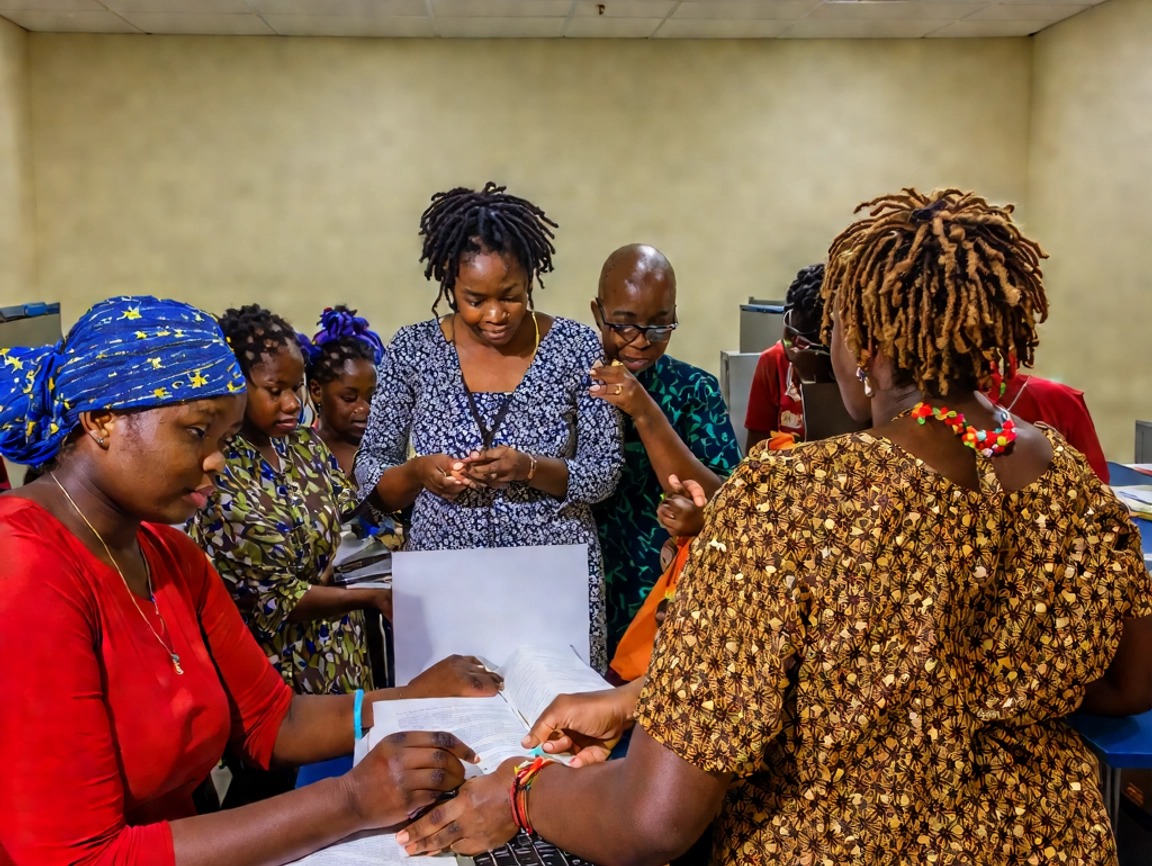
At a high-level forum in Dakar, the Réseau des femmes leaders pour le développement (RFLD) made a bold declaration: Senegal’s progress cannot be achieved without full inclusion of women in political spheres. Speaking at the launch of a workshop focused on women’s political engagement, RFLD President Bator Seck emphasized that democracy remains incomplete as long as women are sidelined from leadership roles.
« The future of Senegal’s politics must be built with women, not just for them, » she asserted. The event, organized by the RFLD—a pan-African feminist network active in countries like Ghana, Gambia, and Bénin—serves as a platform to advocate for legislation, community organizing, and grassroots initiatives that strengthen women’s rights.
The RFLD’s advocacy spans critical areas, including sexual and reproductive health, civic space protection, climate justice, and women’s empowerment. Despite Senegal’s reputation as a regional leader in gender equality—bolstered by the 2010 parity law, the 2001 Constitution guaranteeing gender equality, and ratification of international human rights conventions—concerns persist.
setbacks in women’s political representation
Ms. Seck pointed to the 2024 legislative elections as a stark example of regression. Female representation in the National Assembly dropped from 44.2% to 41%, while women accounted for just 13% of electoral list leaders. « The numbers don’t lie—women remain severely underrepresented at every level, » she noted.
Local governance reflects the same disparity: only 18 out of 558 municipalities are led by women, and just three of Senegal’s 43 departmental councils are chaired by women. For Seck, these figures reveal deep-rooted structural barriers, cultural biases, and systemic inequalities in political financing, media visibility, and leadership opportunities.
women as pillars of Senegal’s development
Yet, Seck also celebrated the indispensable role women play across Senegal’s social and economic fabric. From driving local economies to spearheading education and social justice movements, women are the backbone of community resilience. Mama Diouf Fall, a senior official from the Ministry of Family, Social Action, and Solidarity, echoed this sentiment, calling women’s political participation « a cornerstone of sustainable development and good governance. »
Fatoumata Guèye Ndiaye, honorary president of the Association of Senegalese Jurists, went further, urging reforms to the parity law to expand women’s access to executive positions and party leadership. « Equality is not negotiable, » she stated. « Without women at the helm, Senegal’s institutions will never reflect its true potential. »