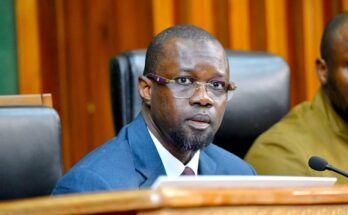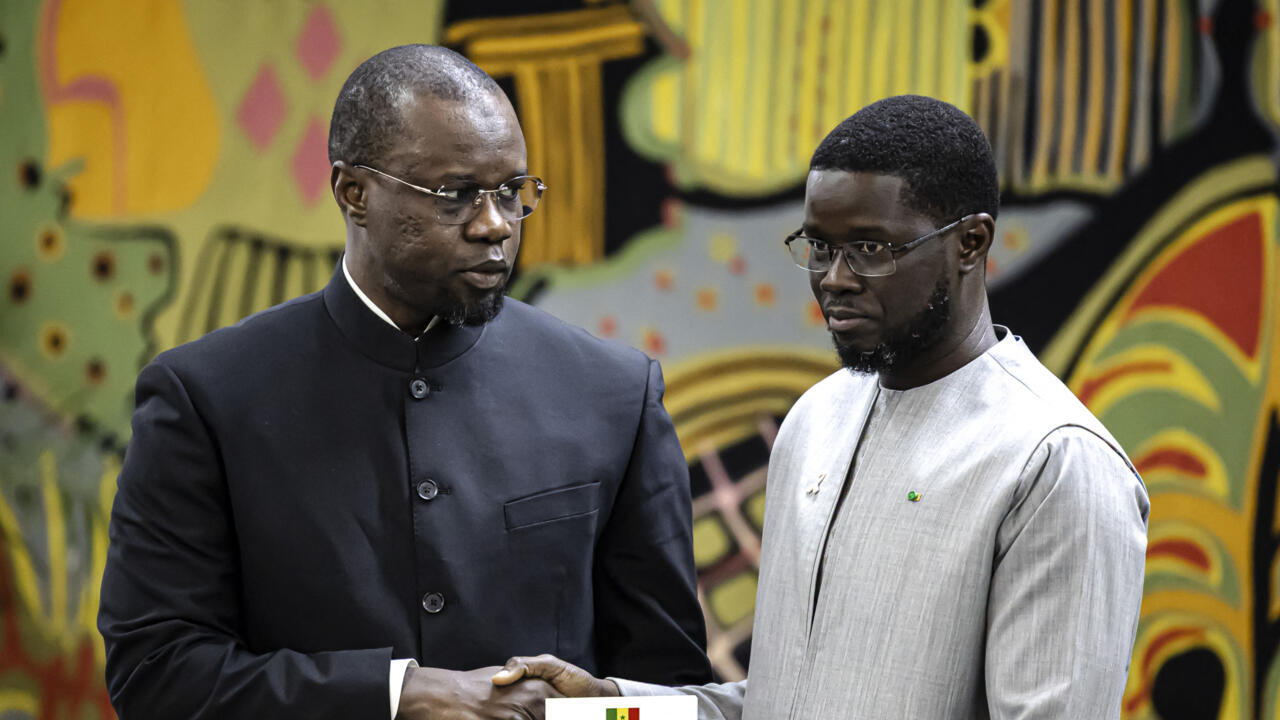
As Senegal navigates a pivotal phase in its political landscape, President Bassirou Diomaye Faye has unveiled a bold strategy to redefine his administration’s trajectory. The recent establishment of a presidential party and the Constitutional Council’s invalidation of a legislative reform championed by the majority group at the National Assembly, led by Ousmane Sonko, have set the stage for what promises to be a defining chapter in the country’s governance.
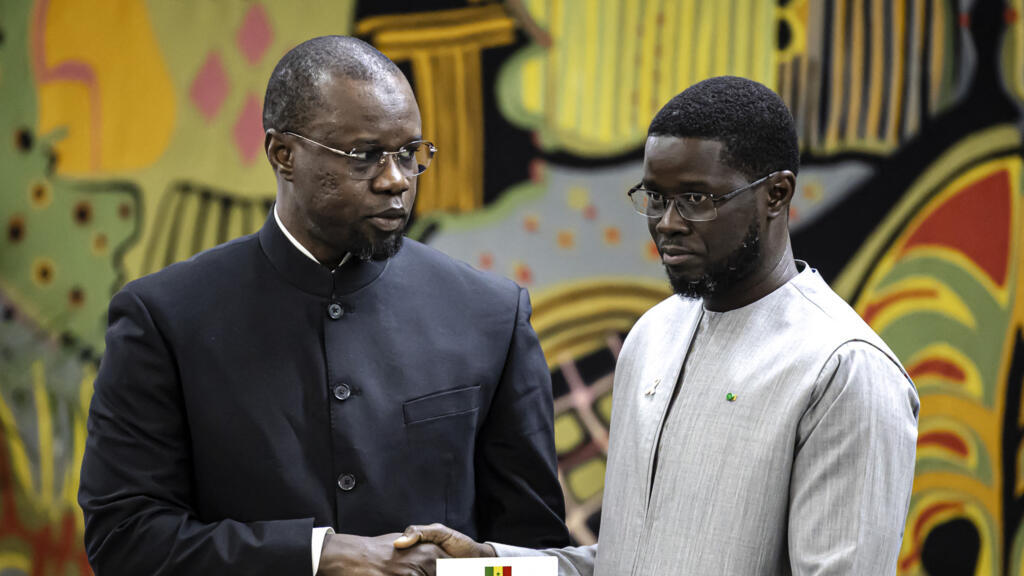
Will this bold political maneuvering succeed in bridging divides with the opposition and winning over the Senegalese public? The coming weeks will reveal whether President Faye’s vision can unify a nation at a crossroads.
Meanwhile, escalating tensions in the Middle East continue to dominate global headlines. Recent retaliatory strikes and counter-strikes have intensified the standoff involving Iran, prompting former US President Donald Trump to declare that the ceasefire is effectively over. Trump’s dismissive stance toward negotiations with Tehran, labeling them a “waste of time,” underscores the growing risk of a full-scale military confrontation. Could this volatile region be on the brink of a new and more dangerous phase of conflict?
Every week, African journalists and commentators dissect the most pressing issues shaping both the continent and the world. This week’s panel features:
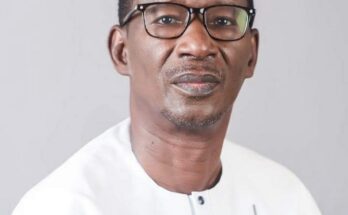
- Wuldath Mama, a Beninese journalist renowned for her expertise in international affairs
- Eric Topona, a Chadian journalist contributing to Deutsche Welle’s Francophone Africa desk
- François Hiondi Nkam, an award-winning Cameroonian reporter and Economics Editor at Le Jour newspaper
Together, they provide sharp insights into the unfolding developments in Senegal and beyond, offering perspectives that matter to African audiences.