Senegal’s political shifts and rising middle east tensions
In this week’s edition, we explore Senegal’s evolving political landscape alongside escalating conflicts in the Middle East and their potential impact on Africa. As President Bassirou Diomaye Faye steers the nation through critical reforms, can his vision unite a divided nation? Meanwhile, tensions between Iran and the United States threaten regional stability, raising concerns about global security.
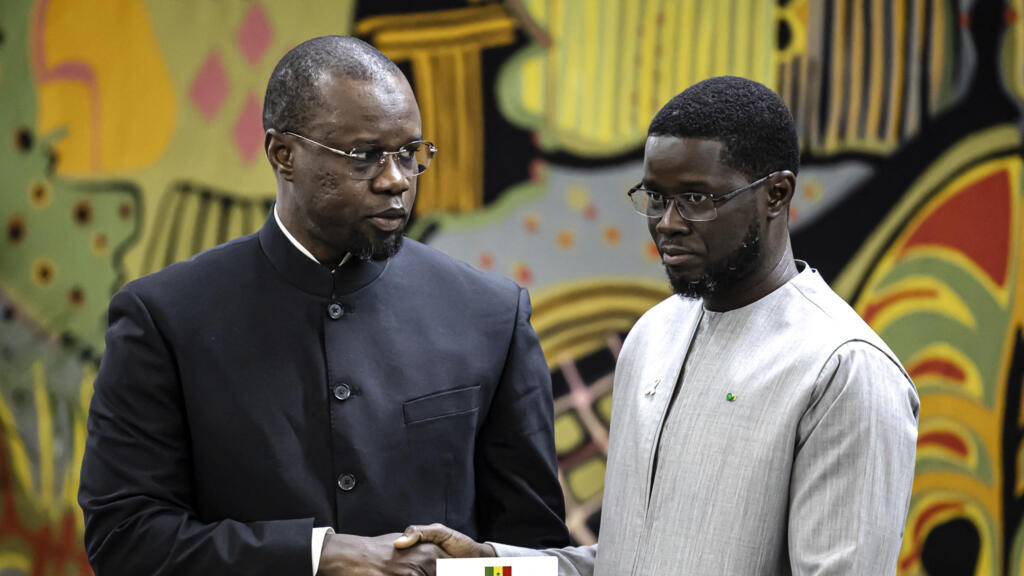
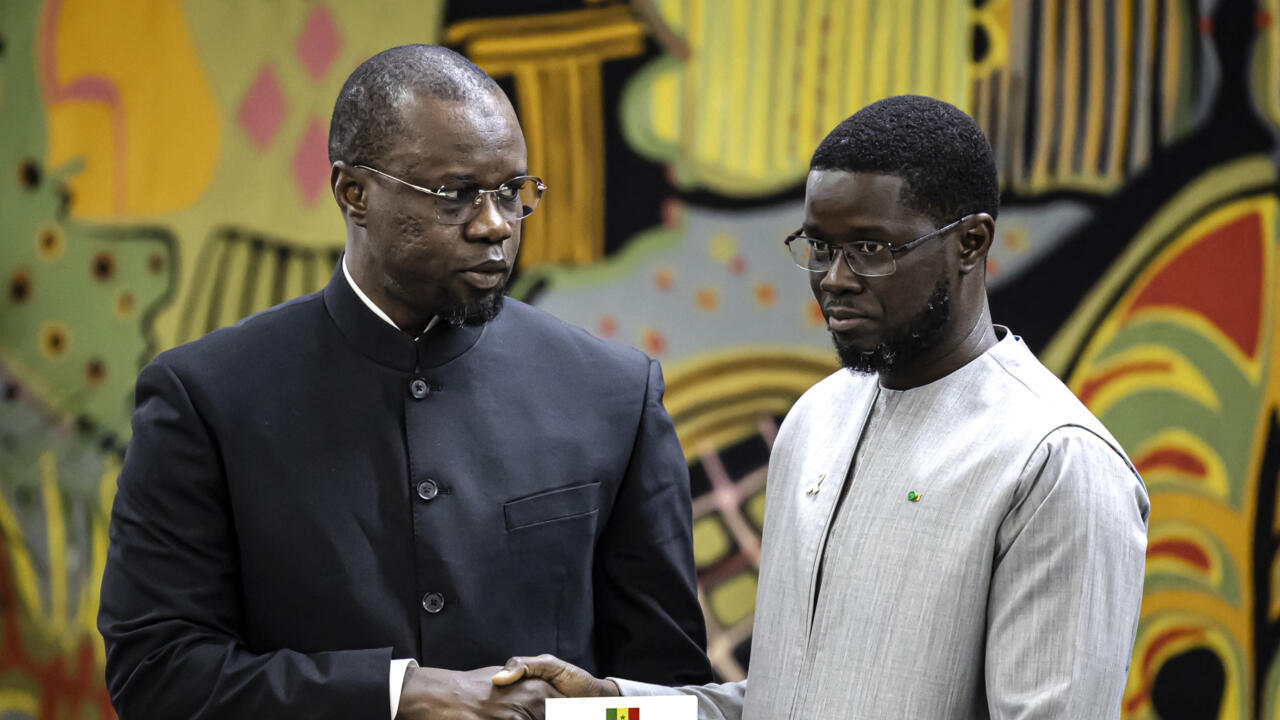
Senegal stands at a crossroads as President Bassirou Diomaye Faye navigates a turbulent political climate. The recent establishment of a presidential party and the Constitutional Council’s rejection of a parliamentary reform spearheaded by Ousmane Sonko’s Pastef coalition have intensified debates about governance and national unity. Will these strategic moves strengthen public trust or deepen divisions?
Meanwhile, across the globe, tensions in the Middle East are reaching a boiling point. After successive airstrikes and retaliations, former U.S. President Donald Trump declared the ceasefire “over,” dismissing negotiations with Iran as “a waste of time.” With fresh military threats looming, the region braces for potential escalation. Could this volatile situation reshape global power dynamics?
Each week, a panel of African journalists dissects the week’s most pressing issues, offering unique insights into Africa’s role on the world stage.
This week’s contributors include:
- Wuldath Mama, Beninese journalist specializing in international affairs
- Eric Topona, Chadian journalist with Deutsche Welle’s Francophone Africa desk
- François Hiondi Nkam, senior reporter and head of the Economy desk at Cameroon’s Le Jour newspaper