Senegal’s political storm: President Faye fires PM Sonko amid rising tensions
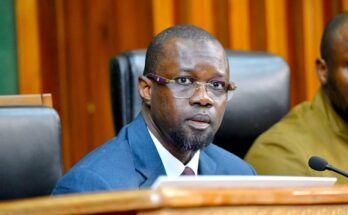
The abrupt dismissal of Senegal’s highly popular Prime Minister Ousmane Sonko by President Bassirou Diomaye Faye has plunged the country into uncharted political waters. The move comes after months of growing friction between the two leaders who once represented a beacon of hope for change in Senegal.
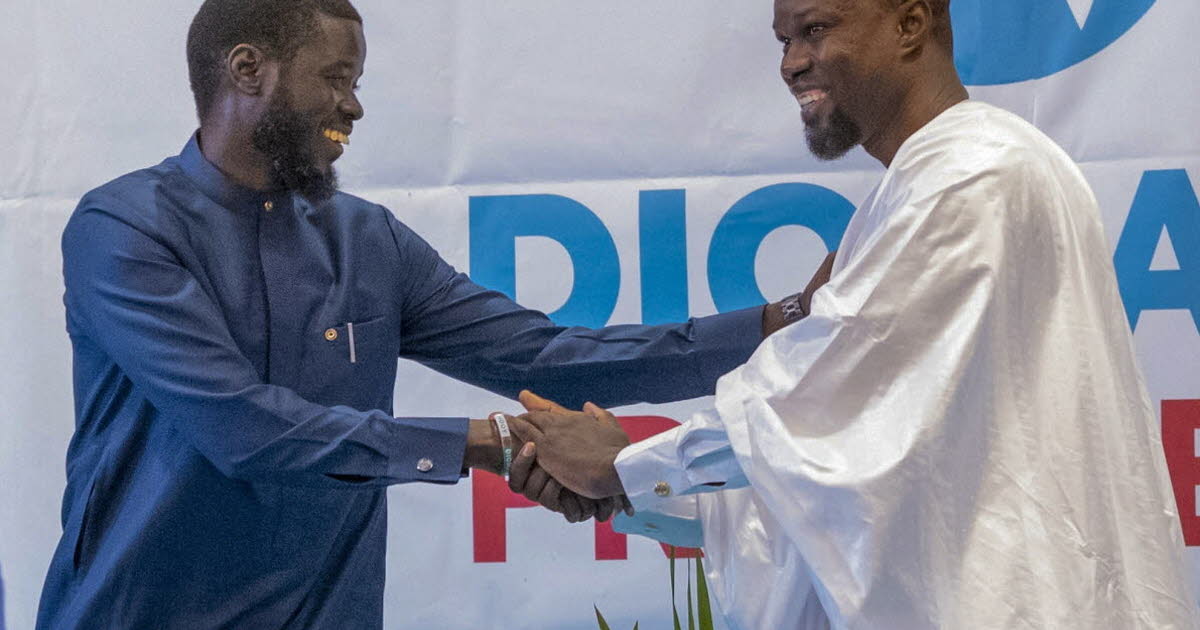
The partnership between President Bassirou Diomaye Faye and his former mentor, former Prime Minister Ousmane Sonko, who led the Pastef party, once symbolized a united front against political corruption. Their 2024 electoral victory—securing 54% of votes in the first round—was largely attributed to Sonko’s influence, despite his ineligibility due to a prior defamation conviction that barred him from running himself.
At the height of their alliance, the slogan «Diomaye moy Sonko, Sonko doy Diomaye» («Diomaye is Sonko, Sonko is Diomaye») resonated strongly across Senegal. Their release from prison just days before their election victory had sparked nationwide optimism, as citizens sought to move past a prolonged period of political instability and social unrest. The promise of systemic change and corruption eradication had granted the Pastef leadership an initial honeymoon period, now decisively over.
The deterioration of their relationship has significantly hindered the implementation of promised reforms. Key disagreements emerged over debt reduction strategies, with Senegal facing a staggering public debt equating to 132% of its GDP—the second highest in sub-Saharan Africa. The political rivalry between the two figures, particularly in anticipation of the 2029 presidential election, has further stalled progress.
A looming presidential showdown in 2029
Ousmane Sonko’s dismissal has triggered an unprecedented political crisis. While President Faye retains control, his ability to govern hinges on the backing of the Pastef party, which Sonko still leads. With a commanding majority of 130 out of 165 seats in the National Assembly, Sonko remains a dominant force in Senegalese politics, despite being sidelined from his official role.
«Ousmane Sonko embodies a new generation of African leaders, prioritizing national sovereignty over foreign influence,» noted Pascal Boniface, Director of the Institute of International and Strategic Relations (IRIS), following a discussion with Sonko in Dakar. «He challenges the status quo without resorting to violence, advocating instead for a redefined partnership with international allies—one based on mutual respect and Senegal’s strategic interests.»