The Nigerien government has terminated its uranium mining concession with French giant Orano Mining, replacing it with a state-owned company to oversee the sector. The move comes as Niamey accelerates its push for full control over the country’s uranium resources, a critical revenue stream for the nation.
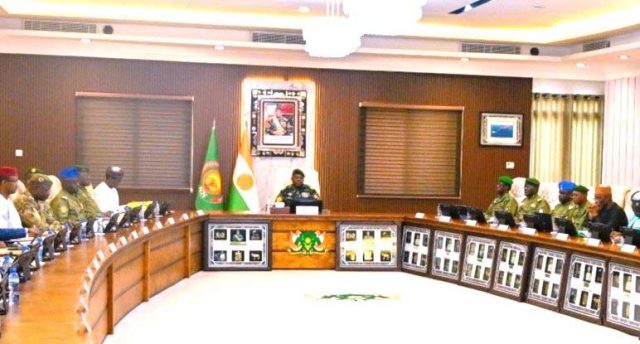
In a decisive cabinet meeting chaired by President Abdourahamane Tiani, Niger’s authorities approved the establishment of Téloua Safeguarding Uranium Mining Company (TSUMCO SA), a national enterprise set to take over operations from the former Société des Mines de l’Aïr (SOMAIR). This transition marks the end of Orano’s 75-year concession for the Arlit uranium deposit, originally granted in 1978. The new company’s name, Téloua, references an underground aquifer in the Arlit mining region, where the now-defunct COMINAK mine operated by Orano/Areva was located between 1978 and 2021.
Government officials highlighted the environmental toll of decades of mining, citing severe soil degradation, water depletion, and disruption of Saharan ecosystems around the sites. The rebranding of the national firm is framed as both a redressal of past harms and a commitment to sustainable resource management moving forward.
legal standoff with Orano intensifies
Niger’s mining regulations now impose a surface royalty of 25 million CFA francs per km² annually on unused concession areas, a rule formalized in August 2024. Authorities allege that Orano Mining has failed to comply with these payments since September 2025, prompting a formal notice and subsequent justification for contract termination. The government further asserts that the company remains liable for unpaid taxes and environmental obligations under its prior agreements.
Since SOMAIR’s nationalization in June 2025, Orano has filed multiple lawsuits against the Nigerien state, actions described by Mines Minister Ousmane Abarchi as an attempt to block uranium exports on the global market. With this latest decision, tensions between Niamey and Paris are expected to escalate, reflecting broader shifts in Niger’s economic and strategic alignment.