
Senegal’s political tensions rise over Diomaye Faye and Macky Sall meeting
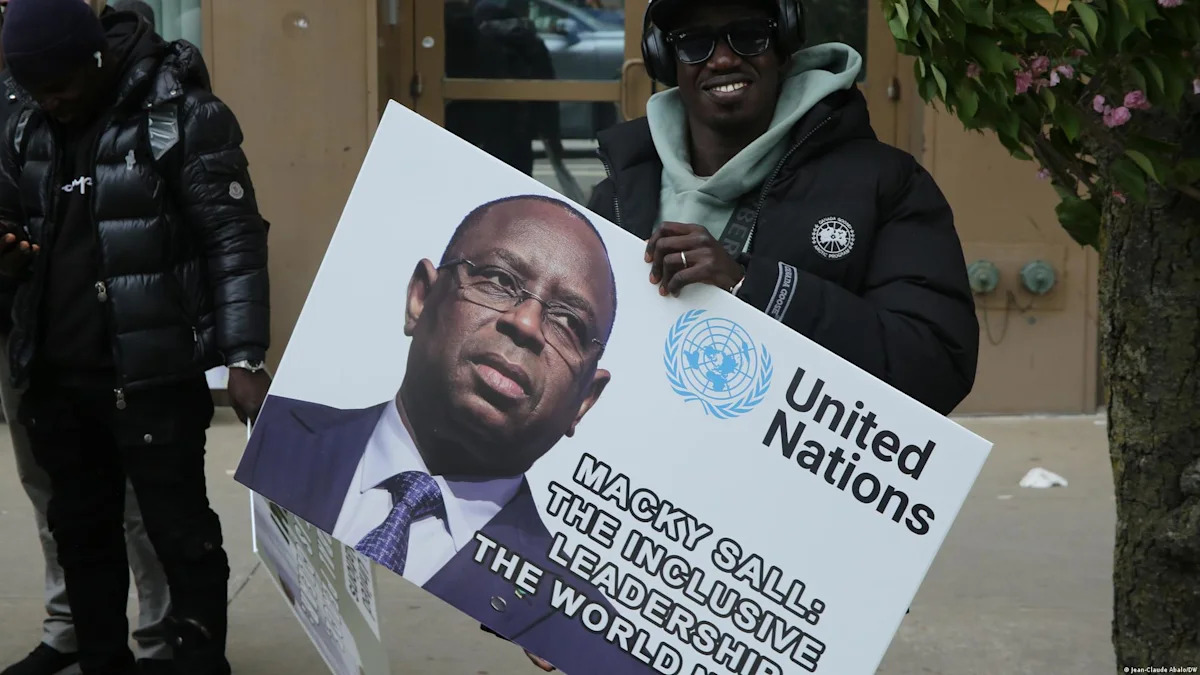
In Senegal, the upcoming meeting between President Bassirou Diomaye Faye and his predecessor Macky Sall—scheduled in Dakar to seek Senegal’s backing for Sall’s candidacy for UN Secretary-General—has ignited intense debate.
A meeting that reopens old wounds
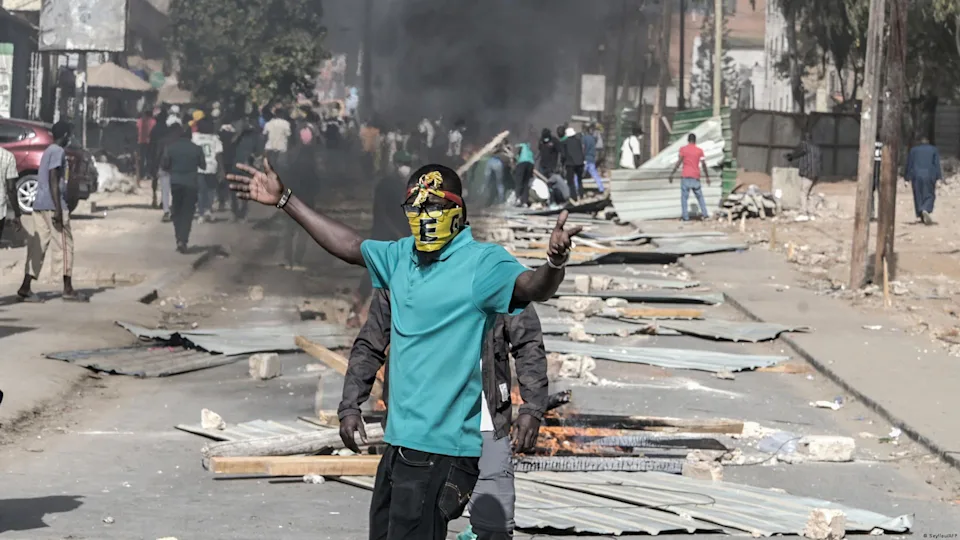
For the families of victims from the 2021-2024 protests, Sall’s return to Senegal is deeply painful. Seydi Gassama, who represents 67 presumed victims in their legal battles, argues that this meeting sends a harmful message.
“It’s not the fact that Macky Sall is returning to Senegal that shocks us, explains the director of Amnesty International Senegal. As a citizen, he has every right to visit. What shocks us is that President Bassirou Diomaye Faye, since taking office, has taken no concrete steps to deliver justice to the victims of Sall’s regime. No justice, no accountability—yet now he’s welcoming Sall to support his UN bid. This is completely unacceptable. Macky Sall bears heavy responsibility for what happened.”
Broken campaign promises
During his campaign, Bassirou Diomaye Faye vowed to prioritize justice for victims. Yet over two years into his presidency, no trials have been held, and compensation remains minimal—a point of frustration for victims’ groups.
Human rights organizations also criticize the lack of progress. For Seydi Gassama, Sall’s past makes him unfit for a leadership role at the UN.
APR’s perspective
Officials from the Alliance for the Republic (APR), Sall’s party, dismiss criticisms from victims’ groups as exaggerated.
Political analyst Assane Samb suggests the meeting between Faye and Sall could reshape Senegal’s reconciliation process and political landscape.
“Since President Diomaye Faye distanced himself from his original party, Pastef, and is forming his own political movement, he notes. What’s next? They may seek to build a strategic alliance between Diomaye’s new party and traditional opposition groups, creating a united front against Pastef’s still-significant influence.”
What about Pastef?
So far, neither Senegal’s presidency nor Pastef—the party led by Ousmane Sonko—has officially commented on Sall’s planned visit.
This would mark Sall’s first return to Senegal since leaving office in April 2024. His UN Secretary-General bid was not submitted by his own country but by Burundi, which currently holds the rotating presidency of the African Union (AU).
In late March, over twenty AU member states, including Senegal, rejected his candidacy to replace António Guterres.
