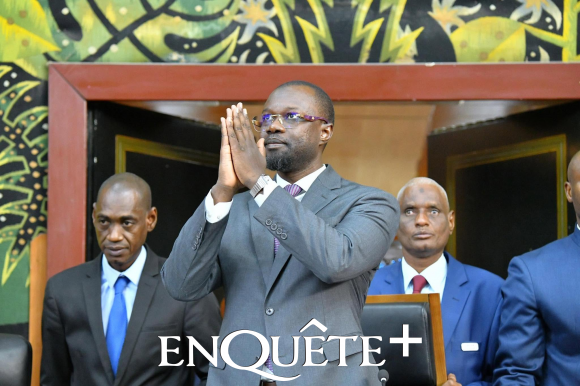
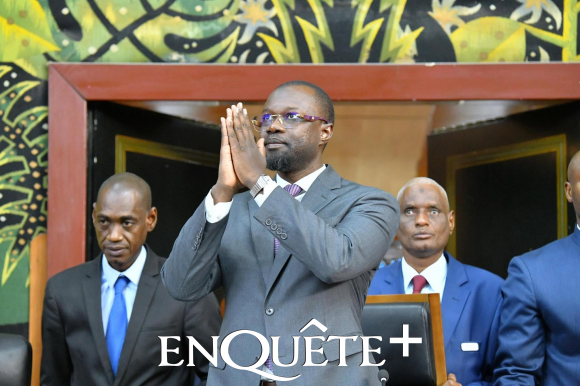
Supreme Court Denies UNIS Request to Block Ousmane Sonko’s Assembly Presidency
The Union nationale pour l’intégrité et la souveraineté (UNIS) has sharply criticized a June 25 ruling by the Supreme Court’s emergency judge, which dismissed its request to suspend the administrative act installing Ousmane Sonko as President of Senegal’s National Assembly. The organization vows to pursue its legal challenge on the merits and has requested that the Supreme Court’s chambers convene to resolve the jurisdictional conflict.
UNIS Alleges Legal Overreach and Denial of Justice
In a strongly worded statement signed by its president, Amadou Gueye, UNIS condemned the ruling as a violation of due process, accusing the Supreme Court of creating a negative jurisdictional conflict—a situation where no court claims authority to rule on the matter. The group argues that the decision contradicts the Council of Constitution’s earlier June 17 ruling, which declared itself incompetent to review the contested act, classifying it as an administrative—not legislative—decision. The emergency judge, however, upheld the principle of separation of powers and refused to intervene in internal Assembly affairs.
Legal Battle Over Assembly Act Continues
UNIS maintains that the emergency judge’s reasoning is legally unsound. The organization points out that the Council of Constitution, by labeling the Bureau of the National Assembly’s act as an administrative integration act, implicitly recognized the Supreme Court’s jurisdiction over the dispute. According to UNIS, this refusal to hear the injunction leaves a dangerous legal void, allowing administrative acts by the legislature to evade judicial scrutiny. The group insists that the separation of powers does not exempt legislative acts from judicial review, citing recent Constitutional Council decisions that have struck down provisions of constitutional reforms, reinforcing the judiciary’s oversight role.
UNIS warns that the ruling could establish a lawless zone within the Assembly Bureau, enabling unchecked administrative actions. While the emergency request was denied, the organization reaffirms its intention to proceed with its substantive appeal for annulment before the Supreme Court. It has formally requested the convening of the Supreme Court’s chambers to clarify its jurisdiction and resolve what it describes as a threat to legal certainty. The group urges magistrates to assert their constitutional mandate in this pivotal case, framing it as a critical test for the balance of power between Senegal’s executive, legislative, and judicial branches.