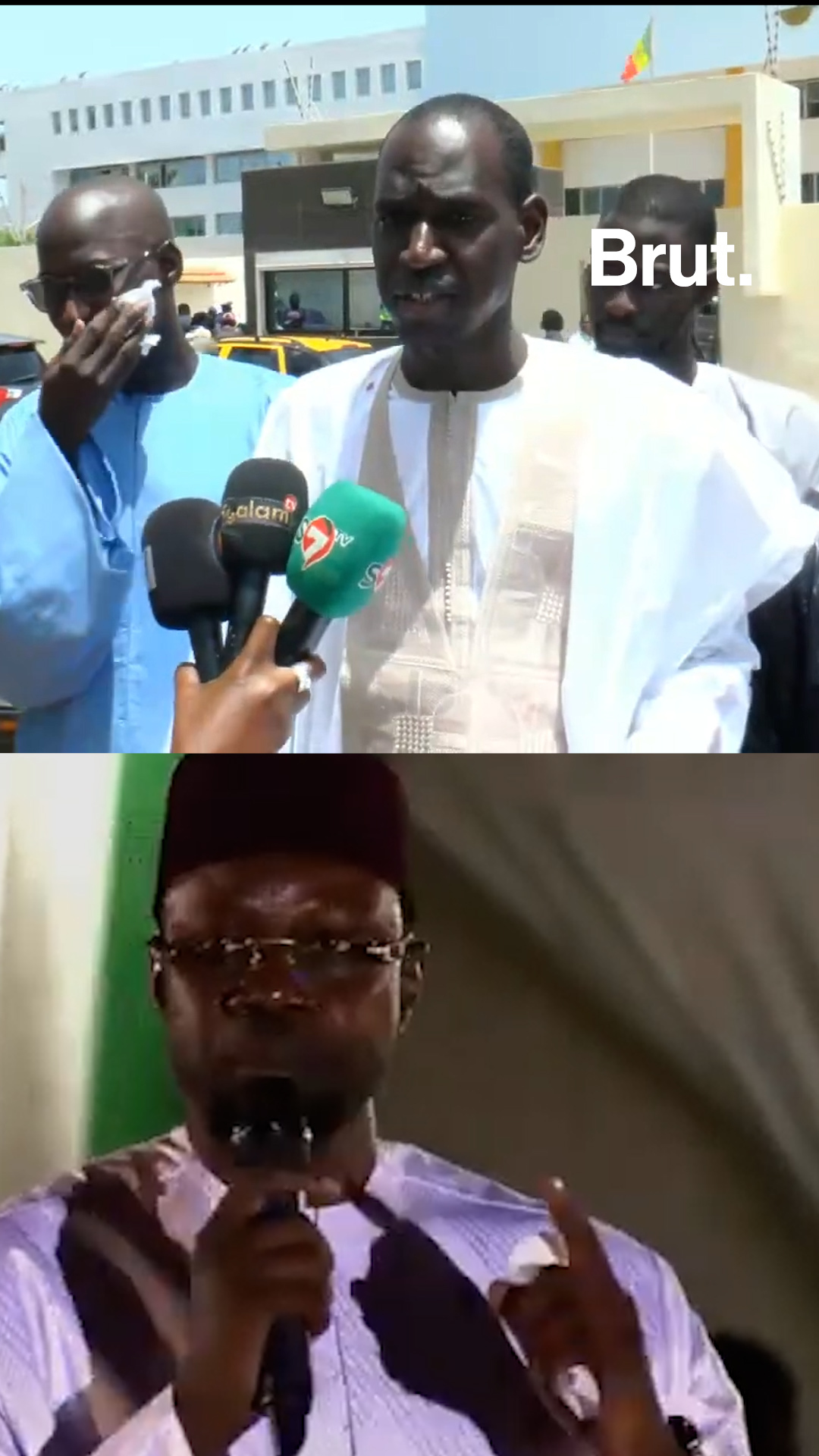
In a significant legal development in Dakar, a collective representing descendants of the founder of Touba, the revered holy city in Senegal, has filed a formal complaint against opposition leader Ousmane Sonko. The move follows his remarks during the inauguration of the Pastef party’s headquarters in the city, where he alleged that ‘dirty money’ had entered Touba.
The group contends that these statements tarnish the honor and reputation of Touba, demanding a thorough judicial investigation into the matter. The complaint, lodged with the Dakar prosecutor’s office, underscores the sensitivity of public discourse in a city deeply rooted in religious and cultural significance.
Legal repercussions for political statements
The complaint raises important questions about the boundaries of political speech in Senegal, particularly when such statements touch on sacred or symbolic locations. Ousmane Sonko, a prominent figure in Senegalese politics, now faces potential legal consequences for his words, which have sparked a broader debate about accountability in public discourse.
Reactions and implications
While the legal process unfolds, the incident has ignited discussions across Senegal about the intersection of politics, religion, and national identity. Observers note that the outcome of this complaint could set a precedent for how political figures address sensitive topics in the future.
The complaint underscores the tension between free expression and the protection of cultural and religious symbols in Senegal’s evolving political landscape.