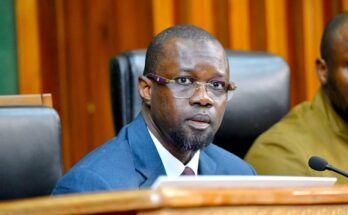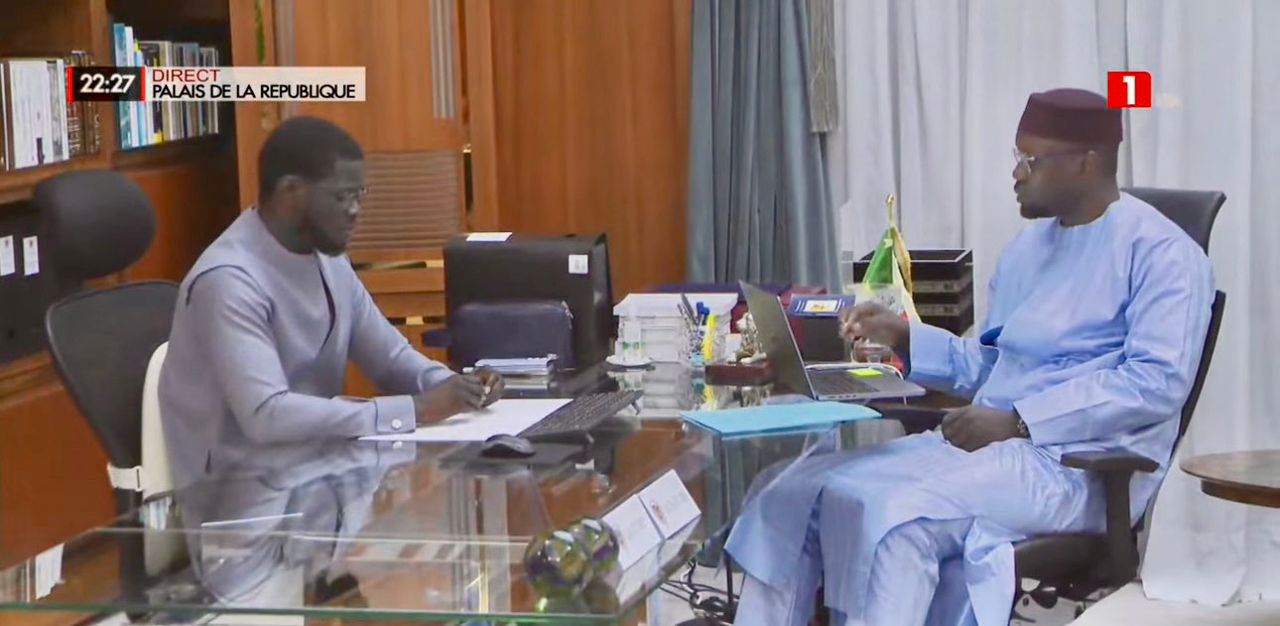
Senegal’s political landscape is once again stirred by fresh revelations from former Prime Minister Ousmane Sonko, who has shared exclusive details about his abrupt departure from government and the strained interactions that followed. At the heart of the controversy lies an unusual demand made by President Bassirou Diomaye Faye, which Sonko has openly refused to comply with.
In a candid account, Ousmane Sonko describes how the head of state proposed framing their political separation as a mutual agreement—a request he firmly rejected. According to Sonko, the decision to remove him from office was made unilaterally by the presidency, without prior consultation or discussion. He states that he was only given a 24 to 48-hour window to organize the practical aspects of his departure, yet the process was set in motion immediately, leaving no room for dialogue on the communication strategy surrounding the split.
a contested departure shrouded in ambiguity
Sonko, a central figure in the ruling coalition, portrays his exit as a form of emancipation rather than a setback. He asserts that the manner in which his removal was handled has not weakened his political standing. During his tenure, he claims to have established a clear principle: never to be the instigator of a rupture. Following the announcement of his dismissal, he returned home the same day and observed a period of silence before any further engagement took place.
The former Prime Minister’s testimony also sheds light on the subsequent attempts to form a new government. He reveals that he learned the presidency had reached out to outgoing ministers from the Pastef party. In response, Sonko advised these ministers not to attend the consultations, insisting that all exchanges should go through the party’s official channels. This stance, he says, deepened the rift between the factions involved.
Days of impasse ensued before an attempt at reconnection was initiated. Sonko proposed a meeting involving several political figures, including Birame Souleye Diop, El Malick Ndiaye, Alioune Sall, and Daouda Ngom. However, this initiative did not materialize. The final discussions, according to his account, were conducted with the new Prime Minister, Al Aminou Lo, but no resolution was reached on critical issues such as justice, accountability, or public debt management.