Mobilizing the diaspora for a new Senegalese development pact
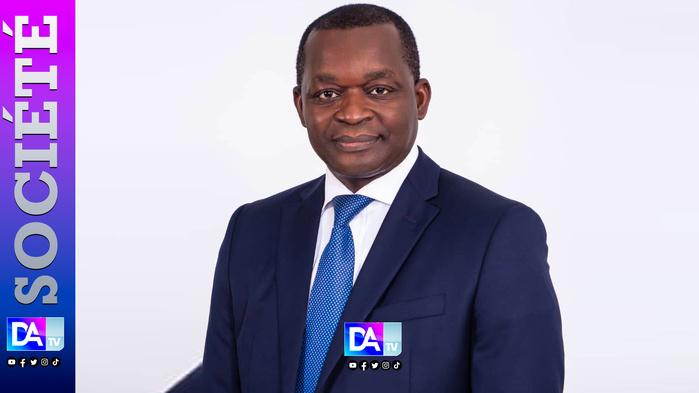
During a European tour spanning Paris, Massy, and Creil, Alioune Sarr, President of the Alliance for Senegal (APS/ANS), engaged directly with the Senegalese diaspora to promote a transformative vision of national development. The campaign focused on forging a new pact between territories, diaspora communities, and economic sovereignty, emphasizing decentralized growth and inclusive governance.
The initiative kicked off with intimate gatherings in family homes and community centers. In Paris’s 20th arrondissement, Sarr visited the Foyer Les Mûriers, where he listened to grassroots concerns about economic opportunities, social challenges, and infrastructure gaps. In Massy (Essonne), discussions centered on leveraging diaspora expertise for local projects, from agribusiness to renewable energy. The momentum culminated in Creil (Oise), where local leader Amy Faye of the APS orchestrated a packed assembly, uniting entrepreneurs, students, and workers under a shared vision of territorial empowerment.
Breaking the cycle of centralized stagnation
Sarr’s tour underscored a critical flaw in Senegal’s development model: decades of over-reliance on centralization have stifled regional potential. “Centralized decision-making breeds waiting; decentralized action fuels progress.” He argued that the country’s growth must emerge from its diverse territories, not trickle down from Dakar. This shift would require:
- Investment in local economies: Prioritizing job creation in regions like Saint-Louis, Kolda, and Tambacounda to curb rural exodus.
- Smart urbanization: Projects like Notto Diobasse Smart City as blueprints for integrated industrial, educational, and residential hubs.
- Land reform: Treating soil as a development capital rather than a commodity, urging communities to transform arable land into productive assets.
Dakar and the territories: Partners in progress
Sarr rejected the false dichotomy between Senegal’s capital and its hinterlands, framing them as complementary organs of the nation. “Dakar is the heart that pumps life, but the territories are the lungs that oxygenate the body. No nation thrives with half its lungs.” He cited the Notto Diobasse initiative—envisioned as a self-sustaining agro-industrial zone—as proof that Senegal’s future lies in territorial-led innovation. The model hinges on:
- Training local workforces in high-demand sectors (tech, green energy).
- Forging public-private partnerships to de-risk investments in underserved areas.
- Amplifying diaspora contributions through structured channels, not ad-hoc remittances.
A call to action: Three pillars for Senegal’s renaissance
At the tour’s close, Sarr framed the way forward around three pillars:
- Empowered Territories: Local governments with fiscal autonomy to fund grassroots projects. Example: Ziguinchor’s emerging cashew cluster could rival global markets if granted export incentives.
- Mobilized Diaspora: Positioning expatriates as “an open-air ministry of development”—investors, mentors, and bridge-builders. Sarr challenged the narrative of diaspora as mere remittance providers, urging them to co-design projects like eco-tourism in Casamance.
- Economic Sovereignty: Reducing reliance on imports by boosting local industries (textiles, pharmaceuticals). “Nations don’t grow by selling raw resources; they thrive by refining them.”
From vision to reality: The road ahead
The tour’s turnout—especially in Creil, where over 200 attendees participated—signaled a hunger among diaspora communities for tangible involvement. Sarr framed the next steps as collaborative:
“We didn’t come to manage the future; we came to build it. The Senegalese abroad are not spectators—they are architects of this new era.”
The APS’s roadmap includes:
- Establishing territorial development funds co-managed by locals and diaspora investors.
- Launching a national land-use registry to prevent speculative sales and prioritize agricultural productivity.
- Creating a diaspora investment portal to match skills and capital with high-impact projects.
As Senegal grapples with global pressures—climate change, migration, and economic fragmentation—Sarr’s message was clear: the path to resilience lies in unity, not division. Whether in the bustling markets of Thiès or the quiet fields of Matam, every Senegalese has a role to play in shaping a prosperous, sovereign, and balanced nation.
Comments are closed, but trackbacks and pingbacks are open.