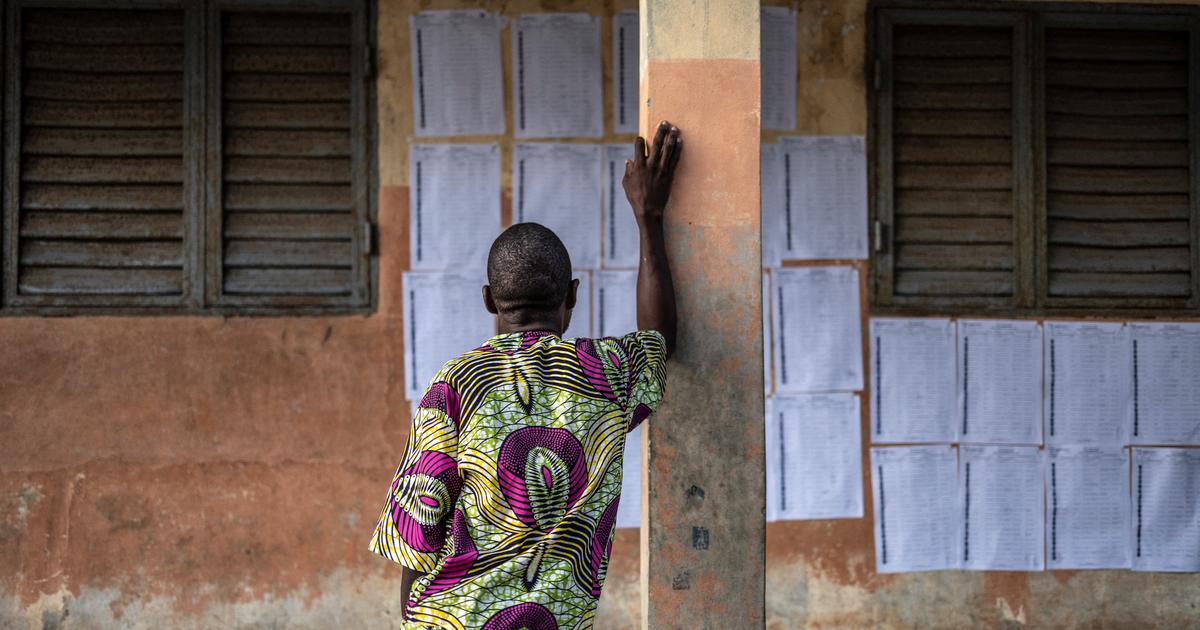
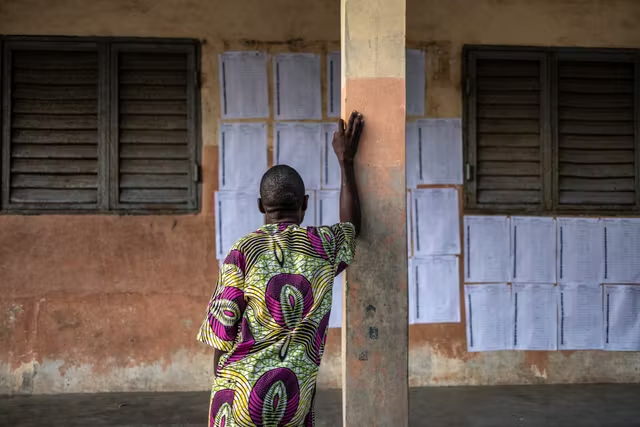
Elections in Africa have increasingly become one-sided contests before the first ballot is even cast. The 2025 presidential polls in Djibouti and Benin illustrated this disturbing trend, where opposition candidates were systematically sidelined by financial barriers rather than electoral competition.
In Djibouti’s April 10 vote, incumbent President Ismaïl Omar Guelleh secured a sixth term with an overwhelming 97.8% of the vote, while in Benin two days later, Romuald Wadagni—handpicked successor to Patrice Talon—won with 94% of ballots cast. These results, though numerically impressive, revealed a deeper issue: the near-total exclusion of credible challengers.
Financial hurdles block democratic competition
For opposition figures, the real campaign begins long before campaign rallies or debates. “Nomination fees have become an insurmountable wall,” explained one aspiring candidate who requested anonymity, citing the exorbitant costs required just to appear on the ballot. In Djibouti, aspirant Alexis Mohamed abandoned his bid after determining the financial demands would leave no room for meaningful campaigning, citing both prohibitive fees and safety concerns.
Such barriers disproportionately affect independent and opposition candidates, who often lack access to state resources or corporate sponsorships that benefit ruling party contenders. The result? Elections that resemble “scripted performances” rather than genuine democratic exercises, where results are predetermined by administrative constraints rather than voter choice.
The cost of candidacy: a continental pattern
Across the continent, candidates face escalating fees that dwarf average incomes. In some nations, presidential hopefuls must deposit sums equivalent to several years of a civil servant’s salary merely to register. These financial prerequisites, often justified as measures to “ensure seriousness,” effectively price out grassroots leaders and reform-minded challengers.
The phenomenon extends beyond Djibouti and Benin. In neighboring states, similar stories emerge: opposition figures deterred by costs, independent voices silenced by paperwork, and elections that produce landslide victories for incumbents with no credible competition. The message is clear—democratic participation comes at a price too steep for most.
As Africa’s political landscape evolves, these financial barriers reshape the continent’s democratic fabric. Without reform, the dream of inclusive, competitive elections risks becoming an impossible standard.