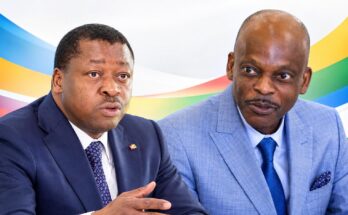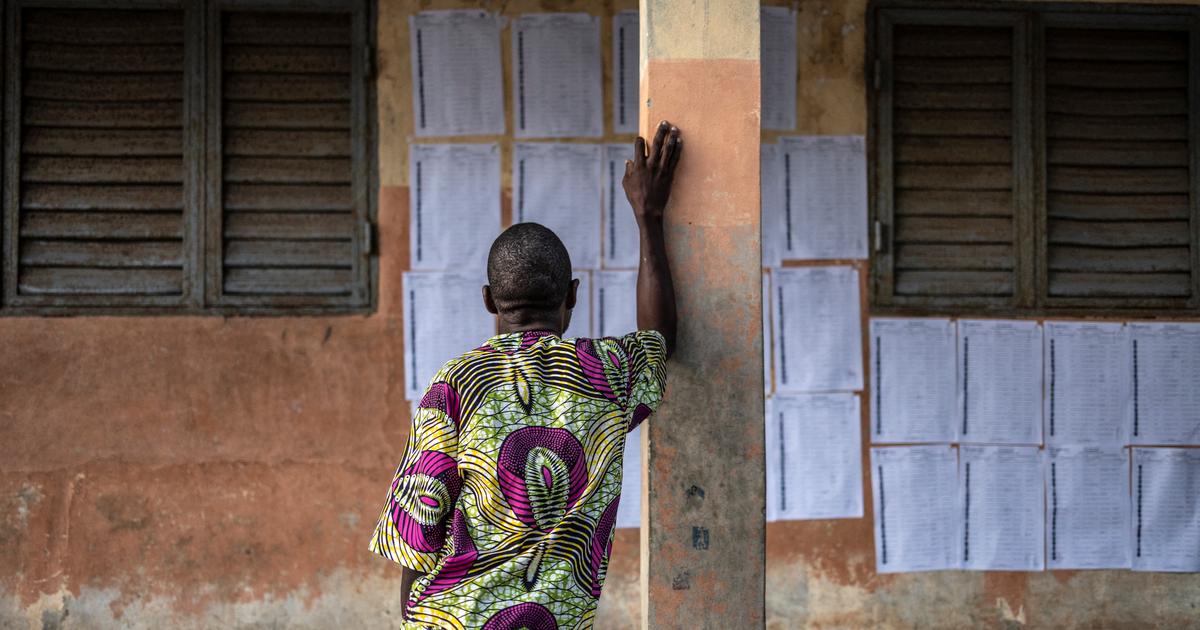
A sense of inevitability permeated African presidential elections in 2025. From the outset, opposition forces faced systemic barriers before campaigning even began. Recent contests in Djibouti on April 10 and Benin on April 12 followed this pattern. In Djibouti, incumbent President Ismaïl Omar Guelleh secured a sixth term with 97.8% of the vote, while in Benin, Romuald Wadagni—handpicked successor to Patrice Talon—claimed victory with 94% of ballots cast. Both victories arrived amid a conspicuous lack of meaningful opposition.
In Djibouti, opposition leader Alexis Mohamed abandoned his candidacy, citing insurmountable obstacles. While he mentioned safety concerns over unchecked campaigning, the primary deterrent came from “exorbitant nomination fees.” Observers described the process as “a foregone conclusion,” reducing the vote to a largely ceremonial exercise.
Financial barriers shape election outcomes
Such inflated costs have become a continental hallmark. Aspiring candidates routinely face prohibitive expenses that extend far beyond standard campaign budgets. Registration fees, signature collection requirements, and administrative hurdles disproportionately impact opposition figures, often pricing them out of contention before ballots are even cast.
The situation in Benin mirrored Djibouti’s experience. Opposition hopefuls withdrew en masse after failing to meet financial thresholds, leaving the field open for a tightly controlled process. Analysts warn that these financial gatekeepers are reshaping African democracy, transforming elections into contests where economic privilege trumps political competition.
With each cycle, the message grows clearer: in Africa’s evolving political landscape, the deepest pockets often dictate who gets to run—and who gets shut out.