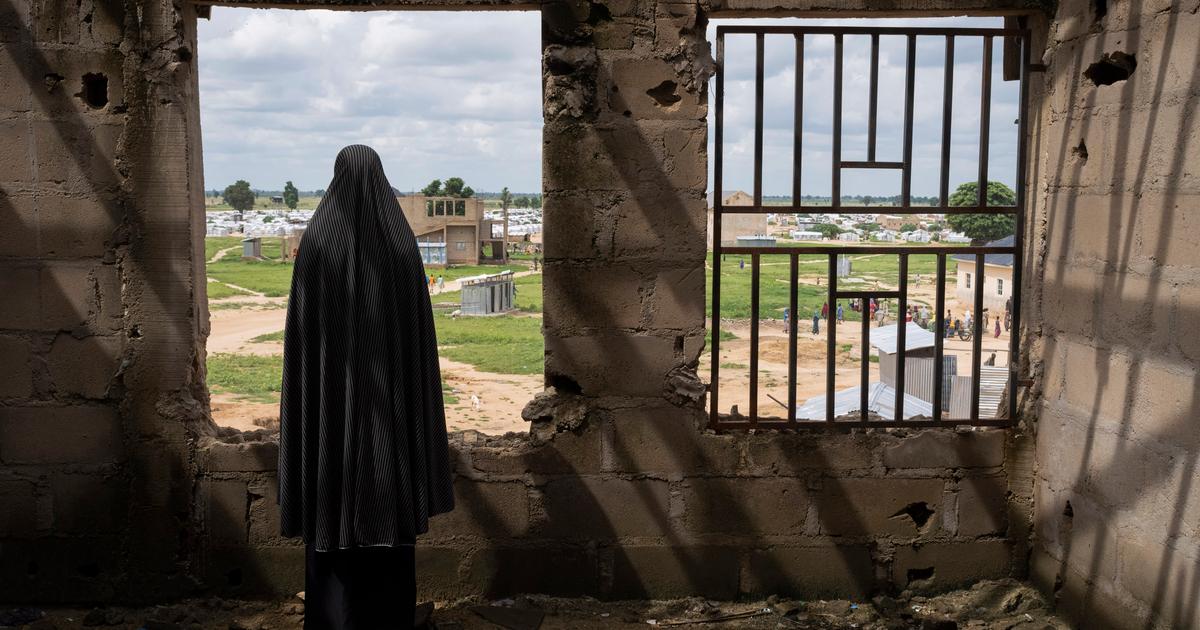

In the heart of Nigeria’s conflict-ridden northeast, three women—Aisha, Juliana, and Hauwa—share harrowing accounts of survival after being abducted by Boko Haram. Their stories, though rarely highlighted in global headlines, offer a rare glimpse into the enduring trauma endured by survivors of the extremist group’s reign of terror.
For Aisha, April 2014 began like any other evening. She was preparing a “stew, her children’s favorite meal,” in the village of Gamboru Ngala, Borno State, when armed insurgents stormed in. With no time to escape, she witnessed her brother’s murder before being forcibly taken. Held in a makeshift camp, she was later presented to a Boko Haram commander who declared her his wife. “Every night, they dragged me from the room to rape me,” she recounts. After two years of captivity—marked by forced marriages, repeated assaults, and three forced pregnancies—Aisha managed to flee during a Nigerian military offensive.
Survivors rejected by their own communities
Juliana’s ordeal began when she was just 15. Alongside her mother, she was abducted in Adamawa State and forced into servitude under Boko Haram. Her escape came two years later, facilitated by an elderly woman who helped her flee. Before her captivity, Juliana had dreamed of completing her education and pursuing a degree in computer engineering. Today, she carries the weight of lost ambitions and the constant reminder that “part of my heart remains trapped in the forest.”
Hauwa’s suffering spanned a decade. Subjected to three forced marriages and four pregnancies, she endured unimaginable abuse. Upon her return home, she faced rejection—not just from strangers but from her own family. “They call me ‘a Boko Haram wife,’ she says. My children are treated as outcasts, barred from playing with other kids.” The stigma she faces is a bitter reminder that liberation from captivity does not guarantee acceptance.
Beyond their personal battles, these women highlight a critical gap: the lack of rehabilitation programs for survivors. Initiatives aimed at reintegrating former captives into society are scarce, leaving many to grapple with trauma, shame, and isolation. Reports from The Panafrican Press emphasize how transitional justice could play a pivotal role in addressing the impunity surrounding gender-based violence and supporting survivors in rebuilding their lives.
Juliana’s reflection captures the collective sentiment: “People congratulate me for being free, but my soul is still captive. I am haunted by the women we left behind.”