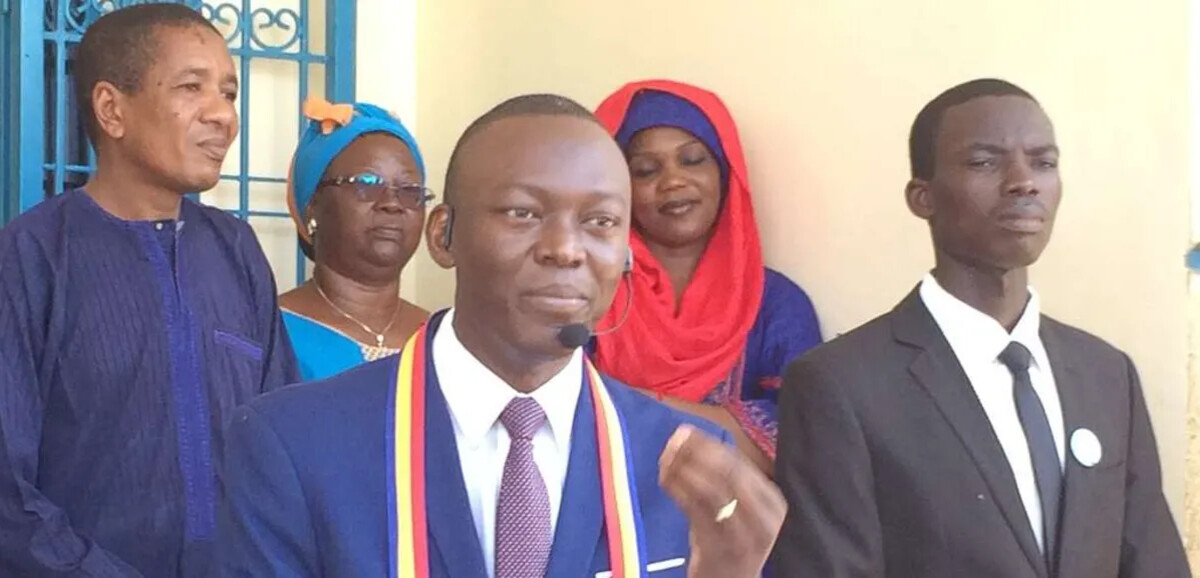
The Supreme Court of Chad has upheld the prison sentence against former Prime Minister and opposition figure Succès Masra, deepening political tensions in N’Djamena. The decision, delivered on May 21, follows a highly controversial trial that has drawn sharp criticism from human rights groups.
Supreme Court upholds harsh sentence
Succès Masra remains behind bars after the highest judicial body in Chad rejected his appeal, according to one of his defense attorneys. Me Francis Kadjilembaye confirmed that despite presenting robust legal arguments, the court maintained the original ruling. Masra was first arrested in May 2025 and later sentenced in August to 20 years in prison on charges of spreading hateful and xenophobic messages and complicity in murder.
NGOs condemn politically motivated trial
Human Rights Watch has described the legal proceedings against Masra as a “politically motivated prosecution.” In a strongly worded statement, the organization warned that his continued detention reflects the government’s growing intolerance toward dissent. Security around the Supreme Court in N’Djamena was unusually heavy during the hearing, with several journalists reportedly denied entry to the proceedings.
Worsening political climate in Chad
The ruling comes amid escalating political unrest in Chad. Earlier this month, eight opposition leaders were handed eight-year prison sentences—charges of insurrection among them. Authorities also dissolved the country’s largest opposition coalition shortly before these verdicts. Opposition parties continue to report systematic intimidation and bans on public demonstrations. In late April, a member of Masra’s party, Les Transformateurs, was fatally shot by police during a protest calling for his release.
From opposition leader to Prime Minister
An economist trained in France and Cameroon, Succès Masra rose to prominence as a vocal critic of President Mahamat Idriss Déby Itno. In 2024, he was unexpectedly appointed Prime Minister, only to resign and run against the president in the presidential election later that year. Official results credited Mahamat Déby with 61.3 percent of the vote, while Masra received 18.5 percent. Masra has since rejected the outcome, alleging electoral fraud and declaring himself the true victor.