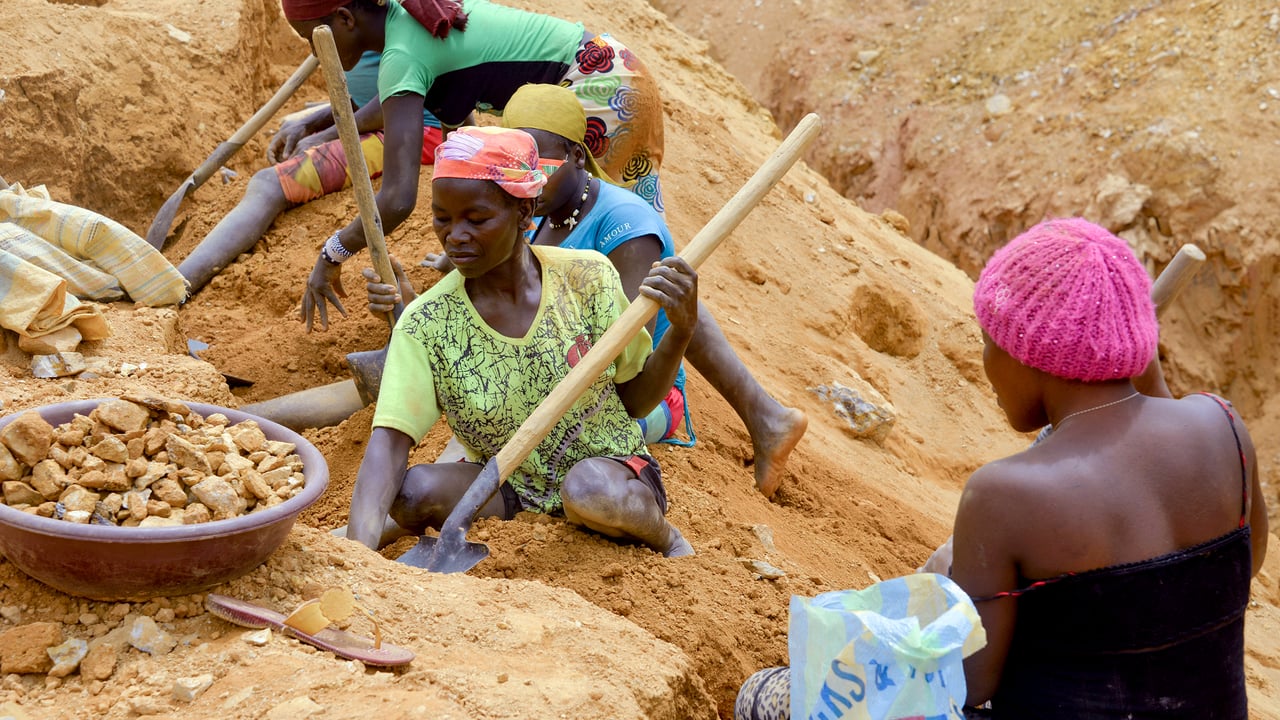

The recent catastrophic mine collapse at Zamboï in the Central African Republic has sent shockwaves across the region, casting a stark light on the often-perilous and largely unregulated gold mining sector. While the immediate tragedy unfolded in the CAR, its repercussions extend far beyond its borders, particularly drawing attention to the concerning abuses and illicit activities prevalent within the Cameroon gold sector.
The Zamboï disaster: a regional wake-up call
The devastating incident at the Zamboï mining site serves as a grim reminder of the human cost associated with informal gold extraction. Such collapses are tragically common in areas where safety protocols are nonexistent and miners operate under extremely hazardous conditions. This particular event, however, has ignited a broader discussion about the regional dynamics of gold exploitation, highlighting how instability and illicit trade routes in one nation can profoundly impact its neighbours. It’s a critical piece of African news today, demanding urgent attention to pan-African current affairs related to resource governance.
Unearthing issues in Cameroon’s gold sector
The spotlight now turns to Cameroon, a country grappling with its own significant challenges in managing its gold resources. The Zamboï tragedy underscores a pattern of widespread irregularities and exploitation that have long plagued Cameroon’s gold sector. From illegal mining operations to smuggling networks, the industry is rife with practices that undermine both the economy and the environment.
Sites like Bétaré-Oya, where artisanal gold panners are frequently observed, exemplify the informal nature of much of the activity. These operations, while providing livelihoods for many, often bypass official channels, leading to substantial revenue losses for the state. Furthermore, the lack of oversight contributes to severe environmental degradation, including deforestation and mercury pollution, posing long-term threats to local communities.
The illicit gold trade from Cameroon often finds its way into international markets, fueled by complex networks that exploit vulnerable populations and weak regulatory frameworks. This unregulated flow of resources not only deprives the nation of legitimate income but also contributes to regional insecurity and economic instability. Addressing these deep-seated issues requires a concerted effort to formalize the sector, enhance transparency, and enforce stringent safety and environmental standards.
Comments are closed, but trackbacks and pingbacks are open.