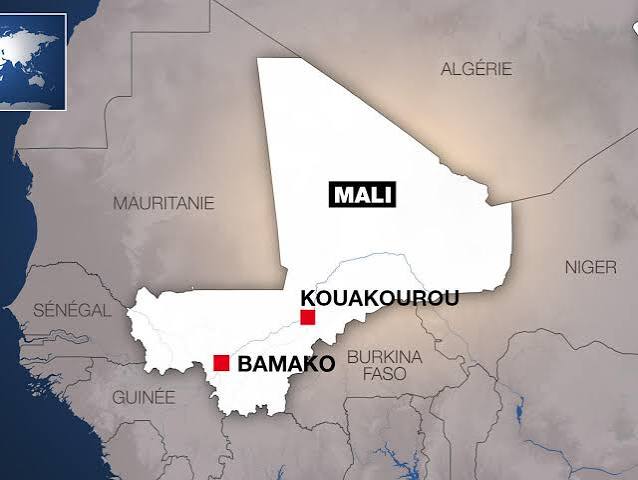
Thousands displaced from Kouakourou endure hardship in Mali
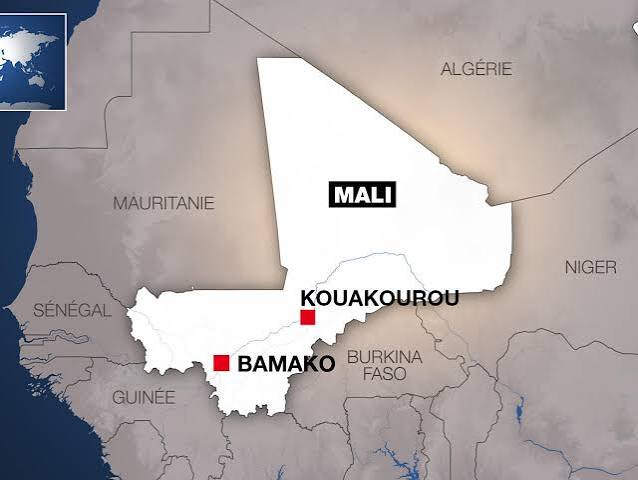
Weeks after evacuating Kouakourou in central Mali, thousands remain stranded in makeshift conditions following a forced exodus. The mass displacement began after an ultimatum from militants aligned with the Group for the Support of Islam and Muslims (JNIM), an Al-Qaeda affiliate, prompted residents to abandon their homes.
Evacuation routes and temporary shelters
Nearly 5,000 people fled Kouakourou, seeking refuge in neighboring villages, Djenné, Bamako, and Mopti. In Mopti, over 400 displaced families are housed in a local school repurposed as an emergency shelter. While food aid has been made available through community donors and municipal efforts, living conditions remain dire.
Overcrowding and worsening conditions
The school’s classrooms now serve as dormitories, forcing families to sleep in cramped spaces. With nowhere else to go, some have resorted to sleeping in the courtyard, especially during heavy rainfall. The situation grows more urgent as waterlogged grounds push everyone indoors, intensifying crowding and discomfort.
Losses and lingering trauma
Beyond physical hardship, displaced residents recount the trauma of abandoning their livelihoods. Many escaped with only the clothes on their backs, while others report having their phones confiscated by militants. The sudden loss of homes and possessions has left families in despair, struggling to rebuild their lives from scratch.
Impact on agriculture and uncertain future
The displacement coincides with the critical farming season, threatening food security for countless households. With fields left unattended, the upcoming harvest—a lifeline for many—now hangs in the balance. While the dream of returning to Kouakourou persists, the prevailing security threats continue to stall any hope of a swift comeback.
Comments are closed, but trackbacks and pingbacks are open.