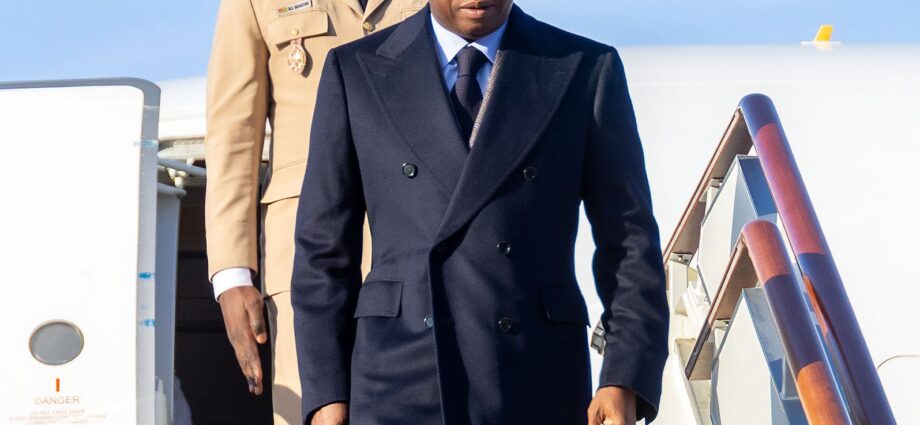
Faure Gnassingbé marks a turning point with high-stakes Moscow summit
The Togolese president, Faure Gnassingbé, is set to make a bold strategic move this October 2026 by attending the third Russia-Africa Summit in Moscow. This landmark gathering, following the 2019 Sochi and 2023 Saint Petersburg editions, brings together African leaders and global investors to reshape trade and development dynamics across the continent.
For Lomé, the summit represents more than a diplomatic engagement—it’s a momentum-building opportunity to accelerate key national priorities. From food security to agricultural input supply, energy diversification, and youth upskilling in technology, the Togolese delegation will push for concrete partnerships that align with the country’s long-term economic roadmap.
At the heart of this push is Togo’s ambition to leverage its logistics and port infrastructure to emerge as a critical gateway for West African trade. The summit offers the perfect platform to showcase these assets—especially as competitors in the subregion race to secure foreign investments.
From dialogue to action: the road to Moscow
Togo’s participation isn’t a spontaneous decision—it’s the result of months of bilateral groundwork. The first Togo-Russia Joint Commission, held in Lomé in late September 2026, laid the groundwork for high-impact cooperation. This summit also follows Faure Gnassingbé’s landmark state visit to Moscow in November 2025, which opened the door to deeper economic and security collaborations.
The timing of this engagement speaks volumes. In a region where geopolitical currents are shifting rapidly, Togo is doubling down on strategic partnerships that prioritize sustainable investment, technology transfer, and regional integration. The summit isn’t just about rhetoric—it’s about forging tangible deals that will shape Togo’s economy for years to come.
What’s on the agenda for Togo?
- Port and logistics expansion: Showcasing the Lomé Port and Togolese free zones as hubs for regional trade and transit.
- Agricultural transformation: Securing partnerships for fertilizer supply, crop productivity, and mechanized farming solutions.
- Energy independence: Exploring Russian expertise in nuclear and renewable energy to diversify Togo’s power mix.
- Youth and digital economy: Tapping into Russian IT and vocational training programs to equip the next generation with in-demand skills.
- Security cooperation: Strengthening ties on counter-terrorism and maritime security to protect Togo’s coastal assets.
Why this summit matters more than ever for Togo
The Russia-Africa Summit is evolving from a diplomatic forum into a game-changing economic catalyst. For Togo, the stakes are clear: diversify partnerships beyond traditional allies, attract high-value investments, and position itself as a bridge between Africa and Eurasia.
With global supply chains realigning and new trade corridors emerging, Lomé understands that inaction is not an option. The decisions made in Moscow could redefine the country’s economic trajectory—turning Togo into a model of agile, forward-thinking diplomacy.
Breaking new ground
Faure Gnassingbé’s presence in Moscow sends a powerful signal: Togo is ready to move beyond dialogue and accelerate implementation. The summit provides the perfect backdrop to turn long-held ambitions into concrete, measurable progress—forging alliances that will fuel growth, innovation, and stability across the region.
Comments are closed, but trackbacks and pingbacks are open.