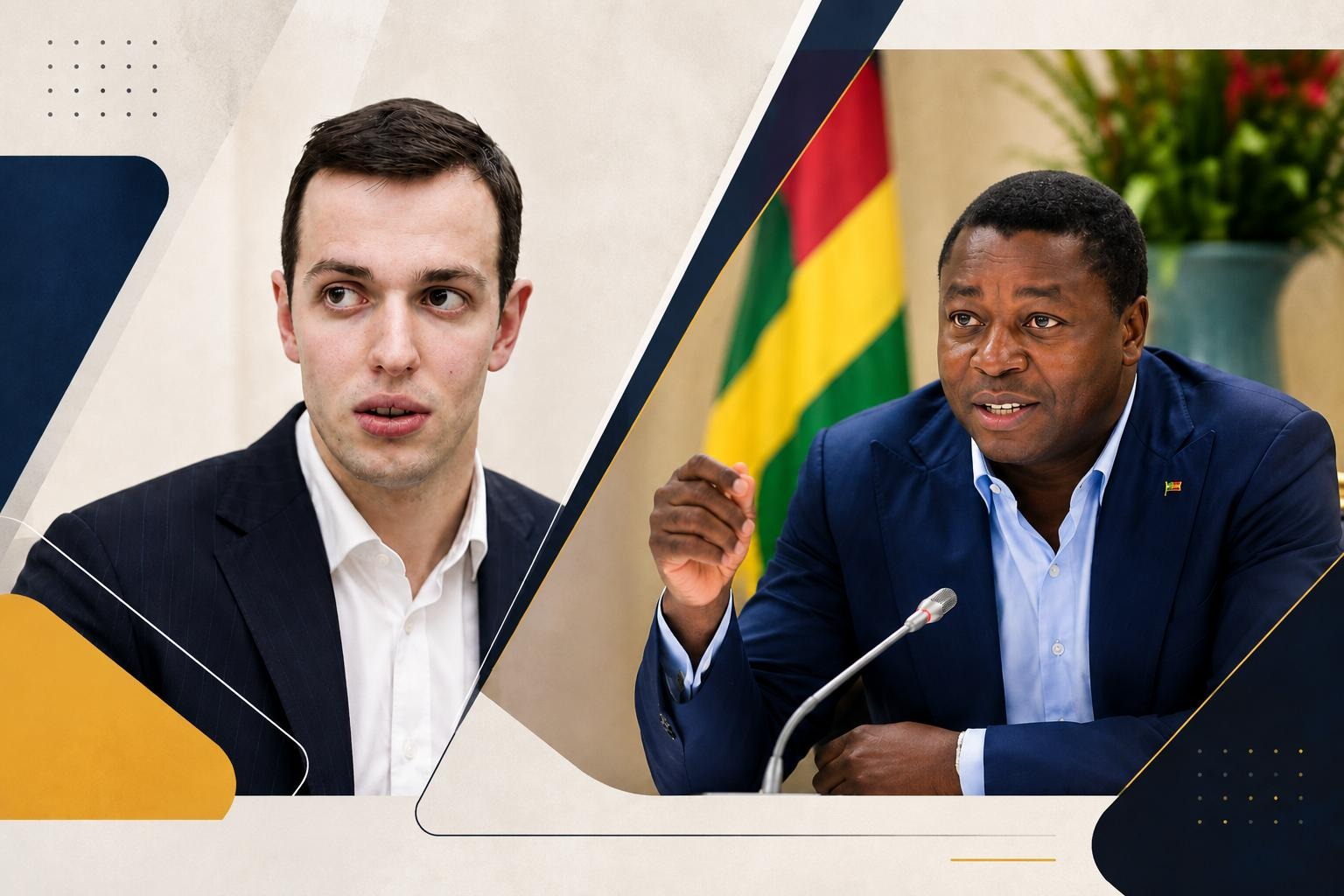
The long-running political and media saga surrounding mass surveillance in Togo has just entered a new and explosive phase. In his latest investigative report, journalist Thomas Dietrich drops a bombshell claim: an alleged secret pact between President Faure Gnassingbé and the influential Yatom family, whose patriarch, Dany Yatom, formerly led Israel’s top intelligence agency. According to Dietrich, the Togolese head of state has outsourced critical aspects of the country’s security architecture—including mass surveillance capabilities—to this privately held Israeli intelligence firm.
Faure Gnassingbé’s shadowy security contract with the Yatom clan
The allegations go far beyond mere suspicion; they paint a picture of a state willingly surrendering its sovereignty to foreign operatives. By entrusting sensitive intelligence operations to former Israeli intelligence chiefs, the Togolese regime appears to have embraced extreme measures to protect its grip on power. This is not about national defense—it is about regime survival at any cost.
For nearly six decades, the Gnassingbé dynasty has clung to power through a mix of repression and control. Now, the president’s reported reliance on external private intelligence firms signals a dangerous new low. Such arrangements not only undermine Togo’s national sovereignty but also normalize the systematic monitoring of citizens, activists, and opposition figures. The move echoes global controversies around tools like Pegasus, yet in this case, the surveillance apparatus is allegedly operated by foreign mercenaries of intelligence, not by domestic agencies.
The pitfalls of sensationalist journalism in exposing state crimes
Yet as damning as these claims may be, the method of their revelation raises serious concerns. Thomas Dietrich’s approach leans heavily toward digital spectacle rather than meticulous investigative reporting. Publicly naming foreign intelligence agencies and their alleged local collaborators without simultaneously releasing verifiable evidence—such as signed contracts, financial trails, or leaked internal documents—risks diluting the impact of the story.
Known for his confrontational style and frequent clashes with African dictatorships, Dietrich often prioritizes shock value and personal branding over rigorous fact-checking. While his intentions may be noble, this approach plays directly into the hands of the Lomé regime, which can easily dismiss the allegations as part of a Western media conspiracy. Such tactics not only weaken the credibility of the scoop but also endanger local journalists and activists who risk their lives documenting state abuses with far greater care and discretion.
A toxic cycle of propaganda and performance
What emerges is a dangerous symbiosis: President Gnassingbé uses foreign journalists’ aggressive coverage as propaganda fodder, whipping up fears of destabilization to justify further crackdowns on dissent. Meanwhile, Dietrich finds in the figure of the tech-savvy autocrat the perfect villain to fuel his narrative and bolster his image as a fearless crusader for truth.
As this media duel plays out across social media feeds, ordinary Togolese citizens remain the forgotten casualties. Trapped under a web of foreign surveillance technologies and deprived of meaningful democratic debate, they face a grim reality: a state that prioritizes self-preservation over the wellbeing of its people. Real progress toward transparency and liberty in Togo demands cold, hard facts—not shadowy alliances between paranoid rulers and headline-chasing reporters.
Comments are closed, but trackbacks and pingbacks are open.