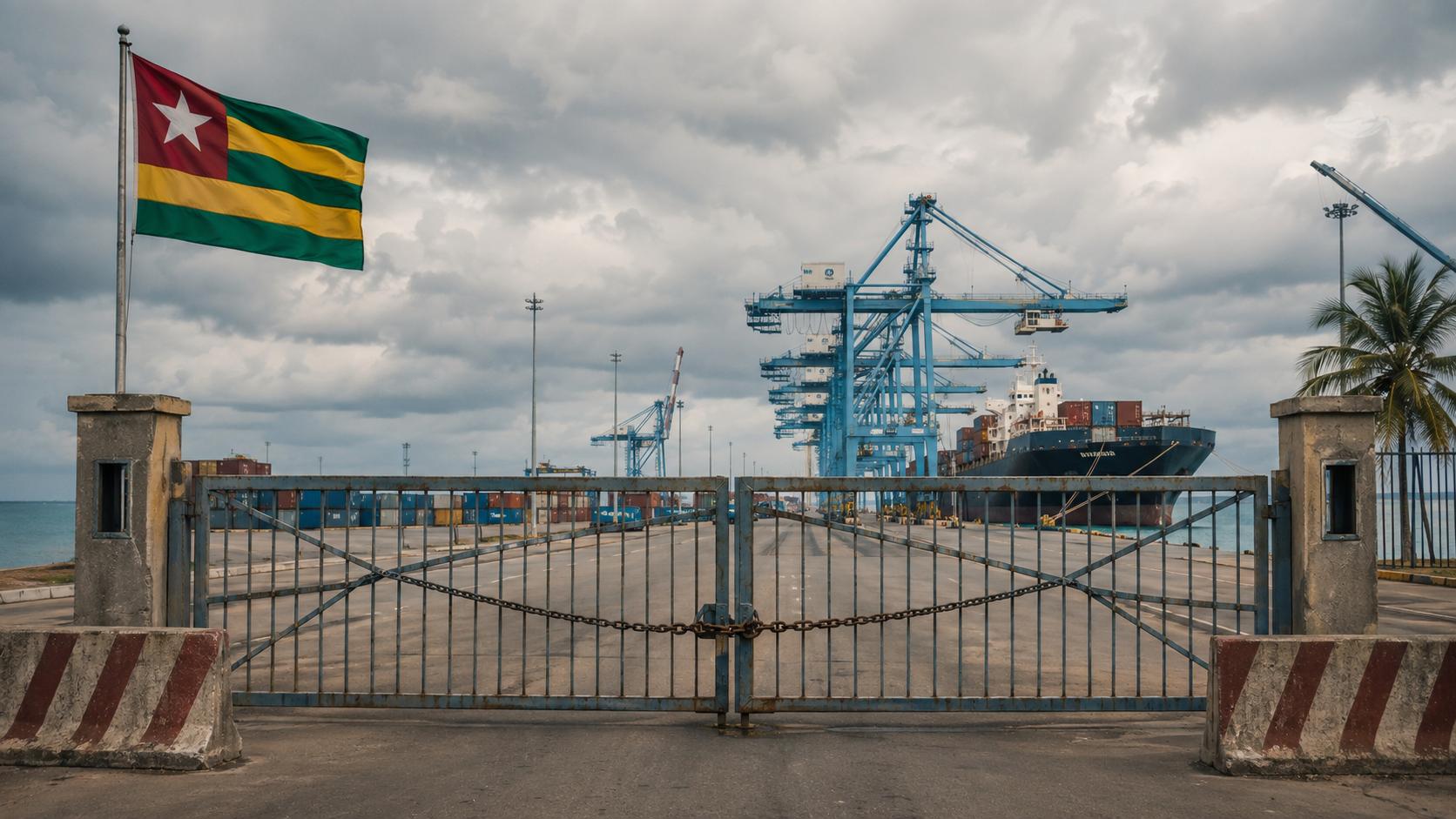
The Port Autonome de Lomé has been operating at a fraction of its capacity since Tuesday, August 11, 2026, at 5:00 AM, following a 72-hour strike called by the Syndicat des Agents du Port Autonome de Lomé (SYAPAL). The industrial action, set to conclude at 11:59 PM on Thursday, August 13, has cast a shadow over the Togo’s economic engine and sent ripples across West Africa’s trade networks.
Deep-rooted grievances spark unprecedented labor dispute
The strike stems from long-simmering disputes over wages, career progression, and compliance with labor regulations governing port personnel. SYAPAL members are demanding tangible reforms, including revised compensation packages, career regularization, and strict adherence to established protocols. The situation escalated after multiple failed attempts at dialogue, despite the appointment of Kokou Edem Tengue as the new Port Director in July.
The union has accused port authorities of engaging in superficial discussions, with no meaningful concessions offered. What began as a symbolic preemptive strike in June has now evolved into a full-blown confrontation, with workers refusing to back down until their demands are met.
Rising stakes: what happens if negotiations fail?
While the current strike is limited to 72 hours, the consequences of prolonged inaction could be severe. Industry insiders warn of several potential outcomes if the dispute drags on:
- Prolonged paralysis: The union has not ruled out extending the strike indefinitely, which would bring all port operations—including cargo handling, stevedoring, and consignment removals—to a complete halt.
- Logistical chaos: As a critical transshipment hub in West Africa, any prolonged disruption at the Port Autonome de Lomé could trigger a domino effect. Container terminals may become overwhelmed, shipping companies could reroute vessels to competing ports, and freight costs could surge.
- Regional economic fallout: The port serves as a vital lifeline for landlocked nations such as Burkina Faso, Niger, and Mali. A sustained shutdown would delay essential supplies, exacerbate inflation, and strain economies already grappling with supply chain instability.
Government and port leadership under mounting pressure
With the clock ticking, both the Togolese government and the Port Autonome de Lomé’s leadership face increasing urgency to engage in substantive, inclusive negotiations with SYAPAL representatives. Failure to reach a resolution before the strike’s expiration could plunge the region into a prolonged economic crisis, with far-reaching consequences for trade, commerce, and regional stability.
Comments are closed, but trackbacks and pingbacks are open.