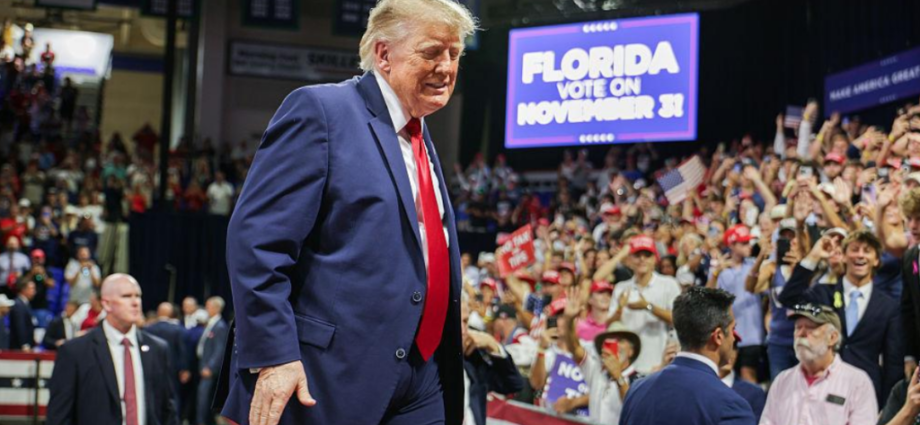
The United States launched precision strikes against Iranian targets in the Strait of Hormuz on Monday, November 2—a bold move just hours before critical midterm elections that could reshape Donald Trump’s political legacy.
Washington confirmed the operation, conducted on Qeshm Island, as a defensive response to escalating threats in the region. But the timing raises immediate questions: Why now, just before a pivotal vote where economic concerns and voter discontent are already dominating the campaign?
This latest military action contradicts recent assertions by Trump that no offensive moves would occur before Election Day. The contradiction has fueled Democratic attacks, framing foreign policy as a liability rather than an asset in the closing hours of the race.
Midterms under the shadow of military escalation
Midterm elections serve as a referendum on presidential performance, allowing voters to weigh in on economic policy, governance, and national security. For Trump, the stakes are especially high—a Republican loss could paralyze his agenda, block key legislative efforts, and reshape America’s global posture.
But public opinion is not on his side. Recent polls show overwhelming disapproval of continued military engagement, with only 31% supporting conflict against Iran—a sharp contrast to 63% who oppose it. Voters cite rising fuel prices and economic strain as top concerns, translating into a potential electoral penalty at the polls.
Oil supply fears: how one strait fuels global anxietyThe Strait of Hormuz isn’t just a military flashpoint—it’s a vital artery of the global economy. Roughly one-fifth of the world’s oil passes through this narrow waterway, linking Persian Gulf producers to global markets. Iran’s repeated disruptions have already fueled price volatility; any escalation risks a fresh surge in gasoline costs at home.
For American families already squeezed by inflation, the prospect of higher energy prices looms as a direct threat to household budgets. Democrats are likely to weaponize this fear, blaming Trump’s foreign policy choices for stoking instability and economic pain.Republican divide: strength vs. stability
Within the GOP, opinions are divided. Hardline supporters cheer Trump’s show of force, believing it deters adversaries. But moderates and fiscal conservatives fear prolonged conflict will drain resources and erode voter confidence. Internal party tensions risk overshadowing campaign messages on the economy and domestic priorities.
The White House insists the strikes are calibrated and necessary. Yet the timing—just days before balloting—suggests a high-risk gamble to appeal to national security hawks, even at the risk of fueling broader unease among swing voters.
Election day verdict: military action meets voter judgment
The November 3 midterms will decide whether Americans view Trump’s last-minute military move as a decisive act of leadership—or a reckless distraction from pressing domestic issues.
While no single incident will determine the final outcome, the Strait of Hormuz strikes have injected fresh volatility into an already charged political atmosphere. For Trump, the gamble is clear: show strength abroad, but risk alienating voters at home who are more concerned with kitchen-table economics than geopolitical posturing.The ballot box will reveal whether voters reward audacity—or punish it.
Comments are closed, but trackbacks and pingbacks are open.