End of an ordeal: Two Europeans released after 18 months in Niger
After enduring over 18 months of captivity, Austrian Eva Gretzmacher and Swiss national Claudia Abbt have been freed. Their release, confirmed on October 21, marks the conclusion of a prolonged ordeal that has highlighted persistent security threats in the Sahel region. The two women were transferred to Benghazi, Libya, where handover procedures to their respective governments are underway.
Agadez: A hotspot for kidnappings in northern Niger
Gretzmacher’s abduction occurred in January 2025 in Agadez, a key city in northern Niger known for its role in trans-Saharan trade and migration routes. Abbt, a Swiss citizen, was kidnapped in the same city three months later. Both incidents underscored the growing risks faced by foreigners in urban centers once considered relatively stable.
The prolonged duration of their captivity points to the challenges of securing hostage releases in a region where armed groups exploit porous borders and weak security infrastructures. While some reports suggest possible links to the Islamic State in the Sahel, definitive evidence remains elusive.
Libya’s rising influence in regional hostage negotiations
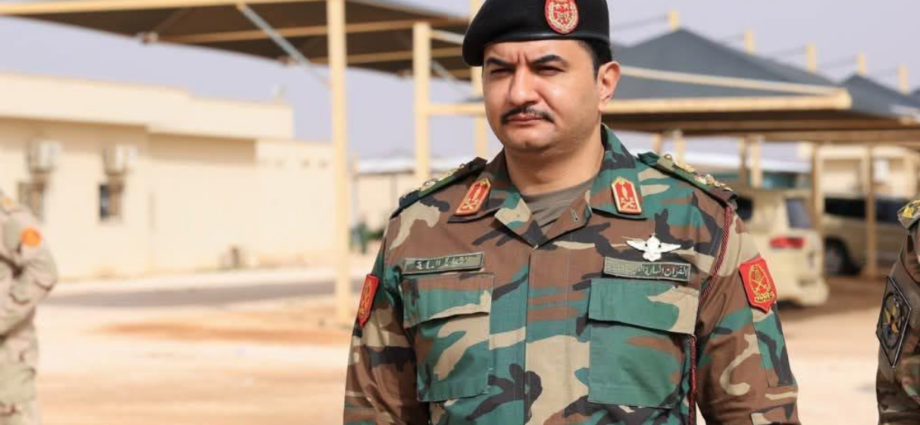
The release process led to Benghazi, a stronghold of Libyan military leader Khalifa Haftar. Reports indicate that mediators linked to his administration played a key role in facilitating the handover. The engagement of Haftar’s son, Saddam Haftar, was notably mentioned, though specifics of the negotiations remain undisclosed.
This development reflects Libya’s evolving but still fragmented role in Sahel security dynamics. Despite internal divisions, the country remains a critical hub for cross-border movements, armed group activities, and clandestine negotiations. For eastern Libyan authorities, such operations could serve as a diplomatic opportunity to demonstrate regional influence beyond their borders.
Niger’s growing kidnapping crisis raises international alarms
The liberation of Gretzmacher and Abbt provides temporary relief, but it does little to address the underlying security crisis in Niger. The nation faces escalating violence from jihadist groups, particularly along its northern borders and in areas like Agadez. The vast, sparsely monitored desert terrain presents formidable challenges for security forces attempting to curb kidnappings and attacks.
International advisories reflect the severity of the threat. Updated travel warnings, including those from European and North American governments, strongly discourage visits to Niger due to terrorism and kidnapping risks. These alerts underscore the persistent vulnerabilities of foreigners operating in the region.
Unanswered questions linger over the release
While the end of Gretzmacher and Abbt’s ordeal is welcome, major questions remain unanswered. The identities of their captors, the exact negotiation channels used, and the conditions of their release are still unknown. Without official details, speculation about the mechanisms behind their freedom remains inconclusive.
One certainty remains: hostage releases in the Sahel often rely on complex, behind-the-scenes channels that transcend national borders. For now, Eva Gretzmacher and Claudia Abbt are free. For governments across the region, the challenge of preventing future abductions and enhancing security cooperation remains as urgent as ever.
Comments are closed, but trackbacks and pingbacks are open.