Assessing the Alliance of Sahel States Two Years On
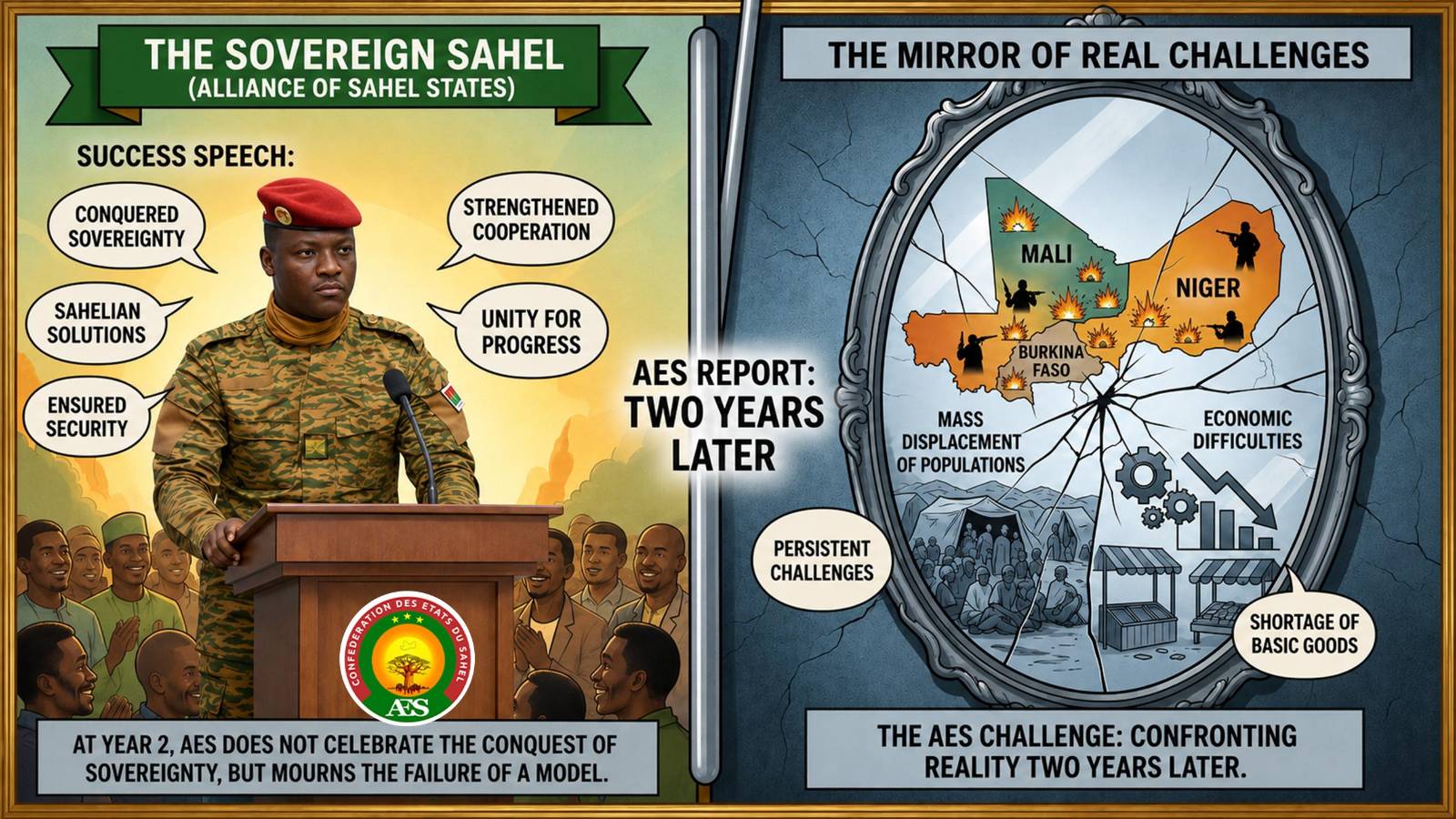
The Alliance of Sahel States (AES) marked its second anniversary this year, with its leaders, including Captain Ibrahim Traoré, framing the confederation as a political and strategic triumph rooted in sovereignty, solidarity, and regional cooperation among Burkina Faso, Mali, and Niger. While this narrative resonates with a segment of the public, skepticism persists among those seeking concrete progress.
Diplomatic and Institutional Progress: A Work in Progress
The AES leadership asserts that significant strides have been made in diplomacy, military coordination, and institutional development. However, the persistent challenges that initially spurred the alliance’s formation remain largely unresolved on the ground.
The Sovereignty Paradox: Rhetoric vs Reality
Sovereignty has emerged as the cornerstone of the AES’s political messaging. Yet, true sovereignty extends beyond mere diplomatic realignment; it is fundamentally about a state’s ability to safeguard its people, uphold institutions, sustain economic stability, and empower its youth. Currently, the AES’s performance in these areas falls short of expectations.
The security situation remains precarious, with armed groups continuing to operate in multiple regions across the three countries. Civilian displacement and humanitarian crises persist, casting a shadow over the alliance’s claims of progress. Economically, the promised benefits of regional integration have yet to materialize. Trade flows remain sluggish, fiscal constraints endure, and purchasing power continues to decline for many households. Critics argue that the AES’s envisioned advantages remain largely aspirational rather than tangible.
Governance and Public Trust: The Missing Link
The relentless focus on political independence often overshadows critical governance issues such as accountability, transparency, and institutional efficacy. For the AES to earn the enduring trust of its citizens, it must demonstrate not only political resolve but also the delivery of essential services—security, healthcare, education, employment, and infrastructure. These are the true benchmarks of effective governance.
A New Chapter Awaits
Two years into its existence, the AES undeniably represents a watershed moment in West African geopolitics. Yet, its legacy will not be shaped by pronouncements alone. The alliance’s success hinges on its capacity to translate vision into action, delivering measurable improvements in the lives of the people of Burkina Faso, Mali, and Niger. Until then, the discourse on sovereignty, while compelling, risks remaining an unfulfilled promise.