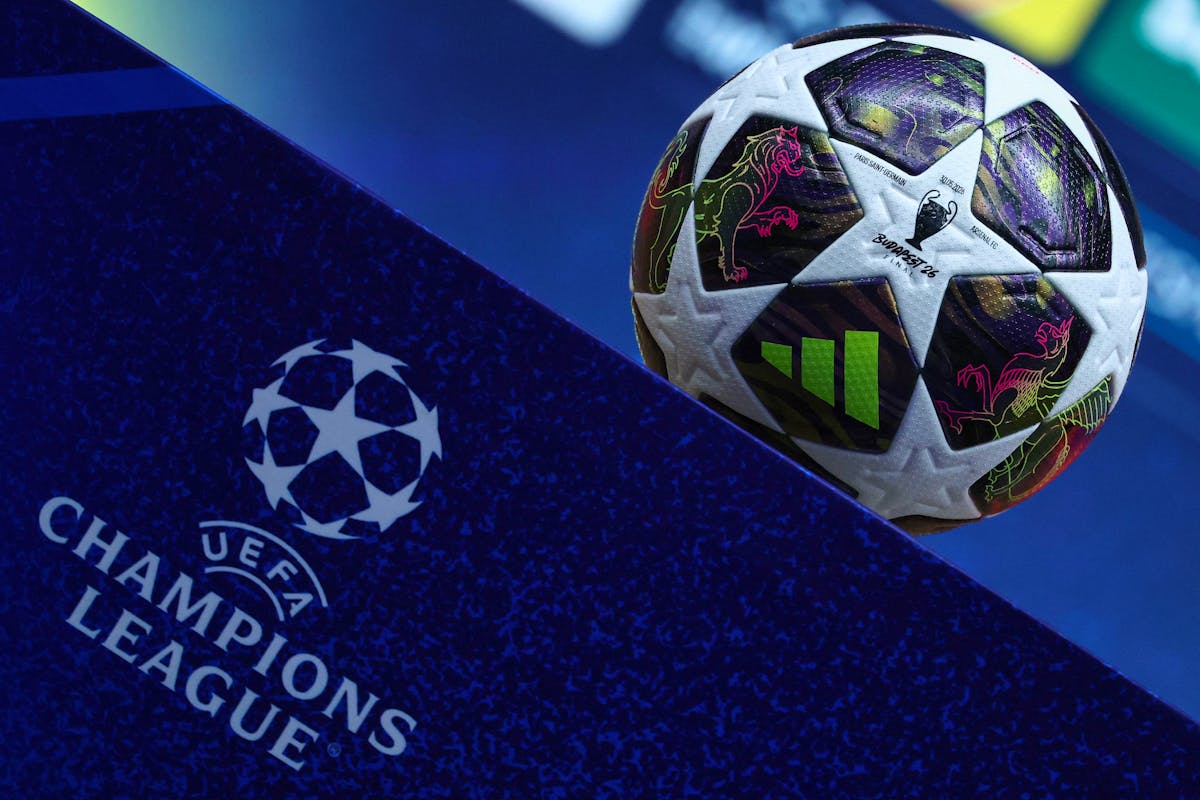
The highly anticipated Champions League final between Paris Saint-Germain and Arsenal, set to take place in Budapest this Saturday, will kick off at 6pm instead of the usual 9pm slot. The UEFA has outlined the strategic advantages behind this schedule change, which will also apply to all future finals.
Why the early kick-off?
Announced back in late August, this adjustment aims to streamline logistical operations for teams, organizers, and broadcasters while enhancing the experience for fans. Though initially subtle, its impact will be felt across all aspects of the event.
A lighter schedule for the clubs
The 6pm start allows players to wrap up earlier after a grueling season, reducing travel fatigue and recovery time. This shift also eases coordination for team staff, ensuring smoother preparations ahead of the match.
The logistics around the stadium benefit as well. With more daylight remaining, ground crews and emergency services face fewer time constraints, and broadcasters gain additional setup time for production and commentary.
More time for fans and local economy
For supporters, the earlier time means extended opportunities to celebrate a potential victory in nearby bars and restaurants. The UEFA emphasizes that this change fosters local commerce in the host city, giving spectators more time to enjoy the post-match atmosphere without rushing.
Families watching at home in Europe will also appreciate the more family-friendly timing, especially for younger viewers who can stay up later without disrupting their routines. Media discussions and post-match analysis will have more breathing room as well.
Boosting global viewership
Another key benefit targets fans in Asia, a growing and lucrative market for European football. Previous finals at 9pm forced Asian audiences to wake up in the middle of the night. The new schedule aligns better with their local prime time, making the event more accessible and engaging.
The UEFA has framed this as a long-term strategy, ensuring the Champions League final remains a global spectacle while balancing the needs of players, fans, and broadcasters alike.