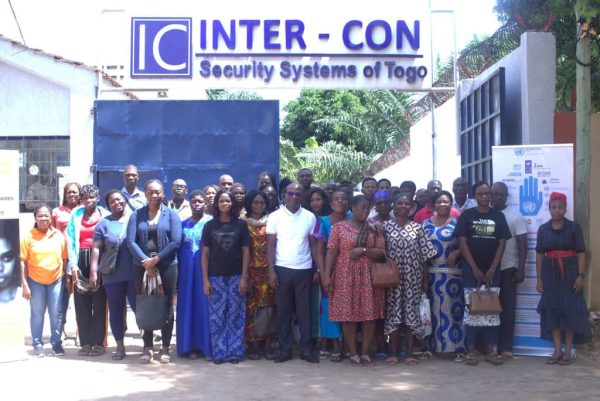
In Lomé, nearly one hundred security professionals from Intercon Security, a key service provider for the United Nations System, recently completed an intensive training program. This vital initiative focused on combating sexual abuse and fostering disability inclusion, aiming to align on-the-ground security operations with the fundamental ethical principles of the global institution.
LOMÉ, June 29, 2026 – Beyond merely safeguarding diplomatic facilities, the mandate extends to embodying the values of respect and human dignity that these institutions uphold. It was with this dual imperative in mind that the United Nations Resident Coordinator’s Office in Togo, in close collaboration with UNFPA-Togo, orchestrated a significant training session from June 25 to 27, 2026, right here in Lomé.
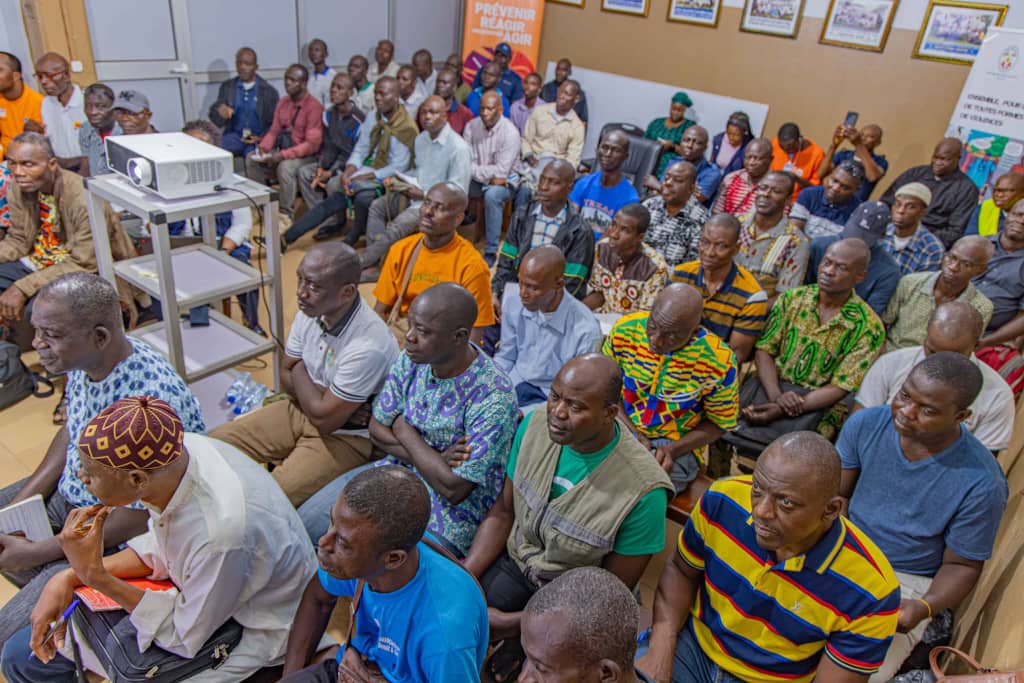
A total of 95 agents from Intercon Security, who form the backbone of daily security for UN agencies across the nation, received comprehensive instruction on international standards concerning human rights and professional ethics.
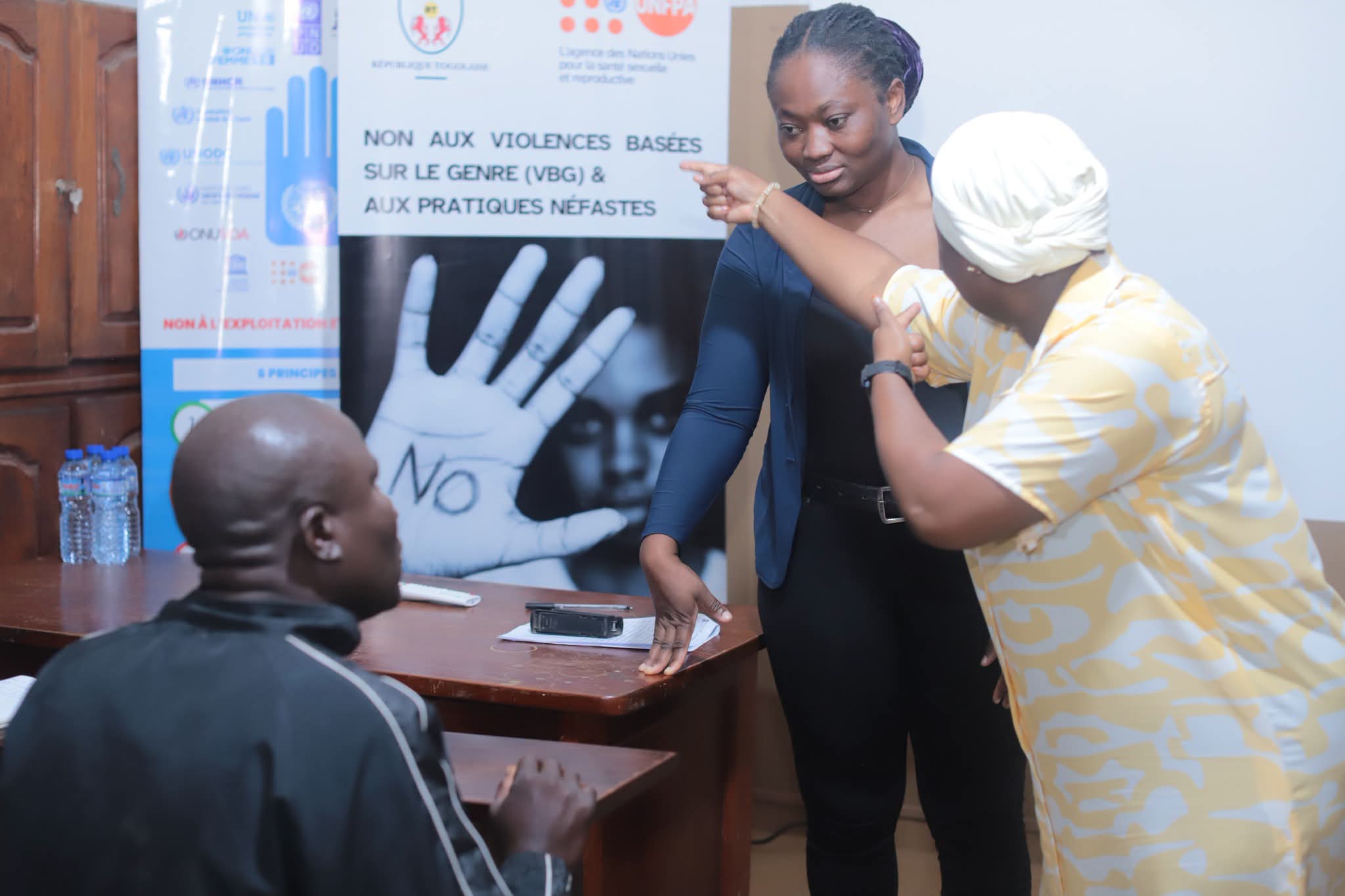
Security’s role in preventing exploitation and abuse (PSEA)
In their frontline roles, security personnel serve as much more than mere guards; they represent the initial point of contact for the public, partners, and vulnerable individuals. Recognizing these critical interactions, the United Nations maintains a strict zero-tolerance policy against misconduct.
Consequently, the intensive two-day curriculum extensively covered the Protection against Sexual Exploitation and Abuse (PSEA) and strategies to combat Gender-Based Violence (GBV).
Throughout these sessions, participants engaged in practical case studies and reviewed legal frameworks, equipping them with essential skills across four primary areas:
- Grasping fundamental regulations: A thorough understanding of the stringent ethical guidelines governing every interaction within UN workplaces.
- Implementing best practices: Translating theoretical knowledge into impeccable professional conduct and immediate responses in daily scenarios.
- Identifying prohibited behaviors: Rigorously recognizing subtle indicators and overt instances of misconduct, including harassment, abuse of power, and discrimination.
- Mastering reporting channels: Familiarizing themselves with and utilizing internal mechanisms for reporting violations, while steadfastly ensuring anonymity and safeguarding victims.
“The respect for the rights and dignity of all, especially the most vulnerable in the workplace, is not optional. It is everyone’s responsibility, starting with those who protect our spaces,” a guiding principle emphasized by the organizers.
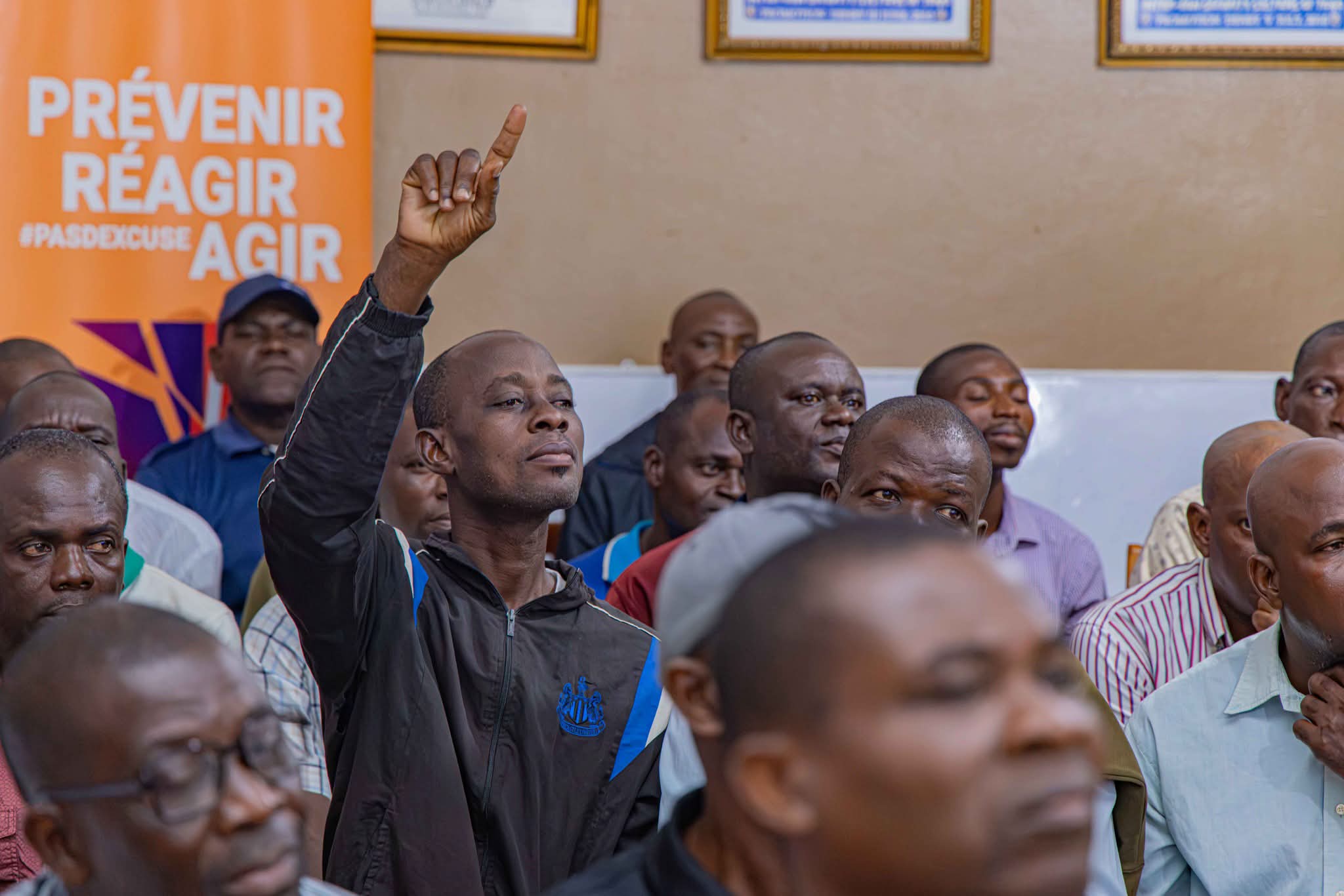
Fostering a new perspective on disability inclusion
To further enhance an inclusive environment, the agents received specific training on protocols for courteously welcoming and assisting individuals with disabilities. This ensures that all United Nations premises remain universally accessible, inclusive, and protective spaces for everyone.
Ultimately, by investing in the comprehensive training of its frontline service providers, the United Nations System in Togo sends a powerful message. Security is not solely defined by the robustness of physical infrastructure but equally by the integrity, professionalism, and inclusivity demonstrated by the men and women who embody these values. This commitment reflects positively on African society news, highlighting efforts towards a more just and equitable environment across the continent.
Comments are closed, but trackbacks and pingbacks are open.