United Nations warns of unprecedented human rights crisis in eastern Democratic Republic of Congo
The human rights situation in the eastern regions of the Democratic Republic of Congo (DRC) has reached a “level of exceptional severity,” the United Nations Independent Investigation Commission warned in a landmark update delivered to the Human Rights Council in Geneva.
The Commission’s findings paint a grim picture of escalating violence, mass displacement, and collapsing public institutions in the provinces of North Kivu and South Kivu. The investigation highlights a deepening security vacuum, fueled by ongoing regional conflict and systemic failures in governance.
“The evidence before us confirms a crisis of extraordinary gravity,” stated Arnauld Akodjenou, Chair of the Commission. “The scale and nature of the abuses reported demand immediate international attention.”
Patterns of extreme violence and systemic abuse
The investigation documents harrowing accounts of civilian suffering, including widespread sexual violence linked to the conflict, with reports of sexual slavery and forced marriages. Arbitrary arrests, extrajudicial killings, and the forced recruitment of adults and children—particularly minors—have also been documented.
Civilian infrastructure has been systematically targeted, with attacks on schools, hospitals, and other essential services depriving communities of basic safety and dignity. The Commission emphasized that displaced persons, women, children, and marginalized groups are disproportionately affected by the violence and lack adequate protection.
“We have received deeply disturbing testimonies regarding children and sexual violence linked to the conflict,” Akodjenou emphasized. “These crimes are not isolated incidents but part of a broader pattern of impunity.”
Humanitarian access under threat
The crisis is further compounded by severe restrictions on humanitarian aid delivery. In detention facilities, reports of torture and violations of due process have emerged, raising concerns over systemic failures in the rule of law. The Commission warned that aid workers and local human rights defenders are increasingly exposed to retaliation for their efforts to document abuses.
“No individual or organization should face reprisals for cooperating with UN mechanisms,” warned Commissioner Clément Voule.
Preliminary findings and ongoing challenges
Established by the Human Rights Council, the Commission is mandated to investigate alleged violations of international humanitarian law and human rights in eastern DRC. Its investigations remain in an early phase, with no presumptions made regarding facts or accountability.
“Our priority is to center the voices of victims and survivors,” stated Commissioner Maxine Marcus. “We are building a foundation for justice, not making premature judgments.”
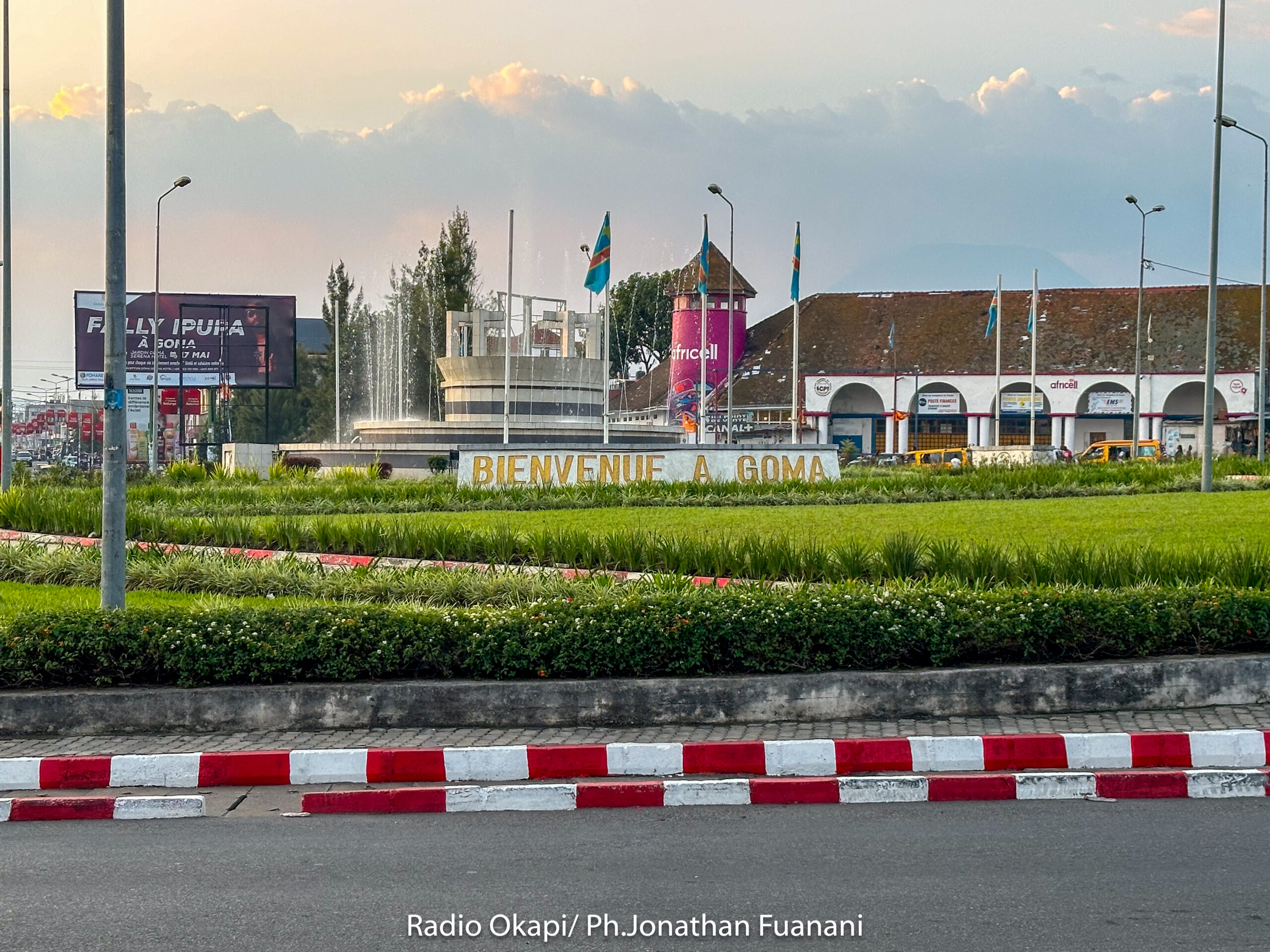
Since the launch of its mandate, the Commission has conducted over 50 virtual consultations and 30 in-person meetings with stakeholders, including survivors, civil society organizations, government representatives, and international partners. Despite these efforts, security constraints have prevented investigators from accessing Goma and other affected areas in the east. Plans for future field visits are underway, pending improved conditions.
A multidimensional catastrophe
Beyond the immediate violence, the Commission describes a crisis that has engulfed nearly every aspect of life in the region. Education systems, healthcare delivery, economic stability, and governance structures are all collapsing under the weight of displacement, ongoing conflict, and health emergencies such as the Ebola outbreak.
The UN body has issued an urgent call for all parties to the conflict to ensure safe, unimpeded humanitarian access, particularly for vulnerable groups. “The suffering documented requires more than concern—it demands rigorous investigation and decisive international action,” Akodjenou concluded.
Recommendations for urgent intervention
The Commission has outlined key steps to address the crisis:
- Establish and safeguard humanitarian corridors to ensure aid reaches those in need;
- Protect human rights defenders and local monitors from retaliation and violence;
- Support independent, credible investigations to establish accountability;
- Strengthen mechanisms to prevent sexual and gender-based violence, especially against children.
The Commission reaffirmed its commitment to conducting thorough, impartial investigations to uncover the truth and contribute to justice. With the expectations of victims and survivors running high, the need for decisive action has never been more urgent.
Comments are closed, but trackbacks and pingbacks are open.