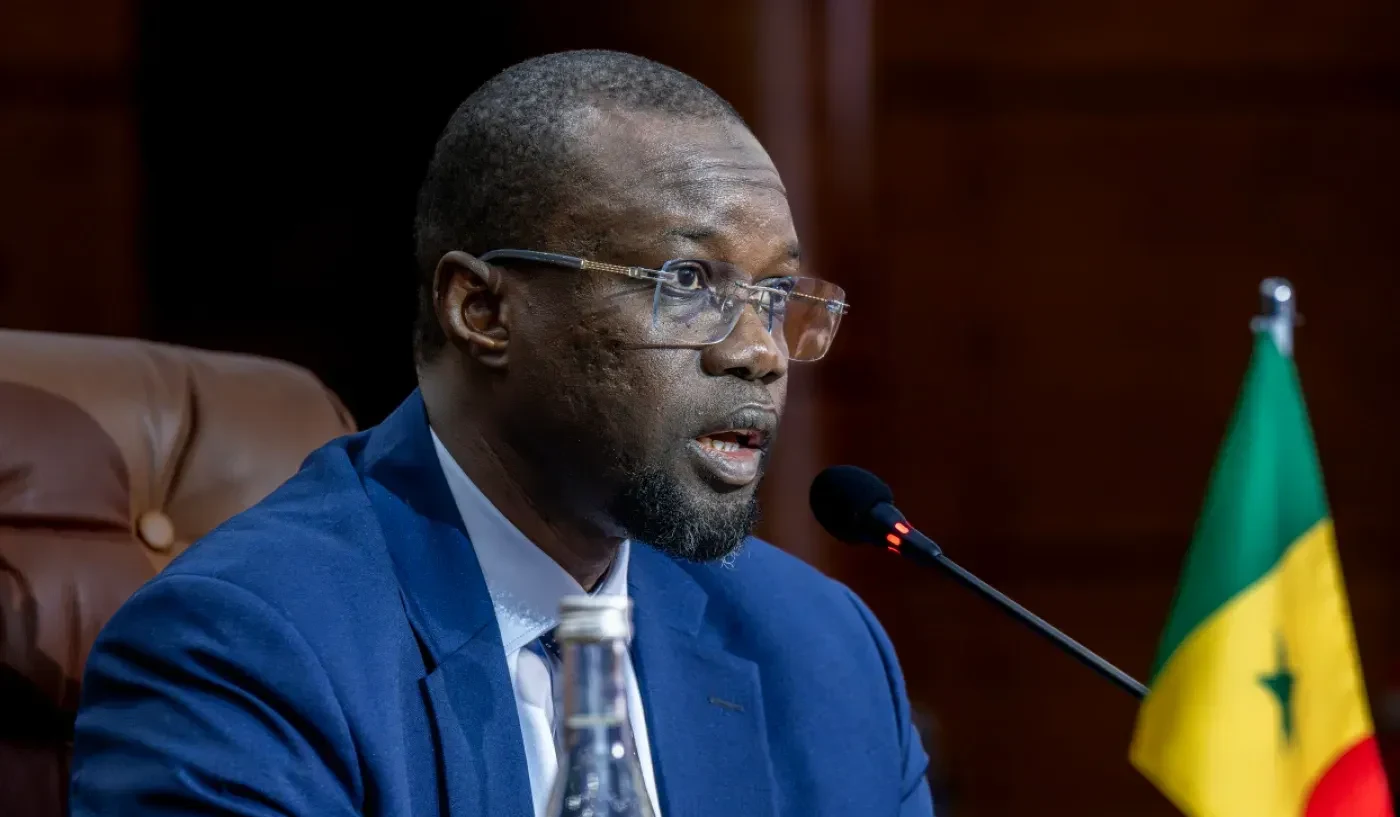
public broadcaster rts 1 faces backlash for skipping constitutional review session in Senegal
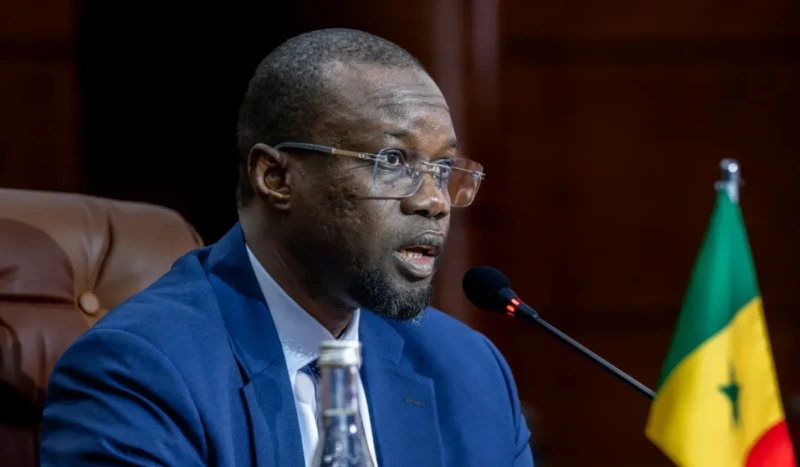
A recent decision by RTS 1, Senegal’s public television channel, to omit live coverage of a crucial constitutional review session has ignited a fierce debate across social media platforms. Internet users are vocally criticizing what they perceive as a contentious editorial stance, intensifying discussions about media treatment of institutional affairs within the nation.
The media’s approach to covering the ongoing constitutional revision continues to be a hot topic in Senegal. On Monday, June 29, 2026, RTS 1 once again drew scrutiny after choosing not to broadcast the live plenary session dedicated to reviewing proposed Law n°17/2026, which outlines amendments to the Constitution.
This absence of broadcast immediately sparked widespread reactions on social media. On X (formerly known as Twitter), comments proliferated within minutes of the parliamentary proceedings commencing, with many decrying the editorial choice as selective and potentially politically motivated.
A significant number of users expressed profound bewilderment regarding the decision. Others interpreted it as a deliberate strategy to marginalize certain political figures from public discourse, particularly questioning the visibility afforded to interventions related to Ousmane Sonko in the media’s institutional coverage.
“Plenary Session – Examination of Proposed Law n°17/2026 on Constitutional Revision,” simply stated the account of Maps Cissé, noting the lack of corresponding television coverage on the public channel. This observation quickly inflamed public sentiment and fueled the online discussion.
Across social networks, comments swung between resigned acceptance and outright condemnation. Some netizens remarked that such a decision was “no longer a surprise,” while others criticized the normalization of such media treatment for significant institutional events. Messages varied, reflecting a “lack of surprise,” “disappointment,” and a “persistent incomprehension” concerning the role and responsibilities of the public television broadcaster in **African society news** and **Africa politics English** reportage.
Comments are closed, but trackbacks and pingbacks are open.