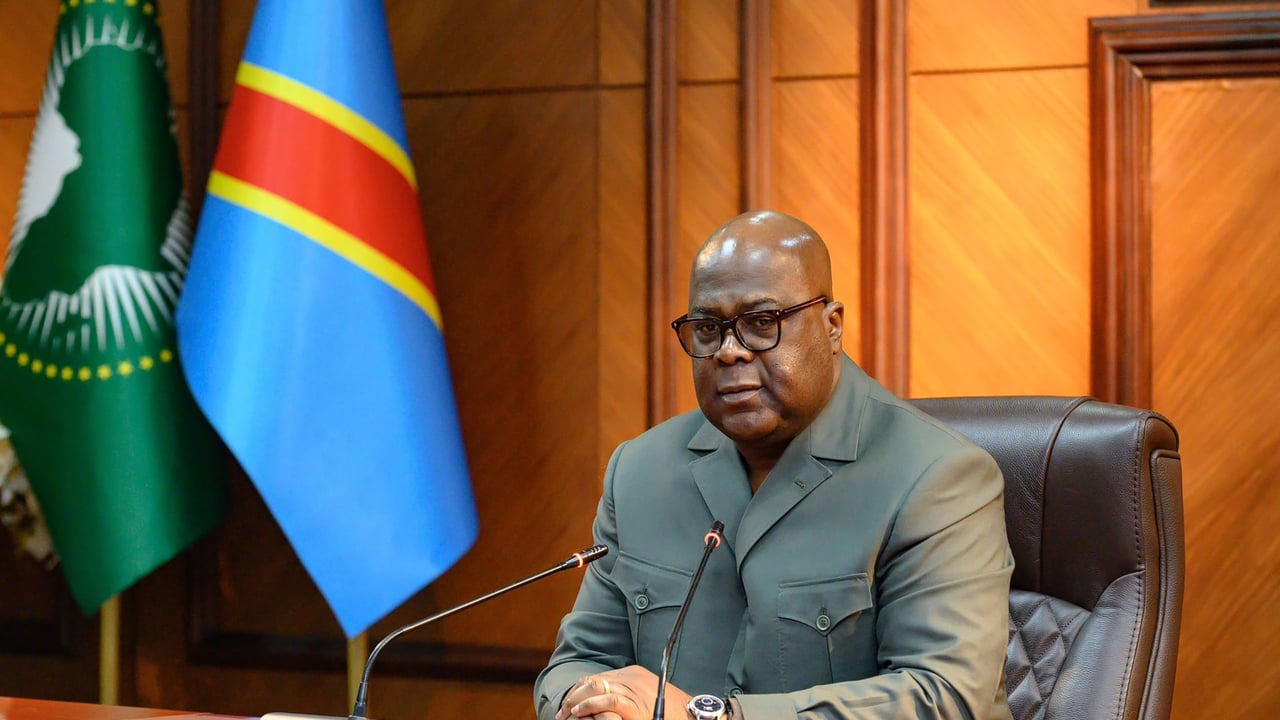

What the DRC’s constitutional court ruling means for the referendum law
The Democratic Republic of the Congo’s Constitutional Court has delivered a landmark decision regarding the referendum law, reshaping the political landscape ahead of upcoming national discussions. This ruling, which examines the legality and procedural aspects of the proposed legislation, carries significant implications for both governance and public participation in the country’s democratic processes.
Key takeaways from the constitutional court’s decision
The court’s ruling addresses several critical aspects of the referendum law, including its alignment with constitutional principles and the transparency of the legislative process. Among the most notable points are:
- Constitutional compliance: The court verified whether the referendum law complies with the DRC’s constitutional framework, ensuring that it does not infringe upon fundamental rights or democratic principles.
- Procedural clarity: The decision clarifies the steps required for a referendum to be legally valid, emphasizing the importance of adhering to established legal procedures.
- Public engagement: The ruling underscores the necessity of inclusive public consultation before any referendum is held, reinforcing citizen participation in shaping national policies.
How this ruling impacts Félix Tshisekedi’s administration
President Félix Tshisekedi’s government now faces a pivotal moment as it navigates the aftermath of this decision. The constitutional court’s ruling could either bolster or constrain the administration’s ability to implement its agenda, depending on how the law is revised or adapted moving forward.
For Tshisekedi, this decision presents both challenges and opportunities. On one hand, it may require his administration to revisit certain aspects of the referendum law to ensure full compliance with constitutional standards. On the other, it could serve as a platform to reinforce public trust by demonstrating a commitment to legal and democratic integrity.
Next steps for the referendum process in the DRC
With the constitutional court’s ruling now in place, the path forward for the referendum law is clearer, though not without its complexities. The government must now decide whether to amend the legislation to align with the court’s findings or proceed with the existing framework, albeit with potential legal risks.
Public reaction to this decision is expected to play a crucial role in shaping the next phases of the referendum process. Civil society groups, opposition parties, and citizens alike will likely scrutinize the government’s response, adding pressure to ensure that the referendum process remains transparent and inclusive.
Implications for democratic governance in the DRC
Beyond the immediate legal and political ramifications, this ruling sets a precedent for how constitutional matters are handled in the DRC. It highlights the judiciary’s role as a key arbiter in ensuring that legislative actions remain within the bounds of the constitution, thereby safeguarding democratic principles.
The decision also serves as a reminder of the delicate balance between executive authority and judicial oversight in the country’s governance structure. As the DRC continues to evolve politically, the constitutional court’s role in mediating disputes and upholding the rule of law will remain central to maintaining stability and public confidence.
For now, all eyes are on the government as it responds to this ruling and prepares for the next steps in the referendum process. The choices made in the coming weeks could define the trajectory of the DRC’s democratic journey for years to come.