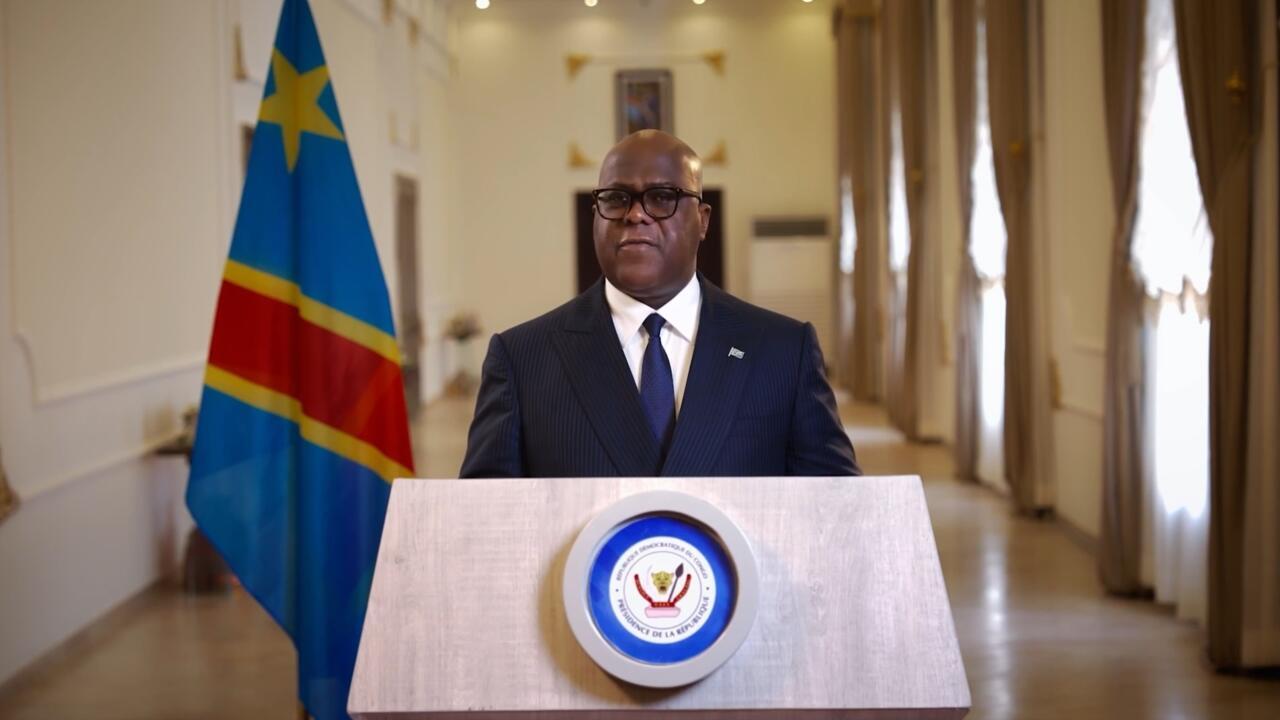
As the Democratic Republic of the Congo braces for a pivotal political moment, the nation finds itself at the heart of a fierce debate: could President Félix Tshisekedi be gearing up to pursue a third term in office?
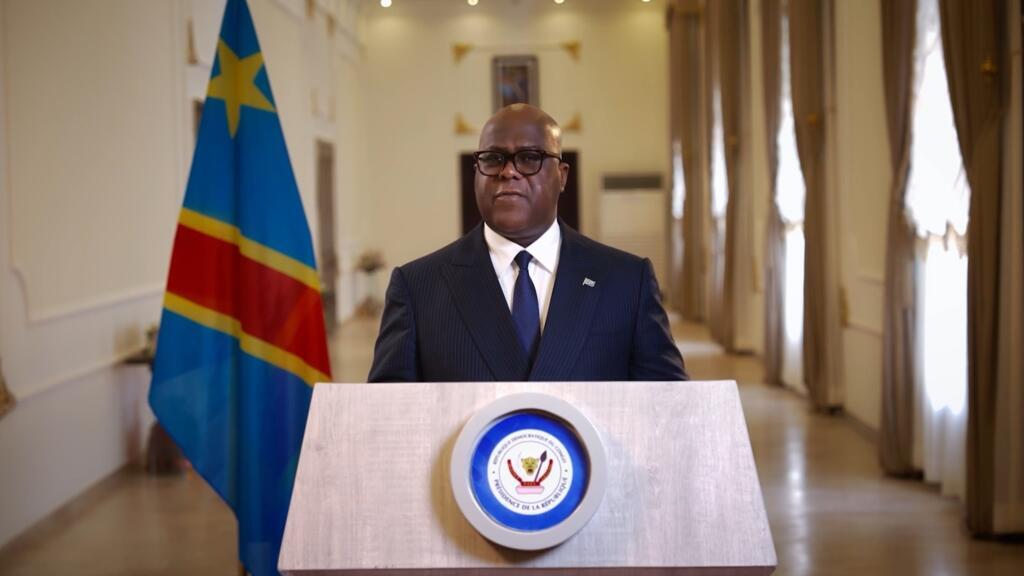
a constitutional referendum fuels speculation
The Constitutional Court of the DRC recently validated a referendum law, paving the way for potential constitutional amendments. This decision has ignited intense discussions across the political spectrum. While the ruling coalition insists the reform aims to strengthen institutional efficiency, opposition voices warn it could be a veiled attempt to reset term limits, allowing the President to extend his stay in power.
Félix Tshisekedi, who has led the country since 2019, is constitutionally barred from seeking a third term. The current charter explicitly prohibits any revision of presidential term limits or durations. Yet, during a rare press conference in May 2026, the President struck an ambiguous tone, stating, “I have not sought a third mandate, but if the Congolese people wish for one, I will accept it.”
opposition and religious leaders voice strong opposition
The political opposition has mobilized aggressively against the proposed constitutional changes. Key figures argue that validating the referendum law could unravel the constitutional safeguards against prolonged leadership. Afrik.com highlights that the opposition views this move as a direct threat to democratic norms and has vowed to resist any attempt to circumvent term limits.
The Catholic Church, an influential voice in Congolese society, has also weighed in. The National Episcopal Conference of the Congo (CENCO) issued a firm statement, declaring that the proposed amendments serve no urgent purpose and are neither necessary nor opportune. This stance echoes their past role in 2018, when they played a pivotal role in preventing former President Joseph Kabila from seeking a third term amid widespread protests and international pressure.
the dialogue dilemma
Amid growing tensions, President Tshisekedi has tasked religious leaders with organizing a national dialogue. However, skepticism abounds. Critics question the inclusivity and transparency of such an initiative, particularly given the government’s focus on national cohesion amid regional conflicts. Afrikarabia warns that these dialogues often serve as tools to dilute opposition voices, offering superficial power-sharing arrangements while sidestepping core issues like constitutional reform.
The debate over Félix Tshisekedi’s political future is far from settled. As the nation inches closer to a defining crossroads, all eyes remain on Kinshasa, where the fate of democracy in the DRC hangs in the balance.