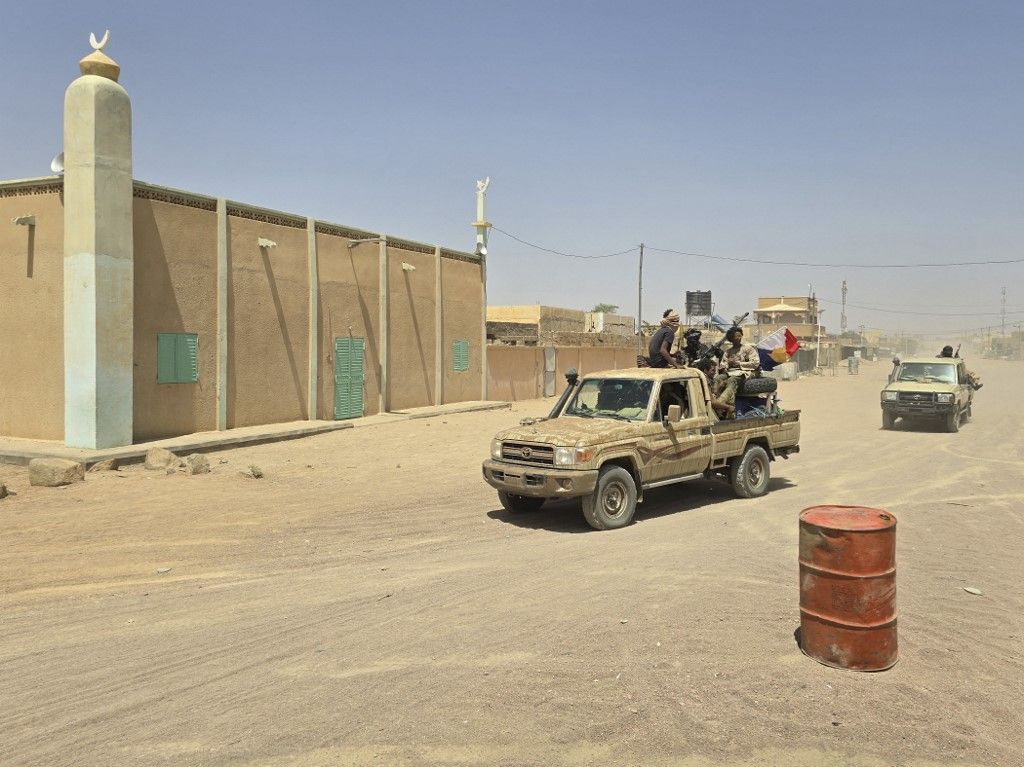
JNIM in Mali: who are these Al-Qaeda-linked jihadists at Bamako’s gates?
Exploring the rise of the Jama’at Nusrat al-Islam wal-Muslimin (JNIM) and its growing influence in West Africa’s Sahel region, threatening Mali’s capital Bamako.

The Jama’at Nusrat al-Islam wal-Muslimin (JNIM) now stands at the gates of Bamako. Should the Malian capital fall, this powerful Al-Qaeda-affiliated jihadist group would control vast territories across the country. Already dominating the insurgency in Mali, JNIM has been pushing back government forces and Russian mercenaries.
The JNIM emerged officially on March 2, 2017, through the merger of four existing jihadist factions active in the region. United under Al-Qaeda’s banner, the group enforces strict sharia law and instills terror across the Sahel. Its leader, Iyad Ag Ghali—a former Tuareg rebel and diplomat—became the emir of the newly formed organization. Since the withdrawal of French forces from Operation Barkhane, JNIM has significantly expanded its influence.
Establishing an Islamic Emirate in the Sahel
JNIM’s ideology is rooted in a strict interpretation of Islam, with fighters actively pursuing the creation of an Islamic emirate in the Sahel. In September 2025, the group imposed economic blockades around key cities, a strategy aimed at preparing for larger-scale offensives. By late April, JNIM launched a coordinated attack alongside Tuareg rebels against Mali’s military junta. With approximately 5,000 fighters, the group has achieved notable battlefield successes and now threatens Bamako.
Stay updated on all JNIM-related developments.