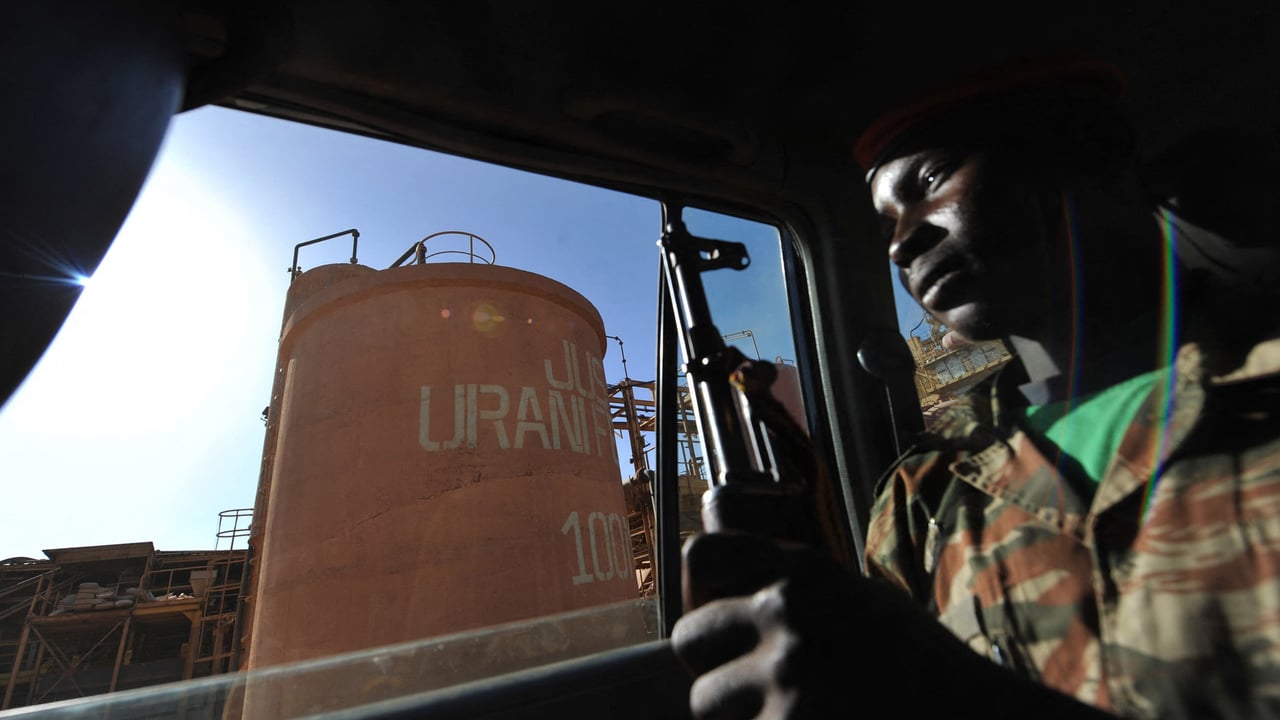
Niger’s uranium sector stands at a critical crossroads, caught between stalled legal proceedings and a tightening commercial deadlock. The nation’s vast mineral wealth, once a cornerstone of its economic stability, now grapples with systemic challenges that threaten its future as a key player in the global nuclear supply chain.

Legal gridlock paralyzes uranium operations
Legal disputes have cast a long shadow over Niger’s uranium industry, with contracts under scrutiny and regulatory frameworks clashing with international partners. Key agreements, once the bedrock of joint ventures, now face delays as courts deliberate over terms, ownership rights, and compliance issues. These unresolved conflicts have created a ripple effect, disrupting production schedules and eroding investor confidence.
Key legal disputes at the heart of the crisis
- Ownership and control: Questions about who holds ultimate authority over uranium assets—whether foreign entities or the Nigerien state—have intensified, leading to protracted negotiations.
- Contractual breaches: Alleged violations of long-standing mining agreements have triggered lawsuits, with both sides accusing each other of failing to meet obligations.
- Regulatory inconsistencies: Shifting government policies and opaque licensing processes have complicated efforts to restart stalled projects.
Commercial stalemate deepens economic strain
Beyond legal battles, Niger’s uranium trade is trapped in a commercial impasse that shows no signs of easing. Global market dynamics, coupled with logistical hurdles, have squeezed profit margins and forced operators to scale back operations. The decline in uranium prices, a trend that began several years ago, has only worsened the sector’s financial woes.
Factors fueling the commercial deadlock
- Falling global demand: Reduced reliance on nuclear energy in key markets has dampened demand for Niger’s uranium, leaving stockpiles unsold.
- Transportation bottlenecks: Remote mining sites, such as those in Arlit, face chronic infrastructure challenges, driving up operational costs.
- Geopolitical pressures: Sanctions and trade restrictions have limited Niger’s ability to export uranium to critical buyers, further isolating the industry.
Impact on Niger’s economy and future prospects
The uranium sector’s struggles are reverberating across Niger’s economy, which has long depended on mineral exports for revenue. With foreign investment dwindling and government coffers strained, the country faces tough choices about how to revitalize its mining industry. Failure to resolve these disputes could push Niger further into economic uncertainty, while progress may hinge on finding common ground with international partners.
Efforts to break the deadlock are underway, but progress remains slow. Industry analysts warn that without decisive action, Niger risks losing its standing as a vital uranium supplier, leaving a void that other African nations may fill. The outcome of these legal and commercial battles will shape the future of Niger’s economy—and its role in the global energy landscape—for years to come.