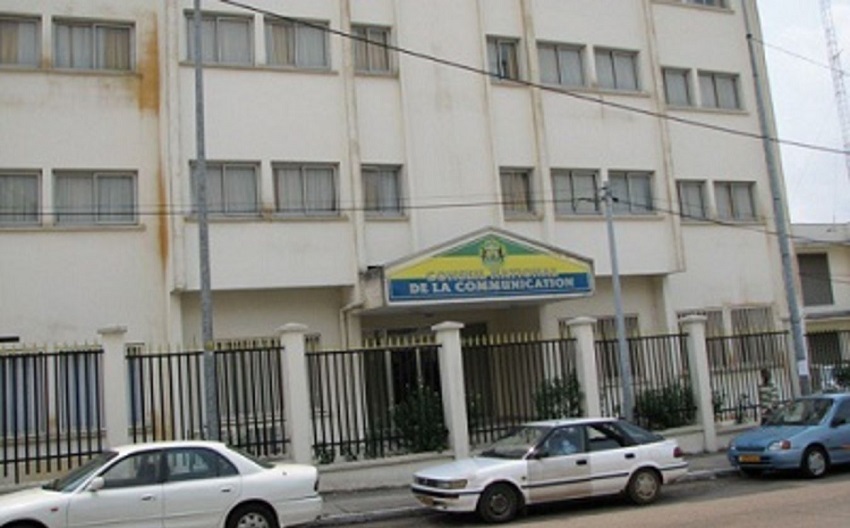
Vandalism at Gabon’s Media Regulator Raises Security Concerns
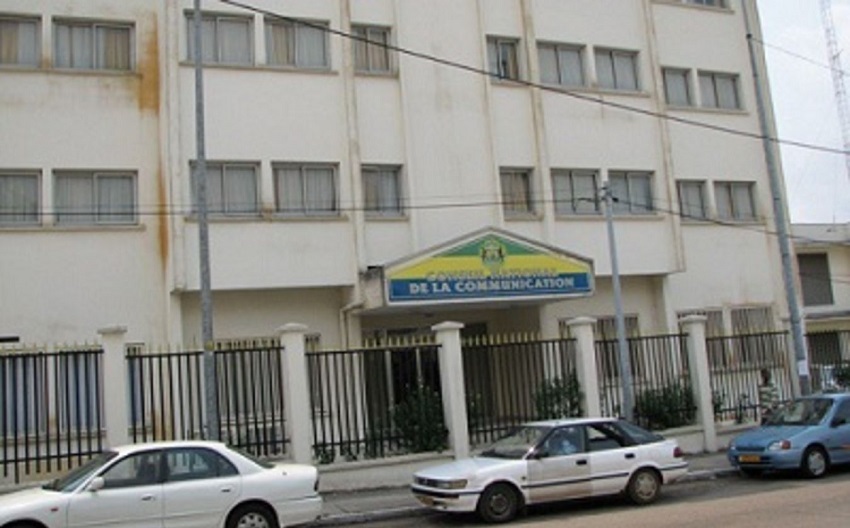
Libreville, June 3, 2026 — The forced entry and vandalism of several offices at Gabon’s High Authority of Communication (HAC) has ignited urgent discussions about the security of the nation’s public institutions.
The incident transcends mere property damage. The breach of HAC premises—where four advisers’ offices were ransacked—brings to light a far more pressing issue: the safeguarding of bodies tasked with overseeing public life and ensuring the smooth functioning of the state. In an era where information regulation, media oversight, and public communication carry immense weight, any attack on a regulatory authority carries disproportionate consequences.
Investigations confirm that unidentified individuals forcibly entered the offices of multiple HAC advisers after breaking down doors and windows. At this stage, the full extent of the damage and the specific items targeted remain undisclosed by authorities.
The institution at the heart of democratic balance
The High Authority of Communication occupies a pivotal role in Gabon’s institutional framework. Tasked with enforcing media regulations, overseeing audiovisual communication, and monitoring public information, it operates in a highly sensitive domain where freedom of expression, editorial responsibility, and public order intersect. An attack on HAC therefore strikes at the very core of democratic governance.
While no definitive link has been established between the intrusion and the authority’s regulatory functions, the episode underscores the critical need to shield institutions entrusted with vital republican missions from harm.
A wake-up call for institutional security
The ease with which intruders accessed restricted areas and penetrated multiple offices has exposed glaring vulnerabilities in the security protocols of certain public administrations. Beyond material losses, the incident casts doubt on the state’s capacity to protect its strategic infrastructure—an oversight that could erode public trust in governance.
In modern democracies, regulatory bodies like HAC are typically afforded specialized security measures due to the sensitivity of the data they handle and their role in maintaining public order. The Libreville breach serves as a stark reminder that administrative security is not merely a logistical concern but a cornerstone of institutional credibility and operational continuity.
Between mindless destruction and targeted information theft
Several scenarios remain plausible. Was this an act of senseless vandalism, a burglary attempt, or a deliberate effort to access classified documents or equipment? Without official disclosures on the nature of the compromised assets, premature conclusions are unwarranted.
This uncertainty heightens the importance of a thorough investigation. Authorities must determine the perpetrators’ motives, their methods, and the security lapses that facilitated their entry.
A cautionary tale for all public institutions
While the focus remains on HAC, the incident serves as a broader warning to all public bodies. As data digitalization accelerates, the management of sensitive documents and governance challenges intensifies, making the protection of workspaces an indispensable strategic priority.
Securing institutions is not solely about preserving state assets; it is about defending administrative continuity, citizen confidence, and the Republic’s proper functioning. The ongoing inquiry must identify those responsible, but the deeper lesson lies in addressing systemic weaknesses to ensure institutions like HAC can fulfill their democratic mandate without fear of interference.
When a regulatory authority’s offices are forcibly entered, the damage extends beyond broken windows and ransacked desks. It strikes at the very principle of institutional integrity.
Related Posts