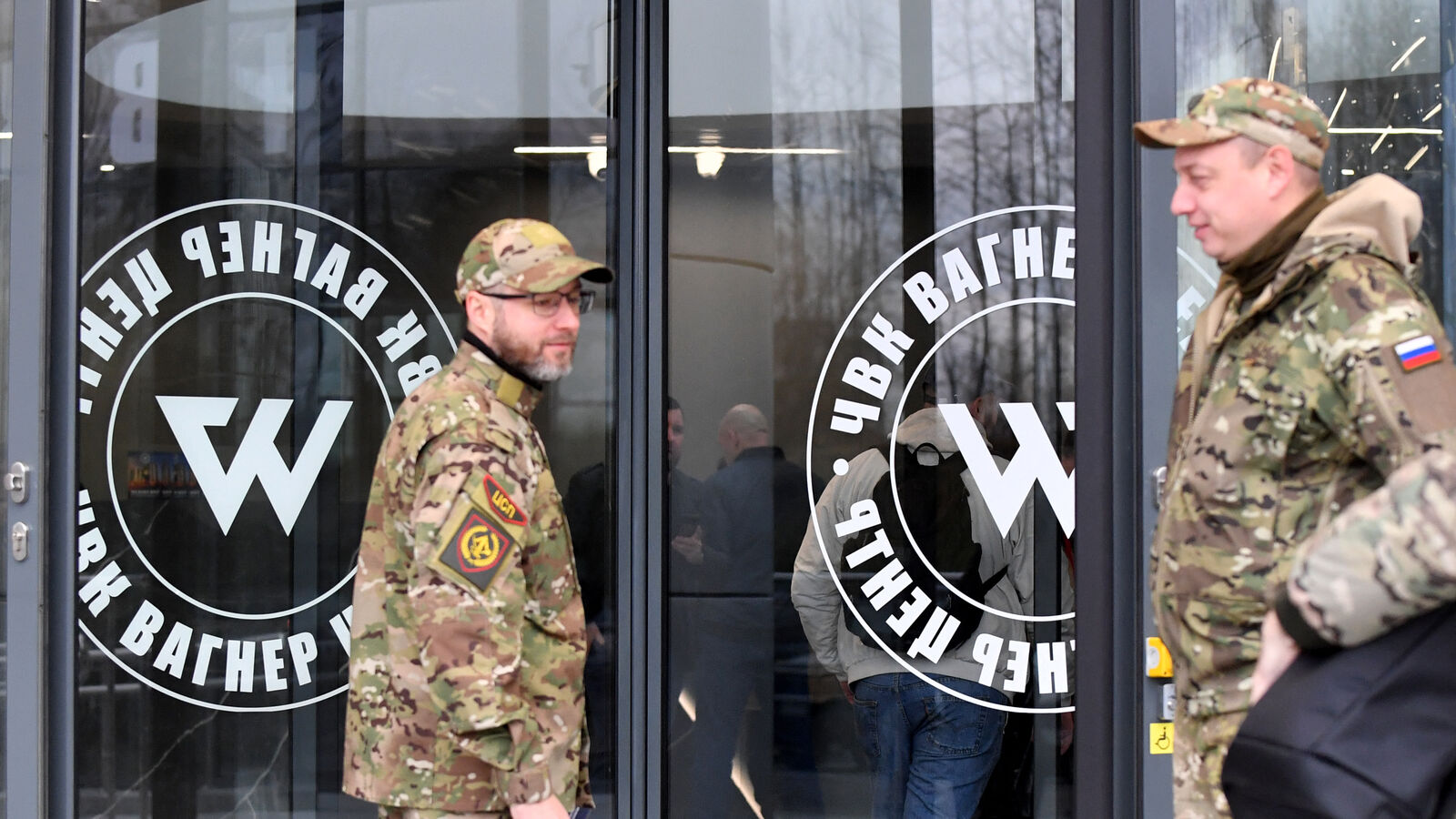
The shadow of Evgueni Prigojine still looms over Africa, three years after his demise. Reports indicate that the networks he established in the continent remain operational, with former Wagner Group fighters adapting their strategies to sustain their operations. Among the most alarming revelations is the alleged involvement of these ex-mercenaries in the trafficking of tramadol, a potent opioid painkiller, which has become a critical revenue stream for their activities.
Investigations suggest that close to 500 former Wagner operatives have remained in the Central African Republic, maintaining a strong presence in the region. Pavel Prigojine, the late leader’s son, is believed to be among those still active on the ground. While Russia has reportedly shifted much of Wagner’s external operations to state-controlled entities, the remnants of the group continue to exploit local and regional networks to fund their endeavors.
Tramadol, often referred to as the “poor man’s cocaine,” has emerged as a lucrative commodity in this illicit trade. Its widespread abuse potential and relatively low cost have made it a target for criminal organizations, including those with ties to former Wagner affiliates. The opioid’s infiltration into African markets underscores the growing challenge of combating drug trafficking across the continent, where porous borders and weak governance create fertile ground for such operations.
Analysts warn that the involvement of ex-Wagner fighters in this trade not only provides financial lifelines but also bolsters their influence in conflict-ridden areas. Their ability to move freely in regions with limited state control allows them to operate with impunity, further destabilizing security and governance. As these networks expand, the international community faces mounting pressure to address the root causes of such criminal enterprises and curb their impact on African societies.
Comments are closed, but trackbacks and pingbacks are open.