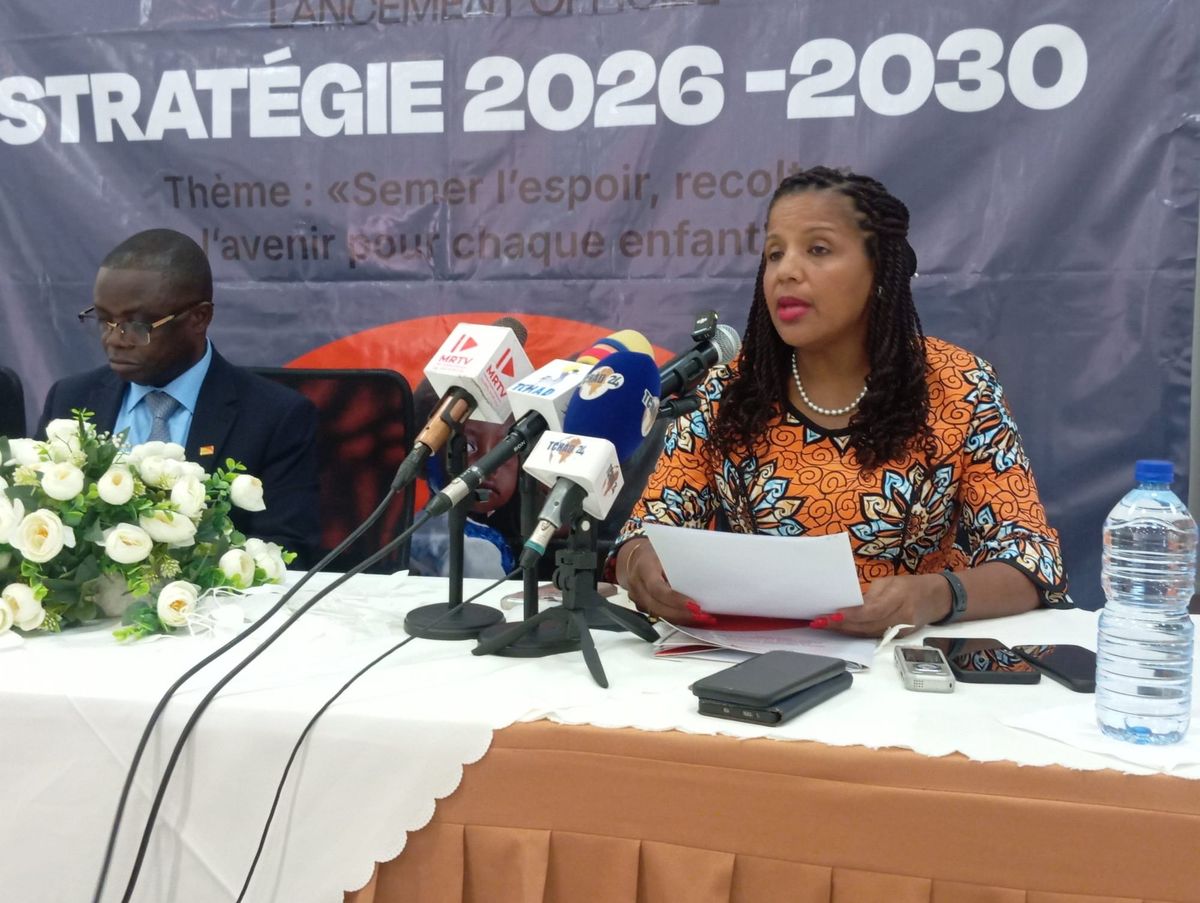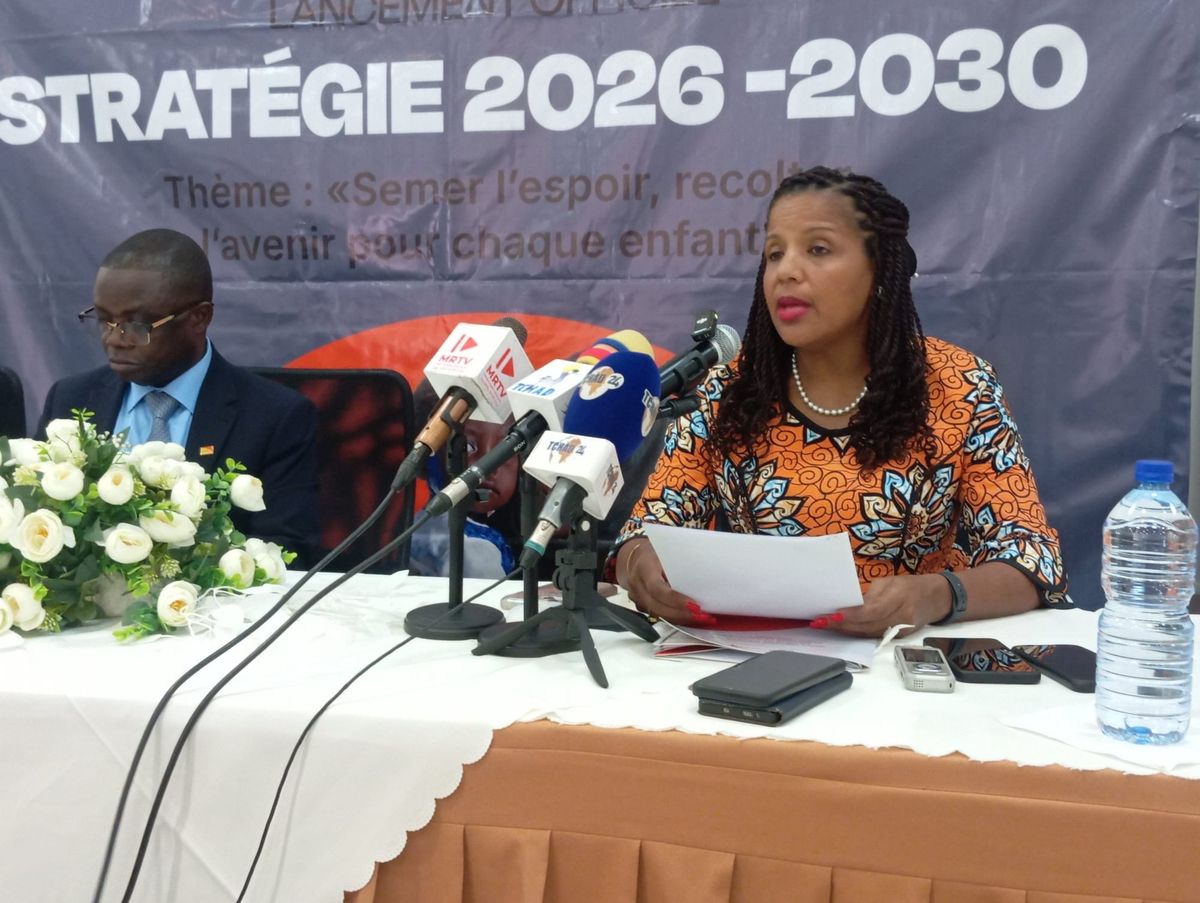
N’Djamena – World Vision Tchad has rolled out its groundbreaking national strategy for 2026-2030, marking a significant milestone in the organization’s commitment to transforming the lives of children across the country. The ambitious plan was unveiled during a high-profile press conference on July 9, 2026, bringing together media representatives, technical and financial partners, and national authorities at the N’Djamena Residence Hotel.
The strategy outlines a bold vision to impact the lives of 3.29 million children by 2030, with a special focus on 3.09 million of the most vulnerable young lives through targeted interventions in health, nutrition, education, child protection, and climate resilience. This initiative represents a 20% increase in ambition compared to previous cycles, signaling World Vision Tchad’s heightened determination to address the country’s pressing challenges.
Carla Dominique Denizard, Regional Director for West Africa, emphasized the strategic approach’s innovative nature, describing it as a seamless integration of humanitarian aid, sustainable development, and peacebuilding. Speaking from Dakar, she highlighted the critical importance of the ‘Humanitarian-Development-Peace Nexus’ approach, which bridges emergency responses with long-term developmental goals while fostering social cohesion. ‘Children in Chad deserve more than survival; they deserve to thrive in an environment of abundance and security,’ she stated.
Denizard underscored the stark realities facing the region, including multidimensional poverty, climate-induced challenges, and large-scale population displacements. She reiterated World Vision’s broader regional mission: to enable children in fragile contexts not just to survive but to flourish. The strategy aligns with continental and global frameworks, including the African Union’s Agenda 2063, the United Nations’ Sustainable Development Goals (SDGs 1, 2, 3, 4, 5, 6, 13, and 16), and Chad’s Vision 2030.
Édouard Ngoy Wangoy, National Director of World Vision Tchad, hailed the launch as a ‘historic moment’ for the organization and the future of Chad’s children. He shared sobering statistics, noting that nearly 42% of Chad’s population lives below the poverty line, exacerbating issues like malnutrition and recurring humanitarian crises. ‘Our goal is clear: every child in Chad should not only survive but thrive,’ he declared, adding that the strategy prioritizes integrated nutrition and health programs, with a strong focus on maternal and child health.
The new roadmap also places a significant emphasis on education through the Unlock Literacy initiative, which aims to enhance early reading skills, as well as robust child protection measures to shield children from all forms of violence. Additionally, the strategy prioritizes building community resilience to climate change, recognizing the growing threats posed by environmental degradation. Wangoy called for a united effort from public authorities, technical and financial partners, civil society organizations, religious and community leaders, and the media to ensure the strategy’s success. ‘Collective mobilization is the key to turning current challenges into sustainable opportunities for Chad’s children,’ he asserted.