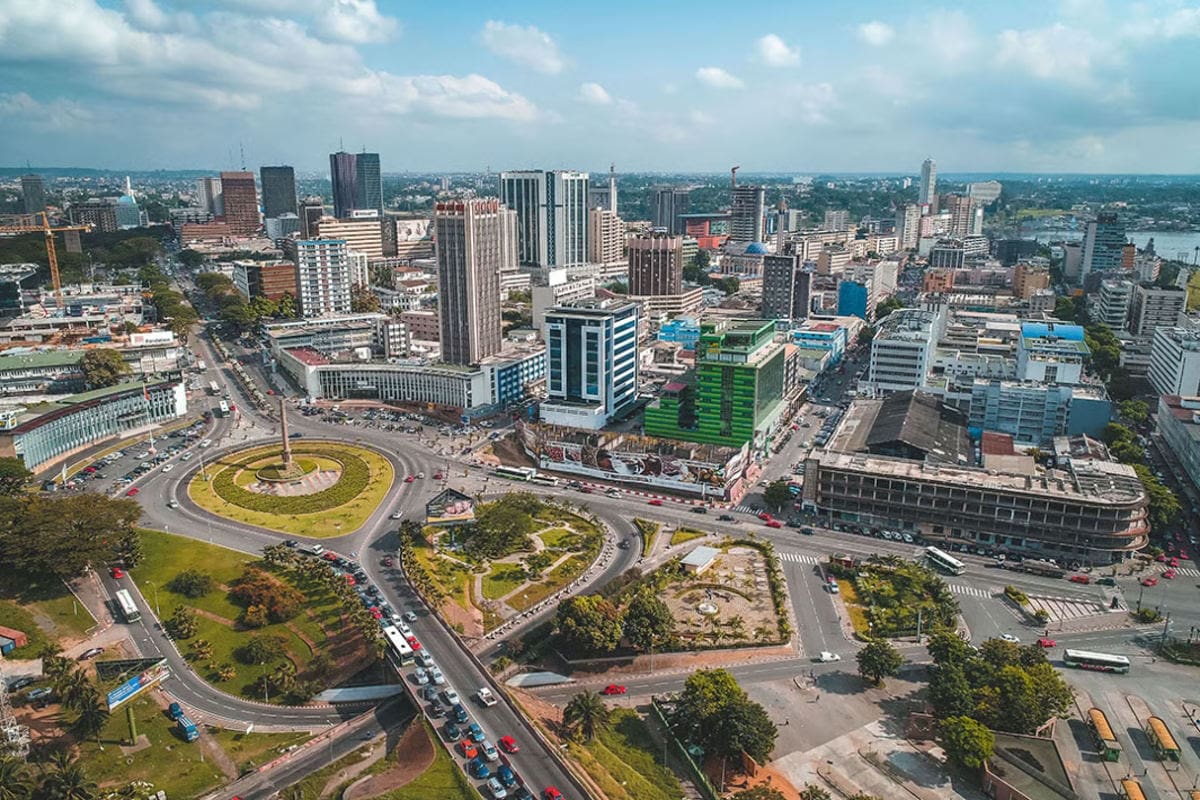
Facing rapid demographic expansion, the Greater Abidjan area is undergoing a significant structural overhaul. Through extensive infrastructure projects and housing initiatives, Ivorian authorities are implementing a comprehensive sectoral strategy aimed at establishing more modern, organized, and secure urban planning practices by 2030. This ambitious vision positions Abidjan as a blueprint for sustainable urban development across the continent.
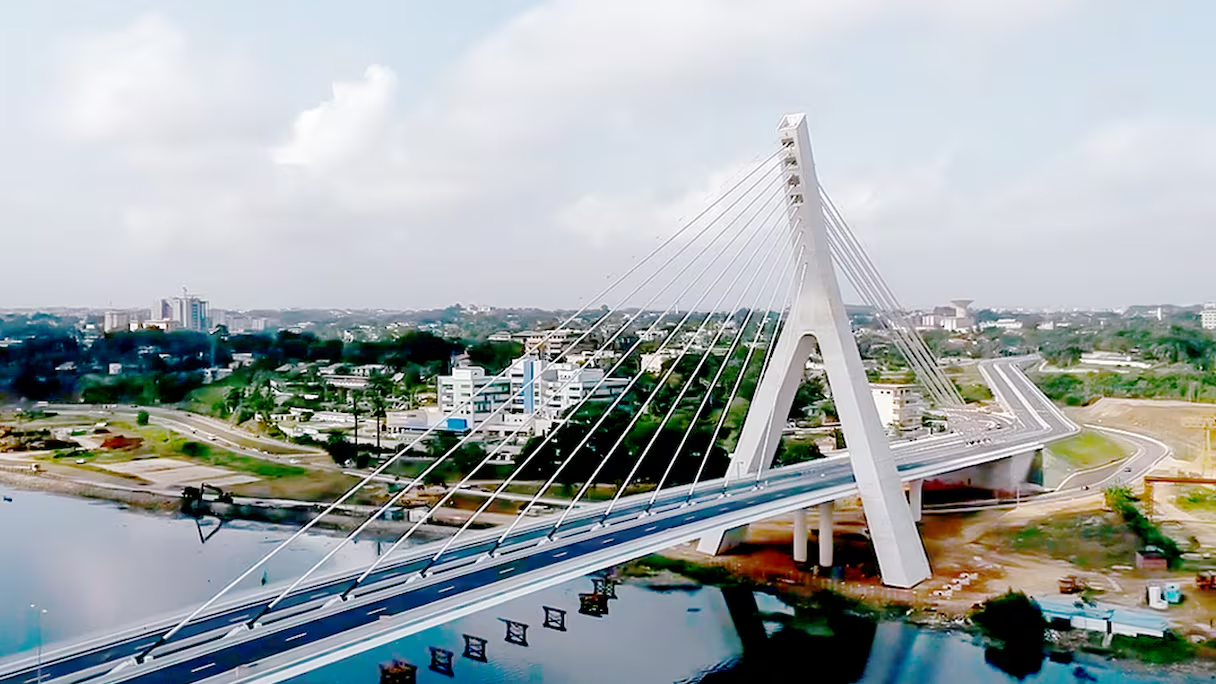
Côte d’Ivoire’s dynamic population growth is propelling the nation to the forefront of urban transition in West Africa. Projections from the West African Economic and Monetary Union (UEMOA) indicate that the country is set to become the most urbanized in the region by 2030, with an urbanization rate exceeding 58%. This rapid acceleration is palpable on the ground: a sector analysis by BEPCO, drawing on figures from the Ministry of Construction, reveals an 18% year-on-year increase in the value of building permits issued in Greater Abidjan. To manage this expansion and mitigate the impact of urban congestion—a problem estimated by the executive to cost up to 5% of national income—Parliament has approved a 2026 budget of 123.2 billion FCFA for the Ministry of Construction. This strategic allocation is integral to the National Development Plan (PND) 2026-2030, aiming to forge a modernized metropolis deeply interconnected with the rest of the country. This is vital African news today, showcasing significant pan-African current affairs in urban planning.
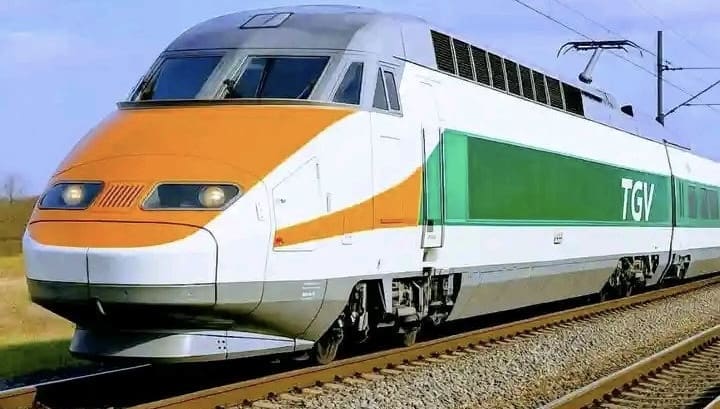
Abidjan’s metro system on the horizon
Related Posts