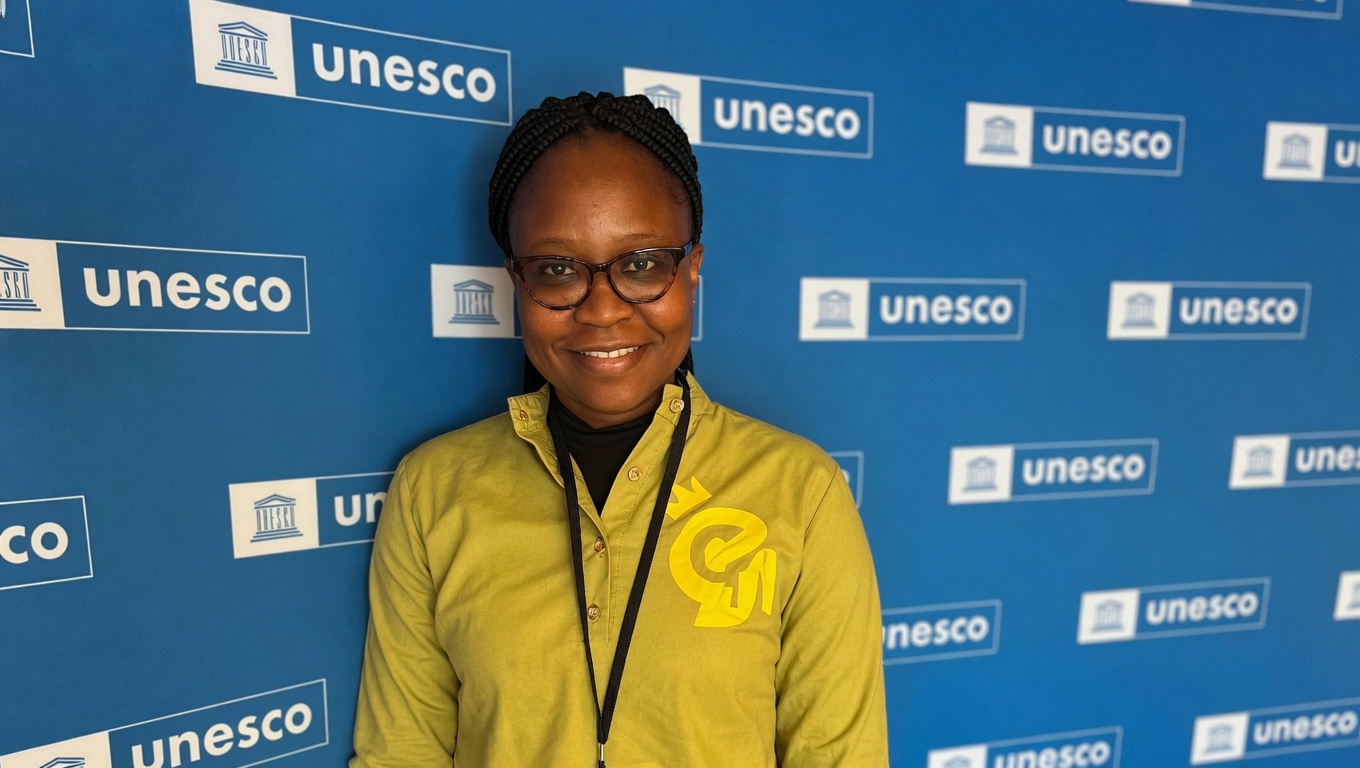
In the bustling port city of Cotonou, a groundbreaking innovation is reshaping the future of water treatment. SSaFE, a pioneering startup founded by chemical engineer Marielle Agbahoungbata, has developed a first-of-its-kind AI-driven filtration robot designed to turn polluted water into a valuable resource while bridging communication gaps in local communities.
From laboratory to life: how Watt Air is rewriting the rules
The centerpiece of this innovation is Watt Air, a compact, AI-powered device that does more than just filter water—it intelligently assesses contamination levels and determines the most appropriate treatment method. Whether the water is suited for irrigation, laundry, or human consumption, the robot’s neural network makes autonomous decisions with surgical precision.
« This is not just a machine; it’s a mobile water lab, » Agbahoungbata explains. « It evaluates each drop, calculates the exact amount of reagents needed, and eliminates waste, making every liter count in a region grappling with water scarcity. » In a country where water stress is intensifying and treatment costs are rising, such efficiency is nothing short of transformative.
Breaking barriers: technology that speaks your language
What sets Watt Air apart is its commitment to inclusivity. In a nation with over 50 languages, the robot is equipped with multilingual voice assistance, responding in Fon, Bambara, Swahili, and Wolof, among others. This feature is particularly impactful in rural areas, where formal education is often inaccessible.
Consider a young mother in a remote village, struggling to manage household water use. With Watt Air, she can now recycle laundry water at home, guided entirely in her native tongue. « She doesn’t need to read or write to use this technology, » Agbahoungbata emphasizes. « The AI adapts to her, not the other way around. »
Sèmè City: where innovation meets impact
The roots of this breakthrough extend to Sèmè City, Cotonou’s innovation hub. Thierry d’Almeida, CEO of the center’s research institute, highlights the synergy between mathematicians and chemists as the driving force behind locally relevant solutions. « Problems in Africa are best solved by Africans who understand the terrain, » he notes.
Funded by a $30,000 UNESCO grant, the Watt Air project underscores a critical truth: sustainable solutions to Africa’s challenges often emerge from the continent itself, informed by intimate knowledge of its people and environment.
The road to 2027 and beyond
While Watt Air remains in the prototype phase, the timeline for real-world deployment is set for 2027. The team at SSaFE is actively seeking partners and investors to transition from lab to household, scaling a solution that promises to redefine water access across Benin.
For Agbahoungbata, the project transcends technical achievement. « Technology must serve humanity, » she says. « It must save time, protect health, and ensure no one is left behind—regardless of language, education, or location. »