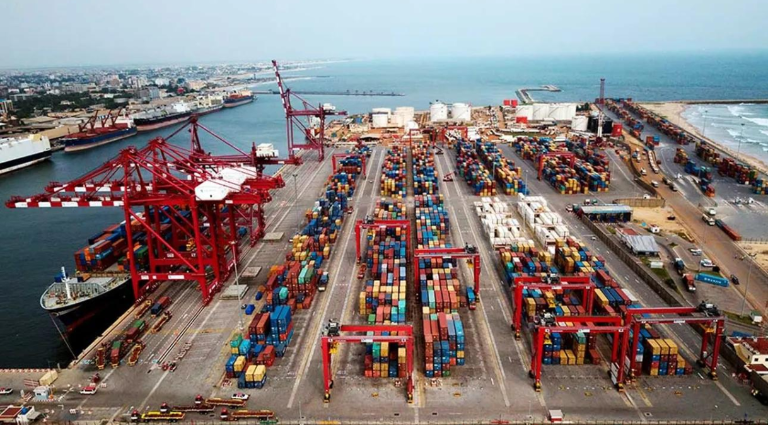
Amid growing economic ambitions, Benin and the United Arab Emirates have finalized a landmark trade agreement that will eliminate import duties on more than 3,000 products. The deal, announced during a high-profile trade mission to Abu Dhabi, marks a significant step forward in strengthening bilateral economic ties and expanding market access for Beninese exporters.
Unlocking new markets for Beninese goods
The agreement, signed between Beninese government officials and UAE authorities, will grant duty-free status to a wide range of Beninese products. This includes agricultural staples such as cotton, cashew nuts, soybeans, and shea butter, as well as processed food items. By removing tariff barriers, the deal is expected to enhance the competitiveness of Benin’s exports in the UAE market.
For local producers and exporters, the advantages are clear:
- Lower trade costs for entry into the UAE market
- Stronger positioning against international competitors
- Potential for increased demand from UAE importers
- Encouragement for local processing and value addition
The move comes at a strategic time, as the UAE represents one of Benin’s fastest-growing export destinations outside Africa.
A vision for economic transformation
The accord is more than a trade facilitator—it is a catalyst for broader economic reforms. By expanding export opportunities, the government aims to:
- Boost local production, especially in high-value sectors
- Encourage private investment in agro-processing and light manufacturing
- Raise household incomes through increased commercial activity
- Support job creation across agricultural, industrial, and logistics sectors
The long-term goal is to shift Benin’s export profile from raw materials toward finished and semi-finished goods, capturing greater value within the country.
From fields to markets: who benefits?
The economic ripple effects are expected to touch multiple segments of society:
- Agricultural cooperatives and smallholder farmers: greater demand for raw materials
- Small and medium enterprises (SMEs): new export contracts and business growth
- Women-led cooperatives: expanded market opportunities, especially in shea processing and cashew trade
- Logistics and transport workers: increased freight and handling needs
- Youth and job seekers: more opportunities in packaging, quality control, and export services
However, real progress will depend on local businesses’ ability to meet international standards, secure financing, and maintain reliable supply chains.
Trade flows on the rise
Recent trade data highlights the growing economic momentum between the two nations. In 2025, non-oil trade reached $2.15 billion—a 65% increase from 2024. Through mid-2026, bilateral trade surpassed $1.29 billion, up 37.4% year-over-year. Authorities project Beninese exports to the UAE could rise by over $100 million by 2033, driven by the new agreement.
Beyond goods, the partnership fosters cooperation in renewable energy, logistics, and industrial development—areas where the UAE brings investment and technical expertise.
Turning potential into prosperity
While the agreement unlocks significant opportunities, success is not guaranteed. To ensure tangible benefits, both governments and private sector leaders must:
- Support SMEs in meeting UAE quality and sanitary standards
- Improve access to financing for processors and exporters
- Invest in cold chain and storage infrastructure
- Strengthen export promotion and trade education
- Monitor compliance to ensure gains reach local communities
With the UAE as a strategic partner, Benin is poised to diversify its export base, deepen industrialization, and create sustainable prosperity for its people.
Comments are closed, but trackbacks and pingbacks are open.