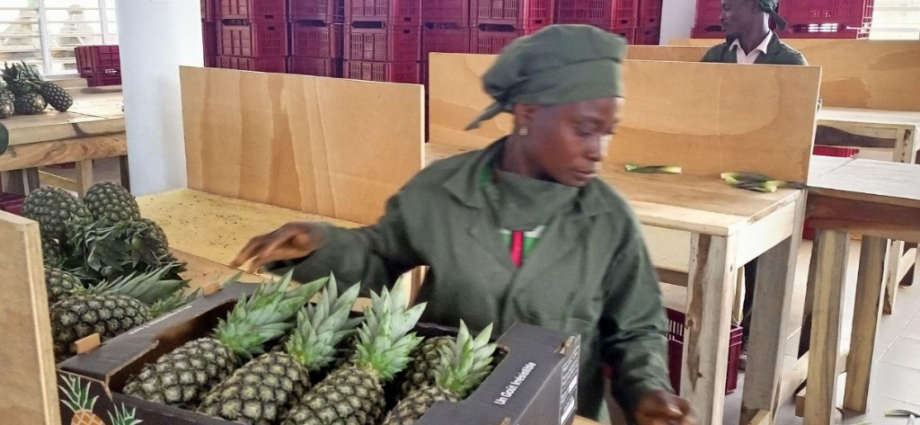
Official trade data from the United Kingdom reveals a remarkable surge in Benin’s export performance to British markets, with growth of 62.5% over the past year, reaching a total value of £13 million. This robust increase is primarily driven by agricultural products, particularly fruits and vegetables.
The latest statistics from the Department for Business and Trade underline a significant shift in trade dynamics. While Benin’s exports to the UK are climbing sharply, British exports to Benin have declined by 6.9%, reflecting an evolving commercial relationship between the two countries.
Key drivers behind the export surge
The boom in Benin’s exports is largely attributed to a fourfold increase in merchandise shipments, rising from £1 million to £5 million. Fruit and vegetable exports alone accounted for £5.2 million of the total, highlighting the central role of agriculture in strengthening Benin’s international trade footprint.
Industry observers point to growing demand in the UK for tropical and seasonal produce, as well as improved access through trade agreements and logistical improvements. This upward trend serves as a positive signal for local producers, exporters, and agribusinesses seeking to expand their reach in premium international markets.
Persistent trade imbalance despite strong growth
Despite the impressive 62.5% rise in Benin’s exports, the trade balance still favors the UK. British goods and services exports to Benin totaled £54 million during the same period, resulting in a deficit of £41 million in favor of the UK.
While the overall bilateral trade volume increased by 1.5% to £67 million, the gap highlights both the scale of opportunity and the structural challenges facing Benin’s export sector. Sustaining growth will require addressing quality standards, sanitary controls, and logistical bottlenecks.
Overcoming barriers to sustainable market entry
To consolidate market share in the UK, Benin must prioritize compliance with stringent sanitary and phytosanitary standards, enhance product traceability, and invest in modern storage and cold-chain solutions. These measures are critical to meeting buyer expectations and maintaining access to high-value retail and wholesale channels.
Strengthening export preparation and certification processes will also help local exporters align with UK import regulations and reduce the risk of rejections or delays at border points.
Future outlook: untapped potential and strategic next steps
Trade data indicates significant room for growth. The UK represented just 1.3% of Benin’s total imports in 2025, and Benin ranked 169th among the UK’s trading partners. This underscores the potential for deeper economic integration and the need for a coordinated strategy.
To maximize benefits, Benin could focus on diversifying its export basket beyond traditional tropical fruits and vegetables. Value addition through local processing and packaging could increase profit margins and reduce reliance on raw material exports.
Strengthening infrastructure, reducing transport costs, and improving trade facilitation would further enhance competitiveness. With sustained efforts, Benin can move beyond one-off gains and build a resilient, long-term export ecosystem that benefits farmers, processors, and the broader economy.
Comparing data sources and confirming trends
It is important to note that the reported figures are based on UK trade statistics and may differ from Benin’s own customs records. Differences can arise from variations in data collection methods, valuation standards, and reporting timelines.
Despite this, the 62.5% year-over-year increase in Benin’s exports remains a strong indicator of commercial momentum. It confirms that Beninese products, especially in agriculture, are gaining traction in international markets. The real test now is whether this growth can be sustained and scaled into a long-term competitive advantage.
Comments are closed, but trackbacks and pingbacks are open.