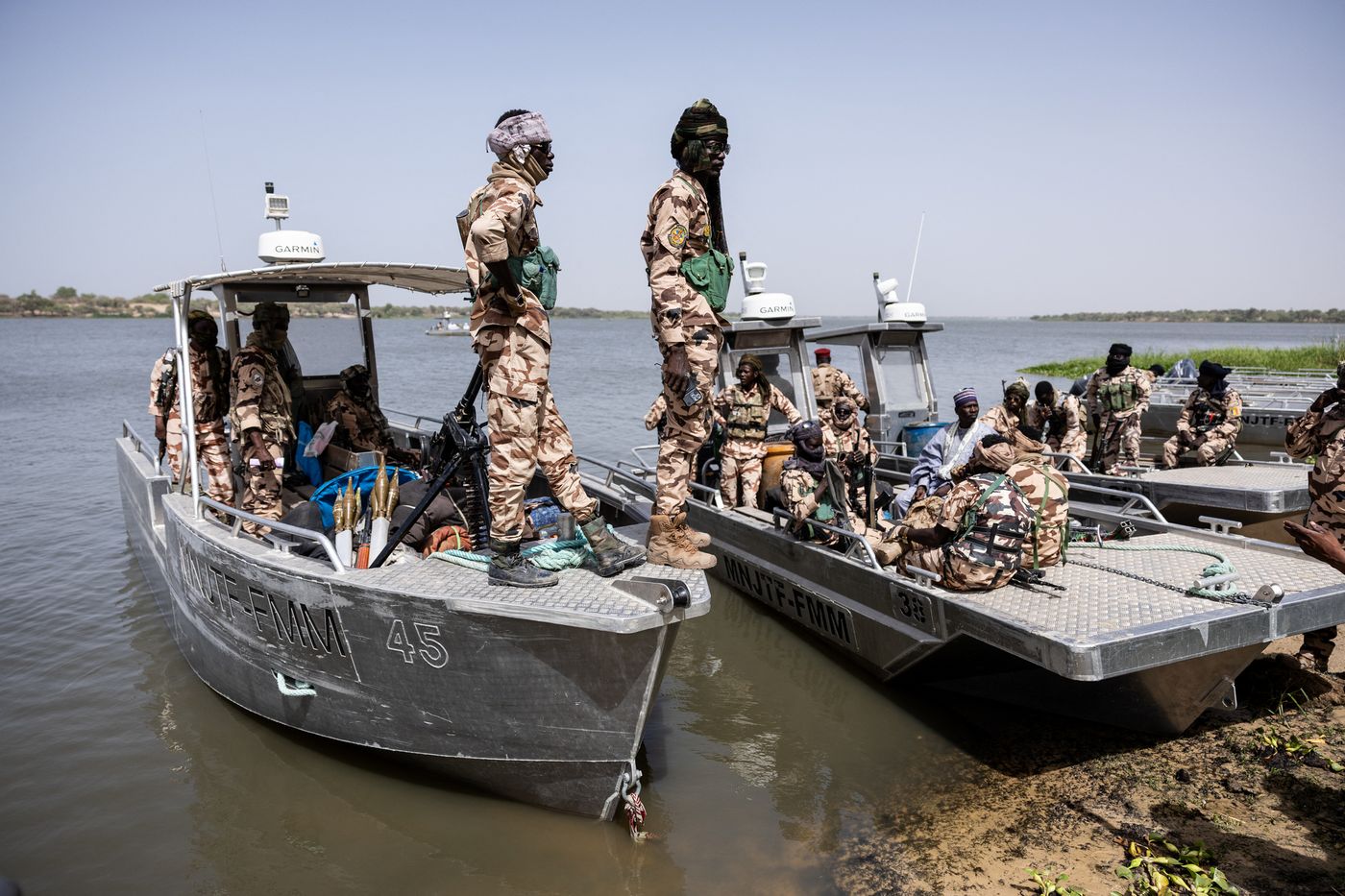
The President of Chad, Mahamat Idriss Déby Itno, issued a stern warning following a brazen assault by Boko Haram militants: “We will intensify our fight with renewed vigor until this threat is completely eliminated”. His statement, shared on social media, came in response to the deadly attack on the Barka Tolorom military base, situated along the Chadian shoreline of Lake Chad, which claimed the lives of 24 soldiers.
Unprecedented escalation in cross-border violence
This recent strike marks one of the most audacious incursions by the Islamist faction in recent months, signaling a troubling resurgence in their operational capacity. The assault not only inflicted heavy casualties but also exposed vulnerabilities in regional security frameworks tasked with curbing the group’s activities.
Military analysts highlight that the attack underscores Boko Haram’s evolving tactics, which now include targeted strikes on fortified installations. The group’s continued presence in the Lake Chad basin—shared by Chad, Nigeria, Cameroon, and Niger—remains a persistent threat to civilian safety and regional stability.
Regional collaboration under scrutiny
In the aftermath of the assault, regional leaders have reiterated calls for enhanced cooperation to dismantle Boko Haram’s networks. The multinational task force, comprising troops from affected nations, has been under pressure to demonstrate greater effectiveness in counterinsurgency operations. However, logistical challenges and coordination gaps continue to hinder progress.
Local communities along the Lake Chad perimeter face daily threats from the group’s raids, kidnappings, and forced conscriptions. The humanitarian toll is mounting, with thousands displaced and struggling to access essential services amid the ongoing conflict.
Chad’s military response intensifies
Chad’s armed forces, already stretched thin by years of counterterrorism operations, have vowed to escalate their response. Military reinforcements have been deployed to high-risk zones, while intelligence-sharing initiatives aim to preempt future attacks. Yet, the battle against Boko Haram demands sustained regional solidarity and strategic investments in long-term security solutions.