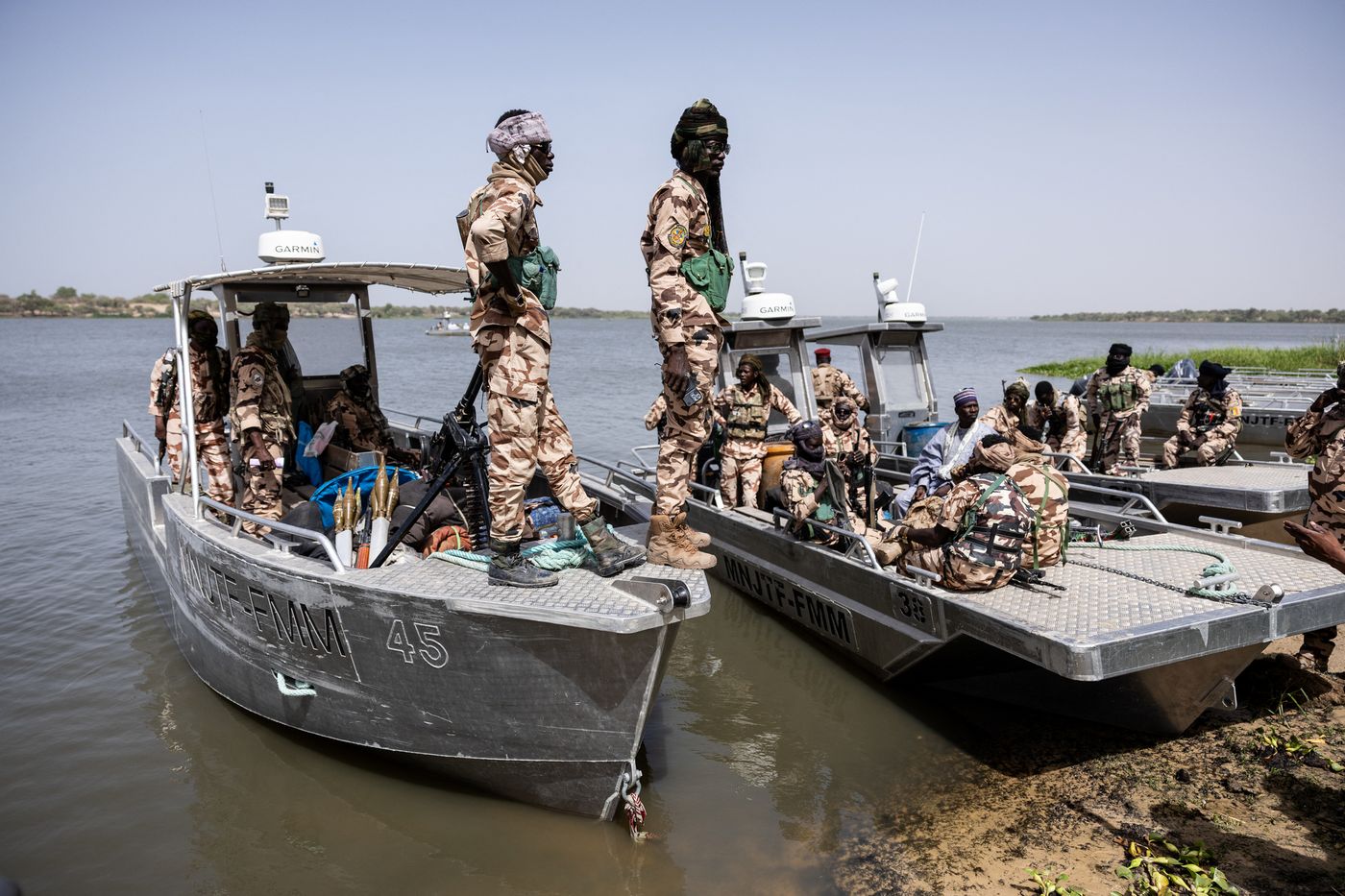
Military losses mount in the Sahel as Boko Haram’s influence intensifies along the shores of Lake Chad. The armed group’s latest assault on a Chadian military outpost left 24 soldiers dead, prompting a stern response from President Mahamat Idriss Déby Itno of Chad. In a statement released via social media, he vowed to combat the insurgency with renewed vigor, declaring, “We will persist in our fight with unwavering determination until this threat is completely eliminated.”
The attack, which targeted the Barka Tolorom base on the Chadian side of the lake, underscores the persistent threat posed by Boko Haram’s regional affiliates. Despite years of coordinated counterterrorism efforts, the group continues to adapt, exploiting vulnerabilities in border security and local defenses.
Military analysts highlight the strategic importance of Lake Chad—a critical waterway and economic lifeline—as a hotspot for insurgent activity. The region’s porous borders and remote terrain provide cover for militant movements, complicating eradication efforts. The latest strike serves as a stark reminder of the ongoing challenges faced by Sahelian nations in curbing extremist violence.
Chadian authorities have reinforced patrols and surveillance in the area, but the resurgence of Boko Haram activity signals deeper systemic issues. Analysts point to socio-economic grievances, weak governance, and the proliferation of illicit arms as key factors fueling the insurgency’s persistence.