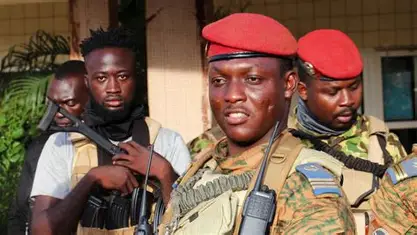
The military-led administration in Burkina Faso, which rose to power following the September 2022 coup, has responded to a recent European Parliament resolution condemning human rights violations and restrictions on civil liberties by summoning the European Union’s ambassador for an official reprimand.
Analysts argue that a more constructive course would have been to invite a delegation of European lawmakers to Burkina Faso. Such a visit could provide firsthand evidence of the government’s claims regarding territorial pacification and socioeconomic progress under Captain Ibrahim Traoré’s leadership. By allowing independent observers to assess conditions on the ground, Ouagadougou could substantiate its assertions with verifiable data rather than relying solely on diplomatic rebuttals.
While the transitional authorities highlight achievements such as regained sovereignty and major infrastructure projects, international organizations continue to document persistent security threats in certain regions, as well as ongoing concerns over fundamental freedoms and humanitarian conditions. Reports from the United Nations, human rights groups, and other credible sources underscore these challenges, reinforcing the need for transparency.
For Burkina Faso, the path to credibility lies in embracing openness. Welcoming international missions to evaluate the actual state of affairs—rather than dismissing criticism—would strengthen its position in global discussions. The fundamental question remains: do the government’s security and economic narratives withstand scrutiny from impartial observers? A formal visit by European parliamentarians could help provide the clarity needed to resolve this debate.
Comments are closed, but trackbacks and pingbacks are open.