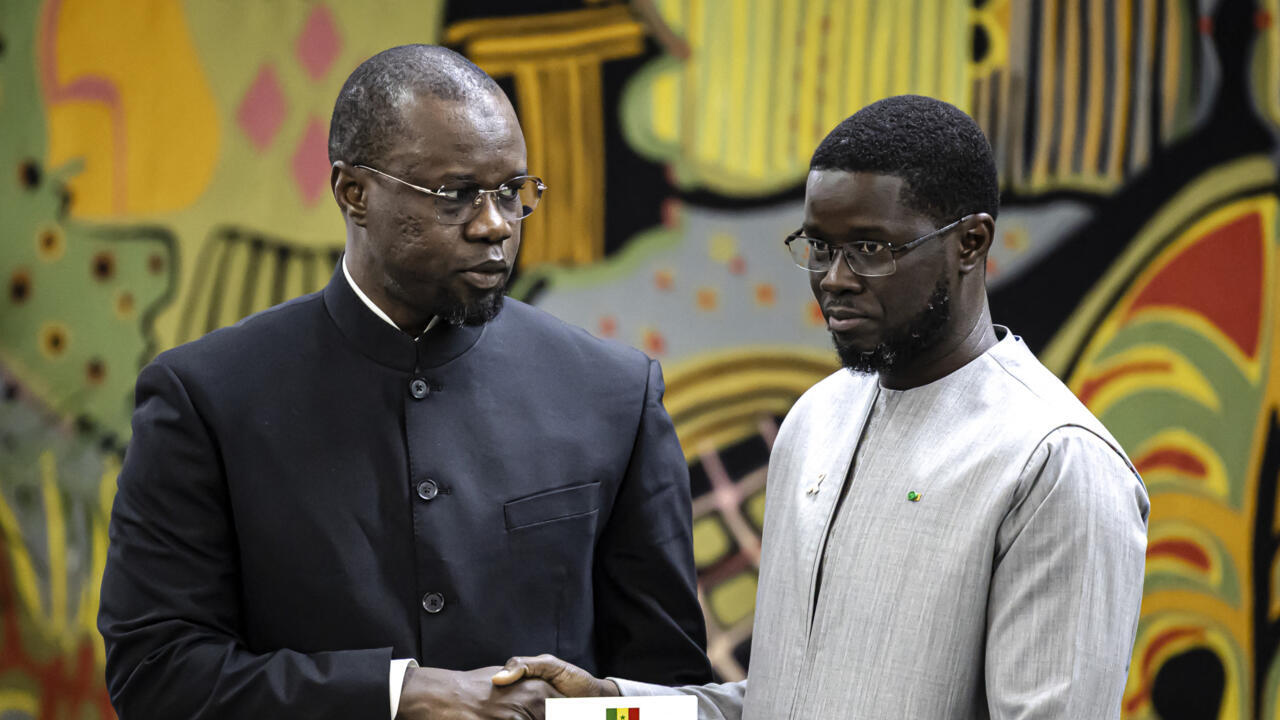
The Diomaye-Sonko partnership lasted barely two years. President Bassirou Diomaye Faye has officially relieved Ousmane Sonko of his duties as Prime Minister, a position now vacant. Sonko, who now leads the National Assembly, remains a dominant figure as President of the Pastef party—the majority force in Parliament—but has been excluded from the government. How did this political rupture unfold? Will the cohabitation between the President and the National Assembly leader remain viable? And more critically, could these tensions overshadow the pressing needs of the Senegalese people?
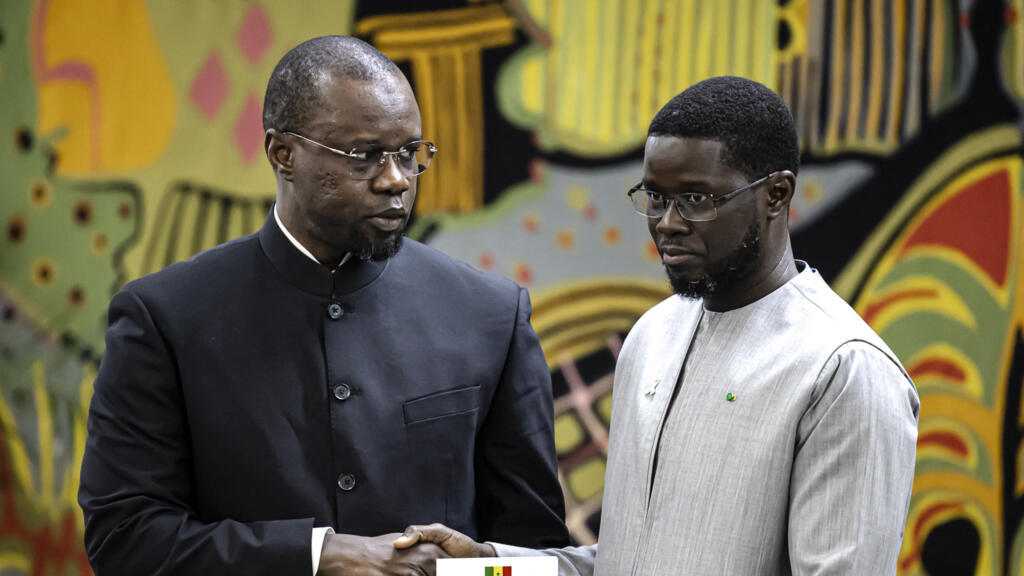
Panelists:
- Abdoulaye Tine, Minister-Counselor and Spokesperson for the Presidency of the Republic
- Amadou Ba, Former Minister of Culture, Member of Parliament, and National Secretary in charge of Communication for Pastef
- Babacar Ndiaye, Political Analyst and Research Director at the Wathi think tank
Understanding the political fracture
President Bassirou Diomaye Faye’s decision to remove Ousmane Sonko from the Prime Ministership marks a significant shift in Senegal’s governance landscape. Sonko, once the second-highest authority in the state, now presides over the National Assembly—a role that grants him substantial influence within the legislative branch. His continued leadership of the Pastef party, which holds a majority in Parliament, underscores his enduring political weight despite his exclusion from the executive branch.
This separation between the President and the Assembly leader raises critical questions: Can a functional cohabitation endure in this context? What are the underlying causes of this rupture, and what implications might it hold for Senegal’s political stability and future governance?
Potential consequences for Senegalese priorities
The political tensions unfolding in Dakar risk diverting attention from the urgent needs of Senegalese citizens. With economic challenges, social demands, and development imperatives demanding immediate action, the distraction of internal political strife could prove costly. Will the government and opposition find common ground to address these priorities, or will the nation’s progress be stymied by prolonged discord?
Looking ahead: what’s next for Senegal?
As Senegal navigates this period of political transition, all eyes are on how the President, the National Assembly, and the Pastef party will manage their evolving relationship. The coming weeks and months will reveal whether this cohabitation can foster collaboration or if further divisions will emerge. For the Senegalese people, the stakes could not be higher.
Comments are closed, but trackbacks and pingbacks are open.