The Council of Ministers in Burkina Faso convened on June 4, 2026, under the leadership of Captain Ibrahim Traoré, Head of State, to endorse a landmark decree redefining urban recognition and classification across the country.
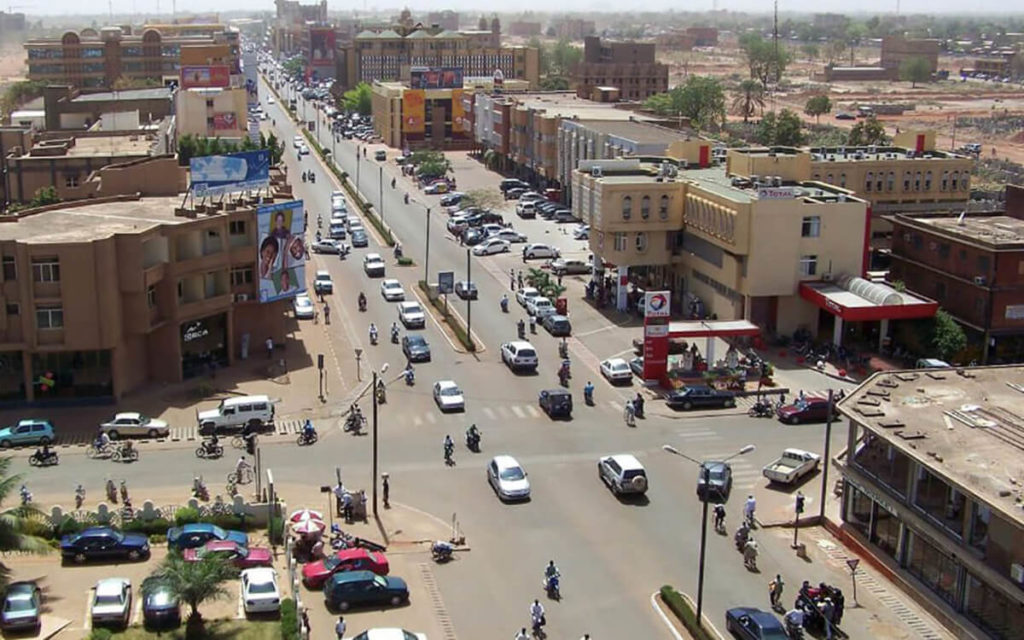
This legislative adjustment arrives amid rapid urbanization, sweeping territorial shifts, and pressing challenges in security, demographics, and socio-economic dynamics that are reshaping Burkina Faso’s urban landscapes.
A fresh framework for defining urban areas
Under the new decree, a locality qualifies as a city if it meets the following criteria within a fully operational municipality:
- a continuously built-up settlement;
- a population of at least 15,000 residents;
- access to a functional potable water supply network;
- reliable electricity infrastructure;
- a developed transportation system;
- and a dominant presence of secondary and tertiary economic activities.
Additionally, the decree designates all provincial capitals and all fully operational municipal headquarters as cities, irrespective of population size.
Three-tiered urban classification system
The reform introduces a three-category urban classification system:
- Metropolitan cities – major hubs driving national development;
- Medium-sized cities – growing centers supporting regional economies;
- Small cities – emerging urban nodes fostering local integration.
This structured approach aims to tailor public policies in urban planning, infrastructure management, and territorial governance to the unique needs of each urban category.
A modern tool for sustainable urban governance
Government officials emphasize that this decree updates an outdated urban definition last revised in 2008 under the National Housing and Urban Development Policy. The new framework provides both the state and local authorities with a contemporary reference model for strategic urban planning, infrastructure development, and territorial administration.